AI Images or Real Photos?
Which One Sells More in E-Commerce?
Comprehensive analysis based on 15+ academic research and 20 years of field experience and what it means in practice.
LUX Photo Video Production | March 2026
Do AI-generated product images sell less than real photos in e-commerce? More than 15 academic research and industry reports published between 2024 and 2025 have a common answer: It is not the quality of the AI image that matters, but its source. When a consumer feels or learns that an image is AI-produced, emotional trust falls, the perception of authenticity is weakened and purchase intention decreases. This effect is particularly strong in hedonic categories such as fashion, cosmetics, luxury, hospitality and beauty.
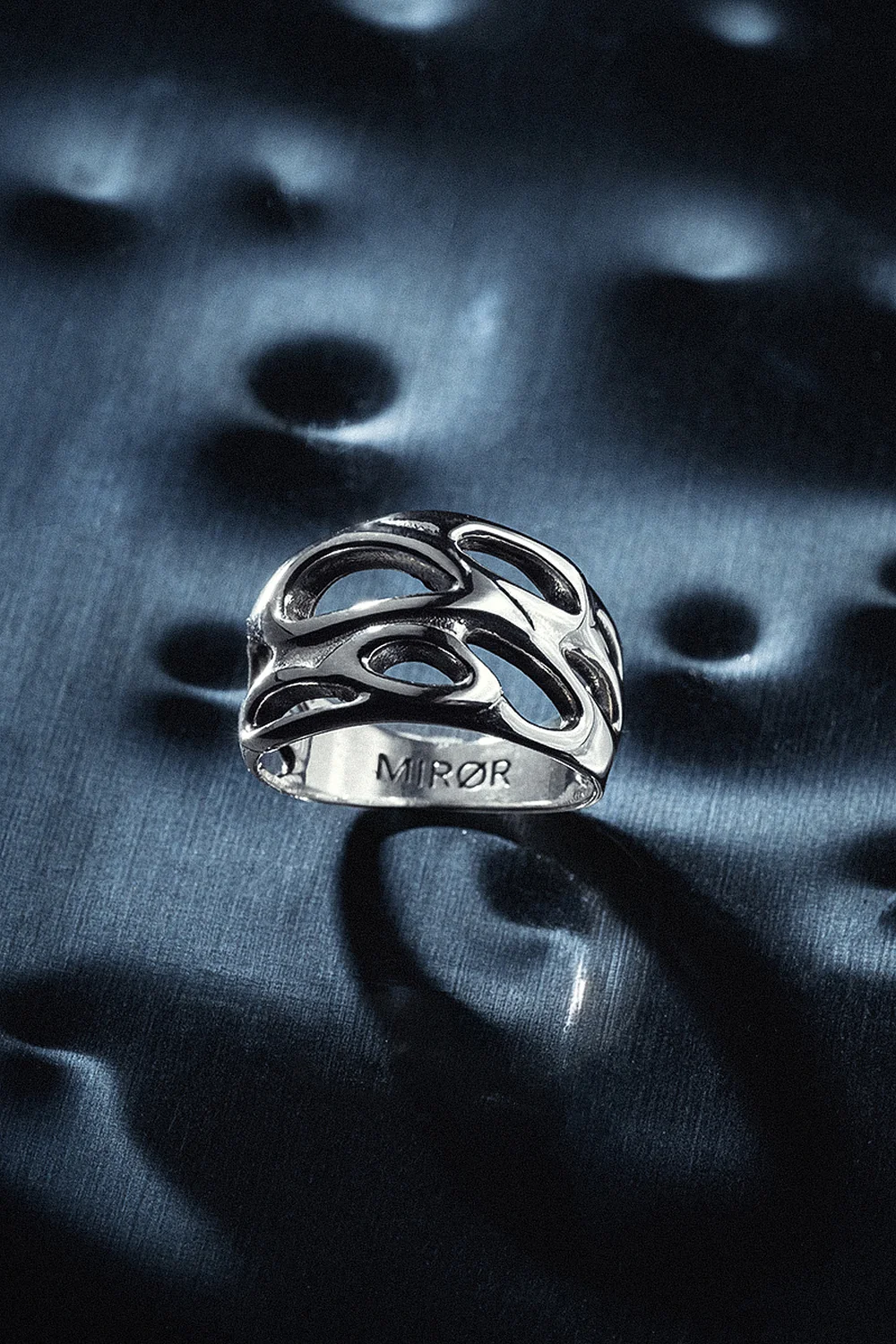
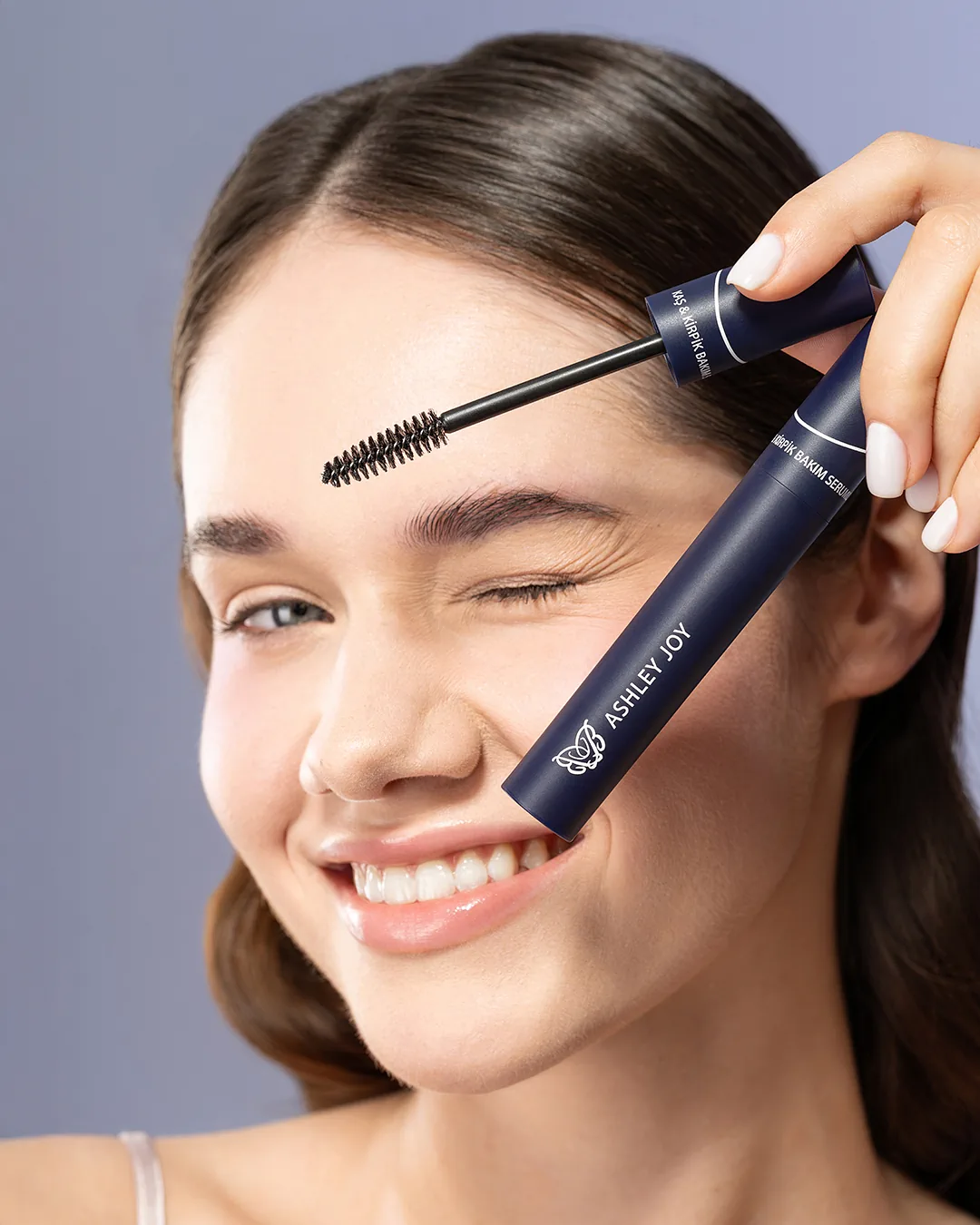
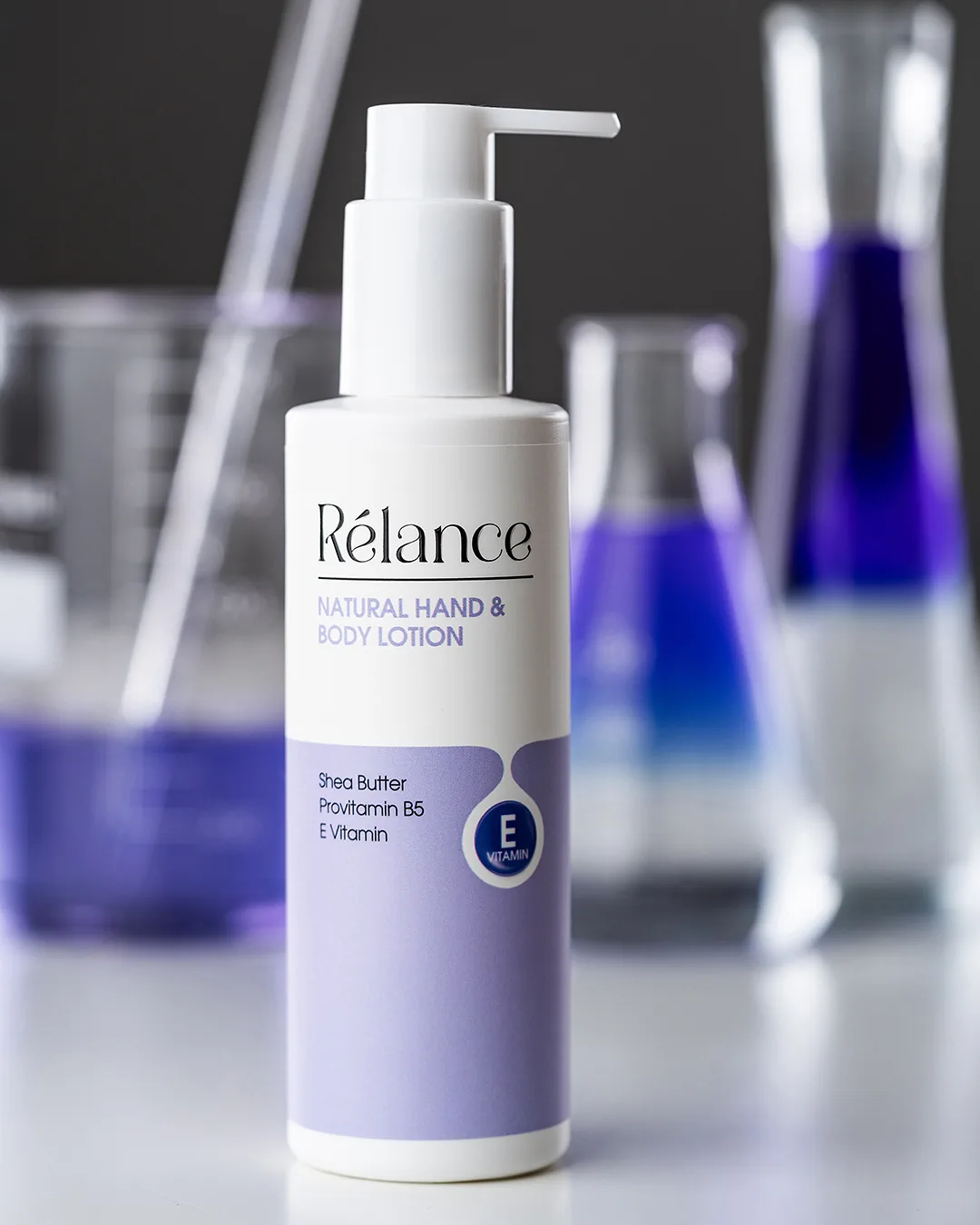
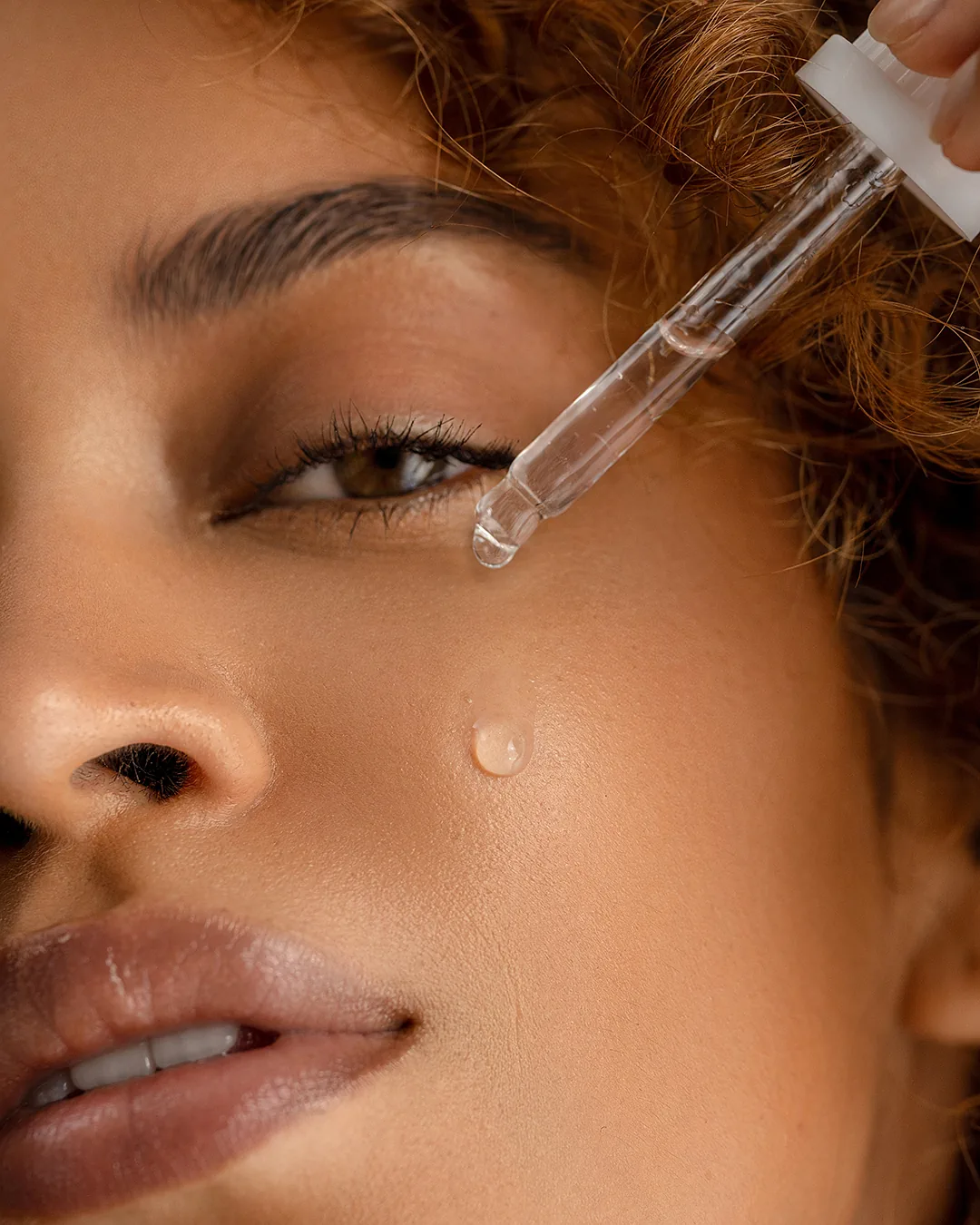
We are LUX Photo Video Production since 2005, in our studios in Istanbul and Berlin. e-commerce, fashion, cosmetics, jewelry and industrial product photography From set design to lighting schemes, from model management to post-production, we manage the entire process with our in-house team of experts. 20 years of experience has taught us the following: It is not the beauty of the image that fills the customer's basket, but its believability.
In the 2025-2026 period, we also realized AI-powered visual production projects for dozens of our customers. We actively use AI from background variations to campaign visuals, from concept trials to rapid drug production. We do not run away from technology; we position it in the right place in the right way. But our twenty years of field experience and current scientific literature say the same thing: a photo taken with real props, real people, real lights is a more powerful sales tool than over-polished AI-generated images.
Let's explain this with data, not assertions.
What Does Science Say? Common Findings of Current Research
Below we summarize the key findings of the most recent and most cited academic studies on the topic. The source of each finding is indicated.
“Even the Word ”AI" Drives Sales Down
Washington State University's empirical research with more than 1,000 US adults in 2025 found that including the phrase ’artificial intelligence’ in product descriptions consistently reduced purchase intent across eight different categories. Researcher Mesut Cicek's finding is clear: AI phrase emotional trust and this directly leads to lower purchase intentions. The impact is much more pronounced in high-risk categories such as expensive electronics, financial services and medical devices.
Not the Quality of the Image, but the “Knowledge that it is AI” is Decisive
A three-stage study published in Administrative Sciences revealed a striking result: There is no statistically significant difference between AI and man-made images when the source of the image is not disclosed. However, when it is revealed that it is AI, the trust score drops from 4.94 to 4.04 and the purchase intention from 4.93 to 4.02 (Zhang & Hur, 2025).
AI is Riskier in Hedonic Products
Belanche et al. International Journal of Information Management's mixed-method research showed that the negative impact of AI images is much stronger for hedonic (pleasure-oriented) services than for utilitarian services. The qualitative findings are critical: consumers are more likely to choose companies that use AI visuals than those that do not. impersonal, less professional and potentially misleading (Belanche et al, 2025). AI visuals were also found to make it difficult for the consumer to “imagine what the real experience would be like”.
In terms of e-commerce, this means that the AI image risk is high in categories that sell through emotional connection, such as fashion, cosmetics, jewelry, beauty, hospitality, food. In utilitarian products such as screws, cables, storage boxes, the tolerance is much wider.
AI in Luxury Can Backfire
“The study, ”When AI Doesn't Sell Prada“, finds that consumers react significantly more negatively when the use of AI visuals in luxury brand advertising is described (To et al, 2025). The problem is not just ”reality"; the problem is “the story of ”how value is produced". Consumers associate high value with high labor in luxury goods. AI is breaking this perception of labor.
Consumer Acceptance Declines, Not Increases
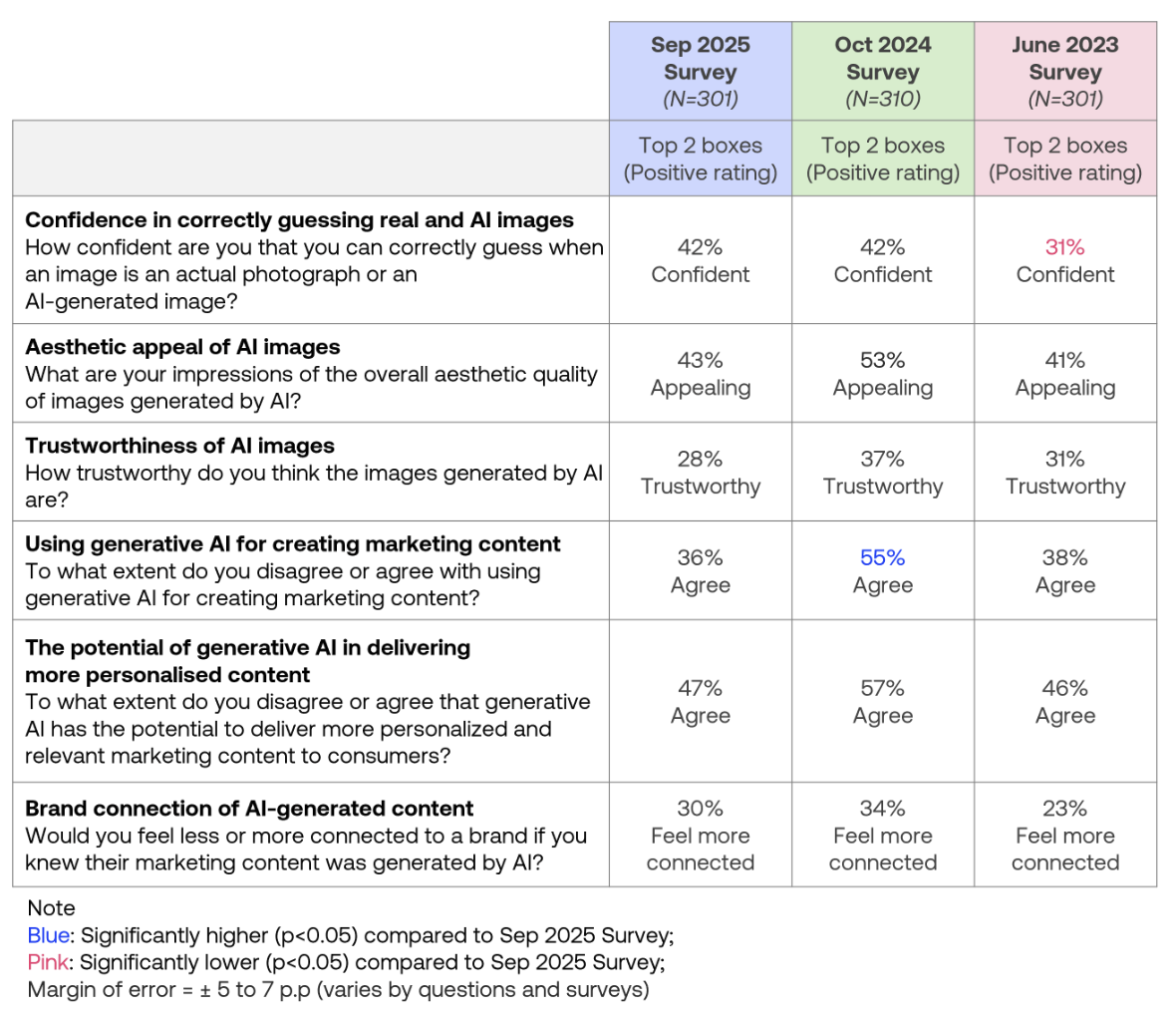
Conjointly's longitudinal research, conducted in three waves between 2023 and 2025, shows that as technology advances, consumer acceptance does not increase, but rather decreases. Aesthetic appeal scores for AI content %53’ten %43’e declined; approval for the use of AI in marketing content %55’ten %36’ya (Lee, 2025). This is data that refutes the industry assumption that “they get used to it over time”.
Same Image, Different Label = Different Perception
The Nuremberg Institute for Market Decisions (NIM) presented the same advertising image as a “photo” to one group and as an “AI-generated image” to another. The result: The AI-labeled version was found to be less emotional, less believable, less memorable, and intention to click dropped (Buder & Unfried, 2025). The label generated more suspicion than transparency.
Statista's global survey of 17 markets found that consumers %67’si brands should disclose when they use AI-generated product images (Navarro, 2025). Combined with the EU AI Law's mandatory labeling rules that will come into effect in 2026, this data is a serious warning for brands.
Add Your Heading Text HereWhy is it like this? The Psychology of Reaction to AI Images
“It's easy to say ”consumers don't trust AI visuals". But what about Why? trust? There are six deep psychological mechanisms that feed each other.
1. Uncanny Valley Effect
This phenomenon, described by Masahiro Mori for robots in 1970 (Mori, 1970/2012), fits perfectly with AI visuals. The human brain has become incredibly sensitive to face and body reading over the course of evolution. When something looks ’almost real but not quite“, it sends a subconscious danger signal.
In MIT's 2025 thesis study, images produced with Stable Diffusion XL completely realistic or clearly stylized while causing less anxiety, “intermediate realism” level visuals, those that fall into the uncanny valley have caused significant discomfort (Kishnani, 2025). The warning for e-commerce is that AI images that “aim for a photorealistic look but don't quite hit the mark” are in the most dangerous category.
Science confirms what we in the studio have been observing for years: the refraction of real light on glass, the asymmetry in the texture of skin, the pull of fabric on the floor - all these things relax the brain. Because they obey the laws of physics. AI sometimes breaks these rules and the brain feels the difference, even if it can't consciously express it.
2. Emotional Trust and Human Labor Transfer
Two types of trust are at the heart of the purchase decision. Cognitive Confidence (Is this product technically good?) and Emotional Trust (Can I instinctively trust this brand?). WSU's finding suggests that the AI statement particularly emphasizes emotional trust (Cicek, 2025).
The reason is a deep cognitive mechanism. When the human brain looks at a photograph, it unconsciously thinks “someone sat in front of this product, adjusted the lighting, found the best angle and took it”. This gives the product transfer of human labor and labor is one of the most powerful triggers of the perception of value. In an AI image, this transfer is broken. The brain codes “there is no will behind this visual”. Responsibility cannot be built where there is no will, and trust cannot be built where there is no responsibility.
3. Evidential Value: Photography is Evidence, Not Just Aesthetic
An e-commerce visual for a product you can't get your hands on in a physical store; carrying the drape of the fabric, surface quality, effect on the skin, scale, shine is the main evidence. When the consumer senses that the image may be synthetic, its evidentiary value is reduced. The question is not “is it pretty?” but “can I trust it as evidence?”.
The chain laid out by Bui et al. (2024) makes this clear: the higher the perceived authenticity, the higher the trust; the higher the trust, the higher the purchase intention. When AI visuals break this chain, sales also suffer.
4. Persuasion Information: “This is Optimized to Persuade Me” Alarm
According to Friestad and Wright's Persuasion Knowledge Model, when a consumer recognizes the persuasion strategy behind a sales message, they go into defense mode. This defense mechanism is triggered when the AI image is read as “a brand that avoids even taking real photos for cost-cutting purposes”.
Zhang's finding proves this directly: the use of AI presented as “cost efficiency” dramatically lowers trust and purchase intent (Zhang & Hur, 2025). The consumer subconsciously asks: “If he cut it in the image, did he cut it in the product?”
5. Lack of Touch and Return Reality
E-commerce is inherently built on a lack of touch. The customer cannot touch the product; the pixels on the screen are the only proxy for physical reality. In real photography, the actual light response of the material (leather, metal, glass) is recorded. This evokes the sensation of touch in the brain. The smoothed, statistically estimated texture in the AI image raises suspicion.A more important fact from an operational perspective: Even if AI-manipulated images close the sale on the product page, they can increase return rates due to “cognitive dissonance” after shipping. In e-commerce, high returns are far more disruptive than low sales.6. Ethical Response: Moral Boycott Reflex
Consumer backlash is not limited to advertising effectiveness. Concern that AI will replace creative professionals in photography, design, music and writing is generating value-based rejection, particularly among the conscious consumer segment. In the 2025 Vogue Business report, consumer backlash against AI-generated model images was linked to concerns about job loss and creative integrity.
The LUX Approach: A Production Team Positioning AI Right, Not Rejecting It
We share this data not because we are against AI. In 2025-2026, we realized AI-powered visual and video production projects for dozens of our customers. Background variations, campaign visuals, concept trials, rapid SKU replication... We use the operational power of AI every day.
But our 20 years of field experience and current literature tell us this: AI is powerful when it is the auxiliary scene setter; risky when it tries to be the evidence itself. The hero image always has to be a photograph through optical glass, illuminated with real photons.
LUX's Double Layer Solution Model
🎯 Real Production Shooting: From set design to lighting engineering, from model management to color calibration, the entire process is managed by our in-house team of experts. Real sets, real people, real lights. 20 years of experience in thousands of projects in e-commerce, fashion, cosmetics, jewelry and industrial sectors. Check out all our shooting services →
🤖 AI Assisted Visual Production: We create photo and video visuals with AI according to our clients' requests. Campaign acceleration, background diversification, concept visuals, variation production for bulk SKU. We position AI as a tool that supports the optical reality of the product without distorting it.
⚖️ Conclusion: We design the most effective blended strategy based on our client's budget, product category and target audience. We don't commit to one technology and reject another; we follow where data and experience lead.
What to Use in Which Category?
| Category Risk | Examples | Proposed Strategy |
|---|---|---|
| High Risk | Luxury fashion, cosmetics, jewelry, hospitality, beauty | Real photography is mandatory. AI only in supporting role. |
| Medium Risk | Furniture, home decoration, food, general fashion | Hero visual must be real; AI background and variation can be used. |
| Low Risk | Office supplies, industrial parts, technological accessories | AI can be used widely, but hero retains the advantage of real footage in the image. |
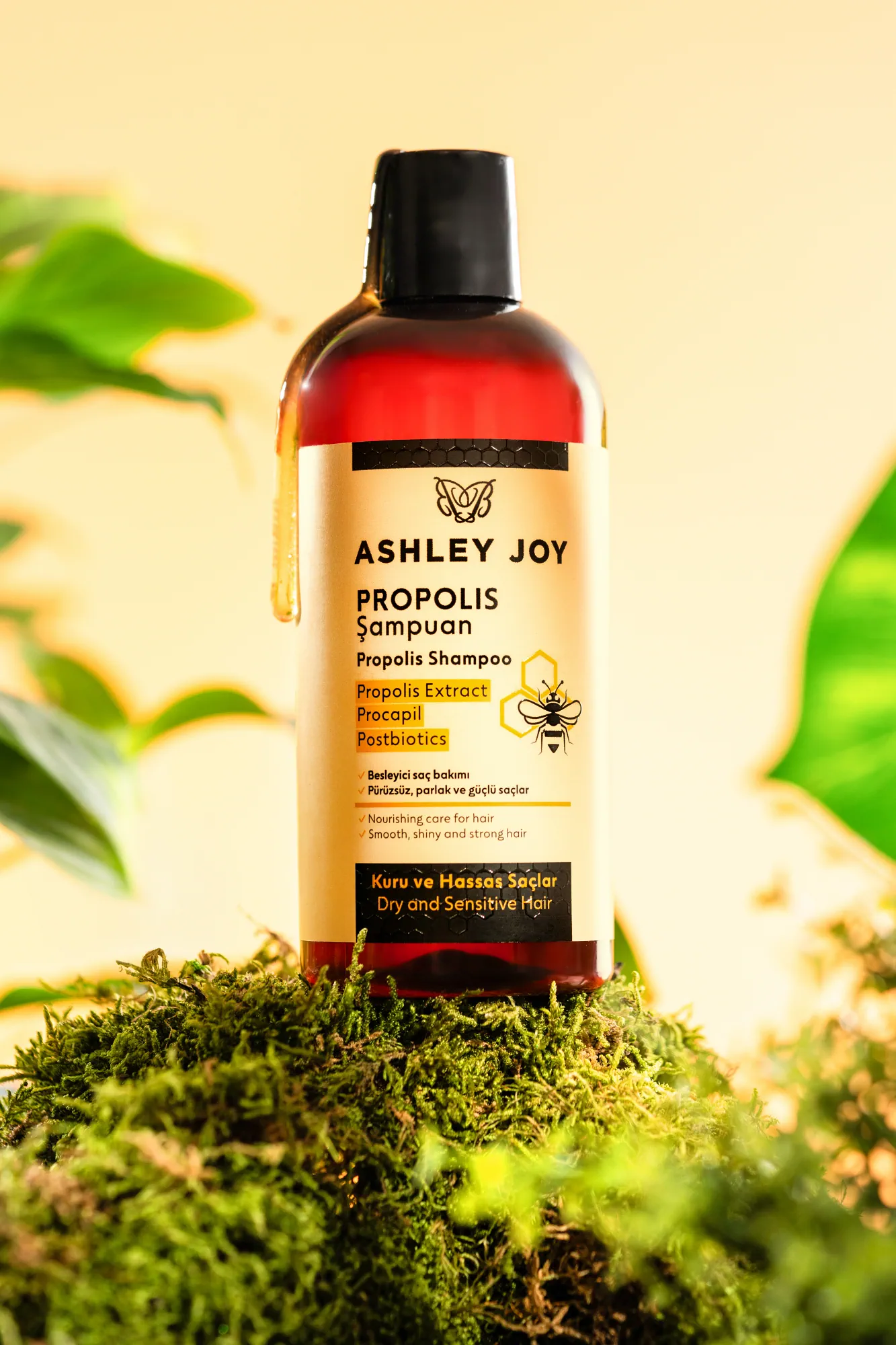
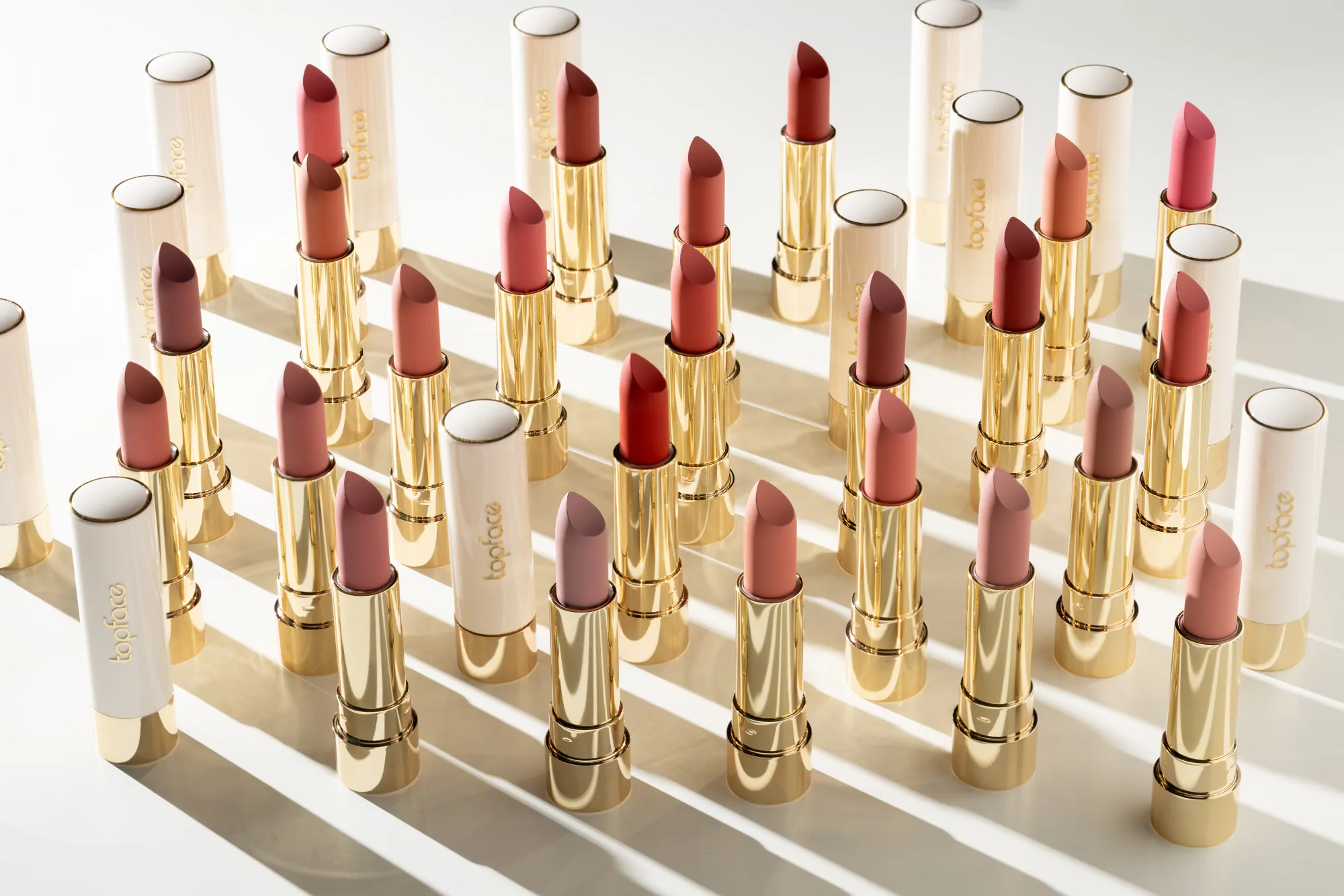
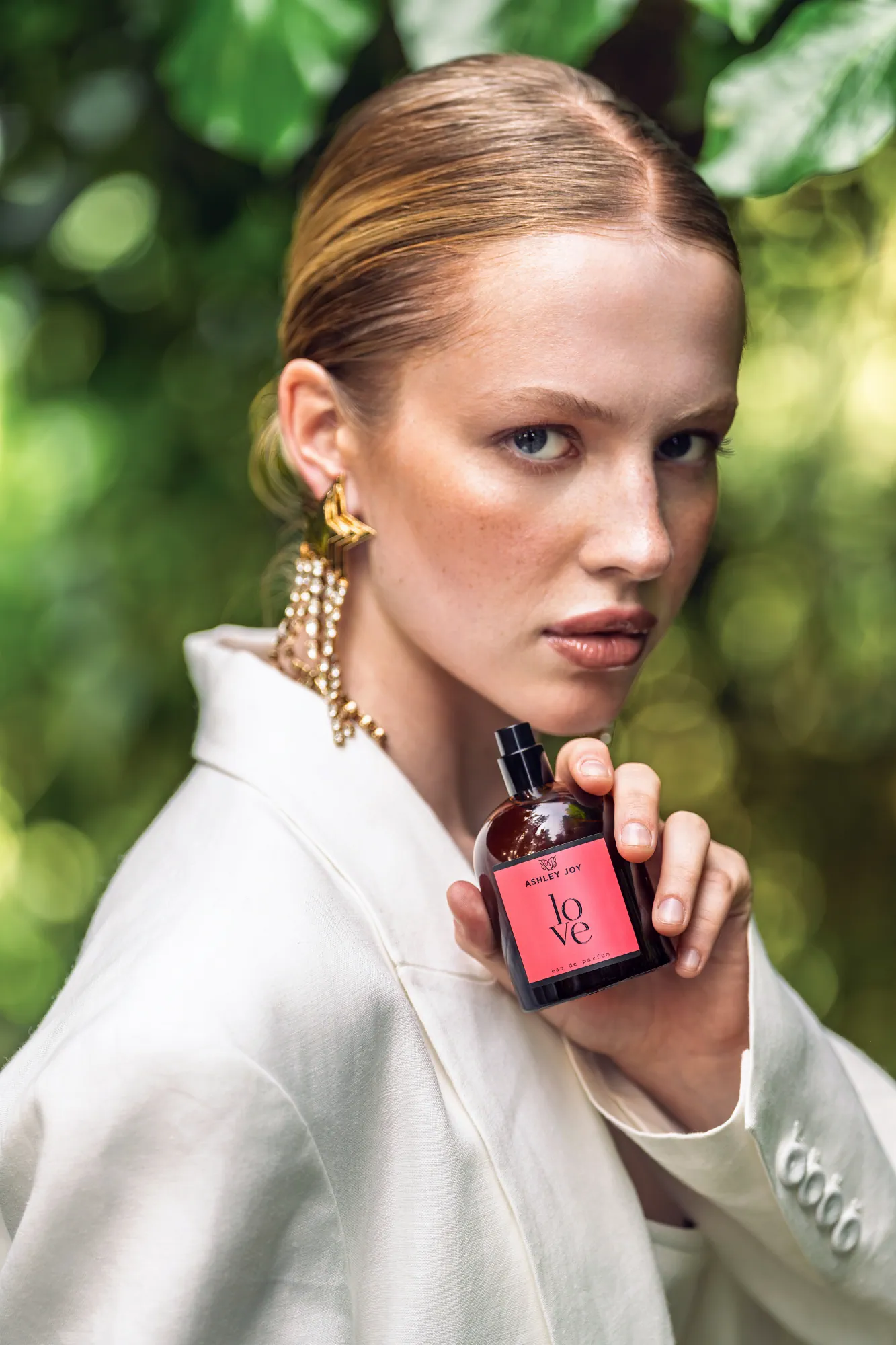
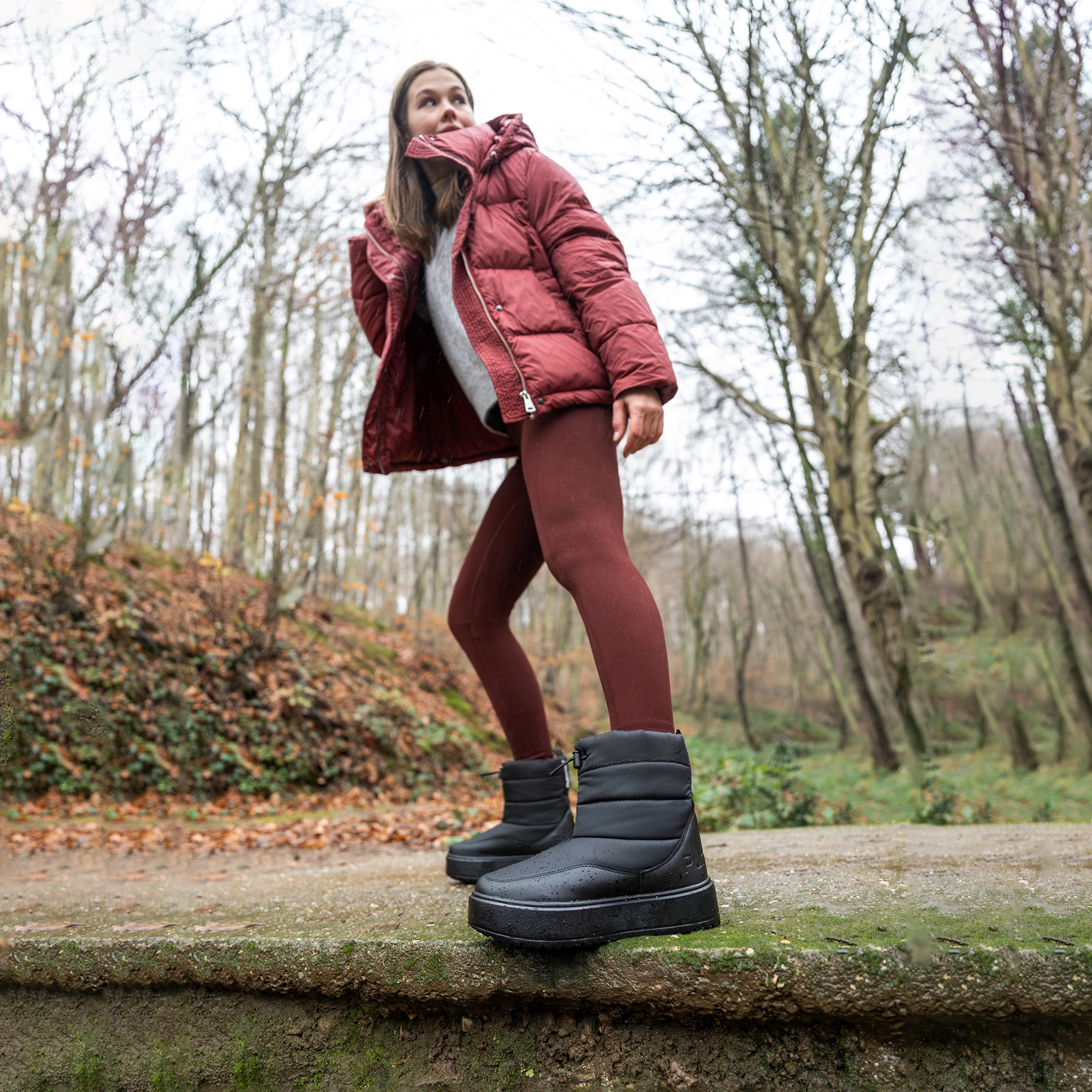
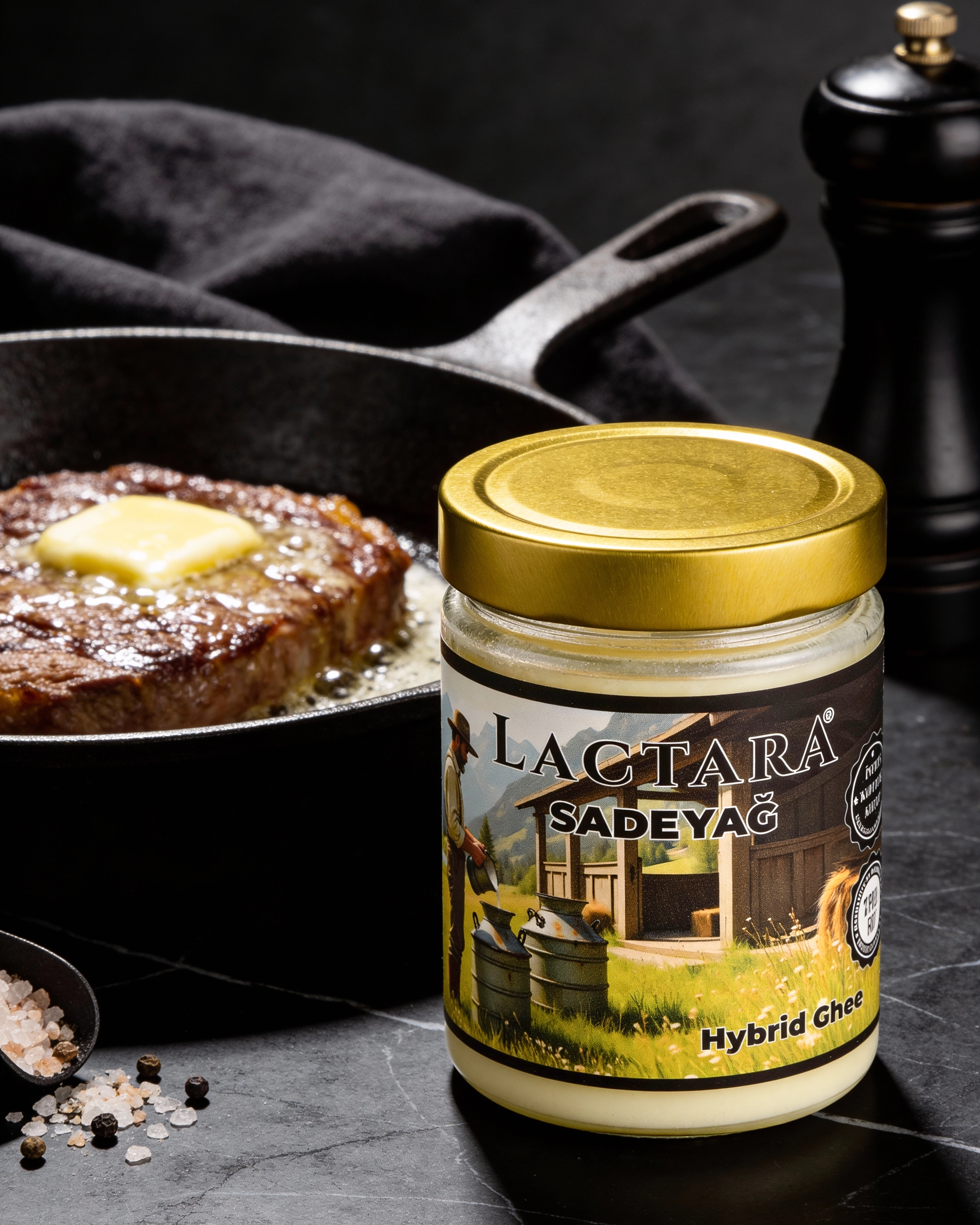
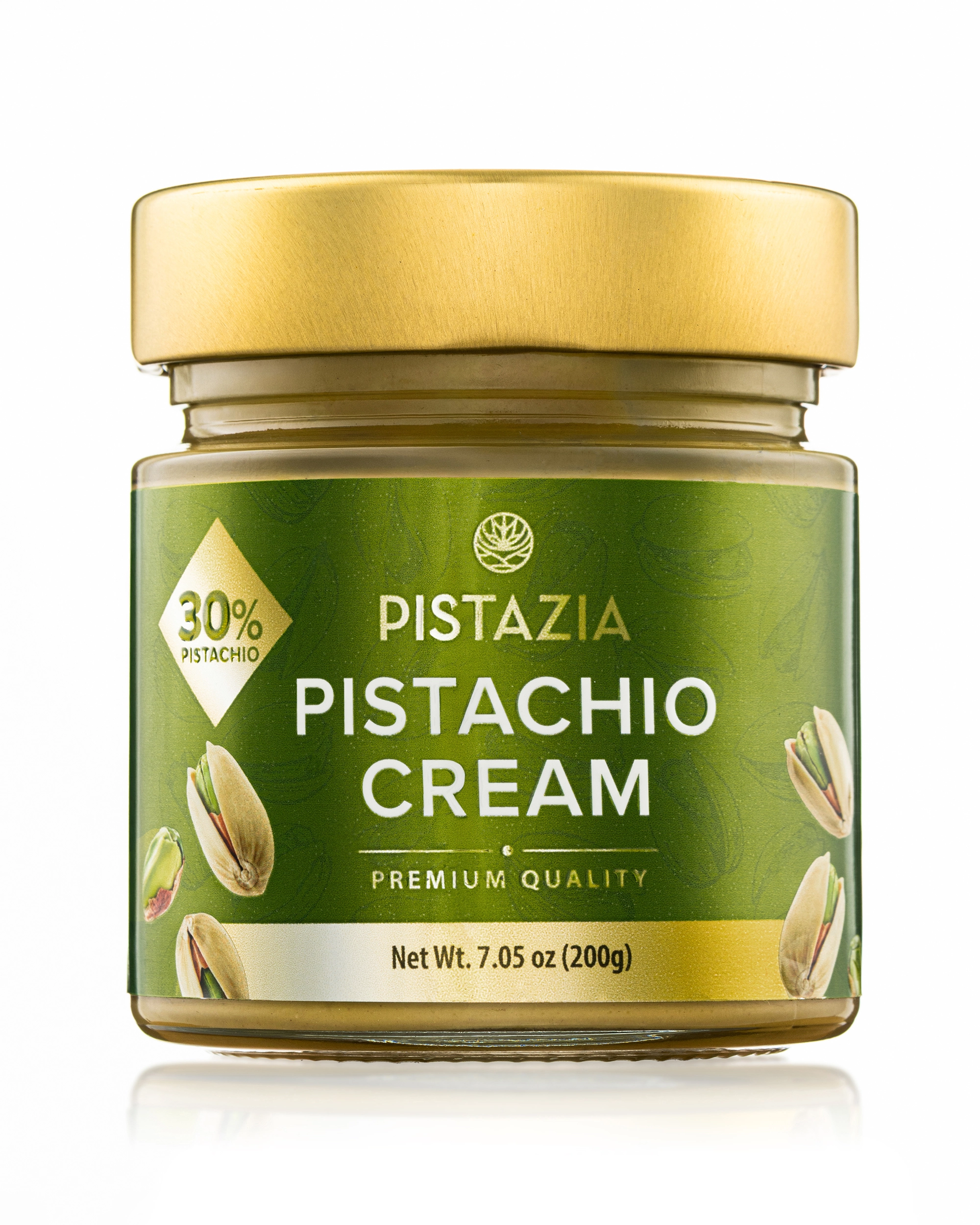
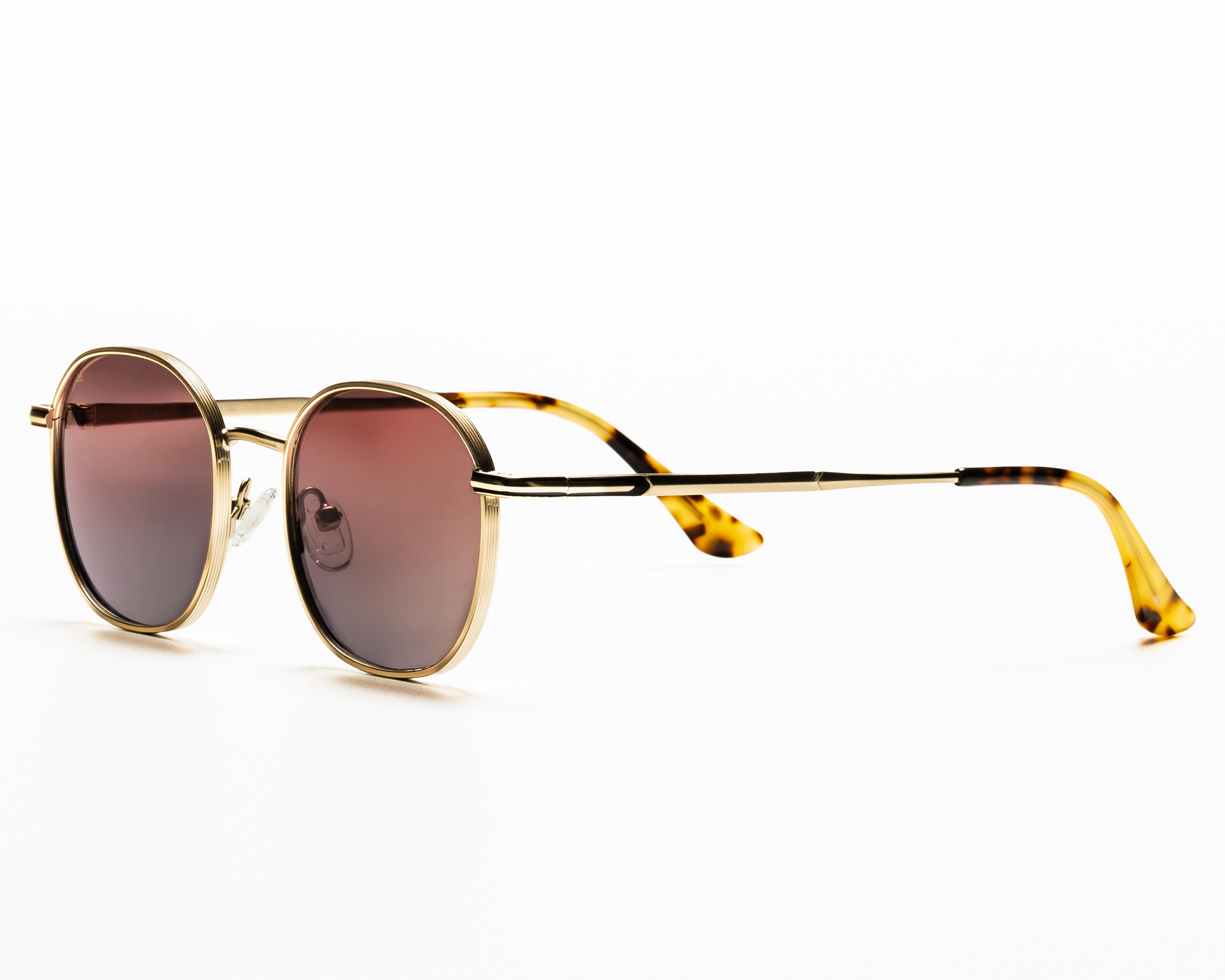
THE PHOTO WE TOOK IN THE STUDIO
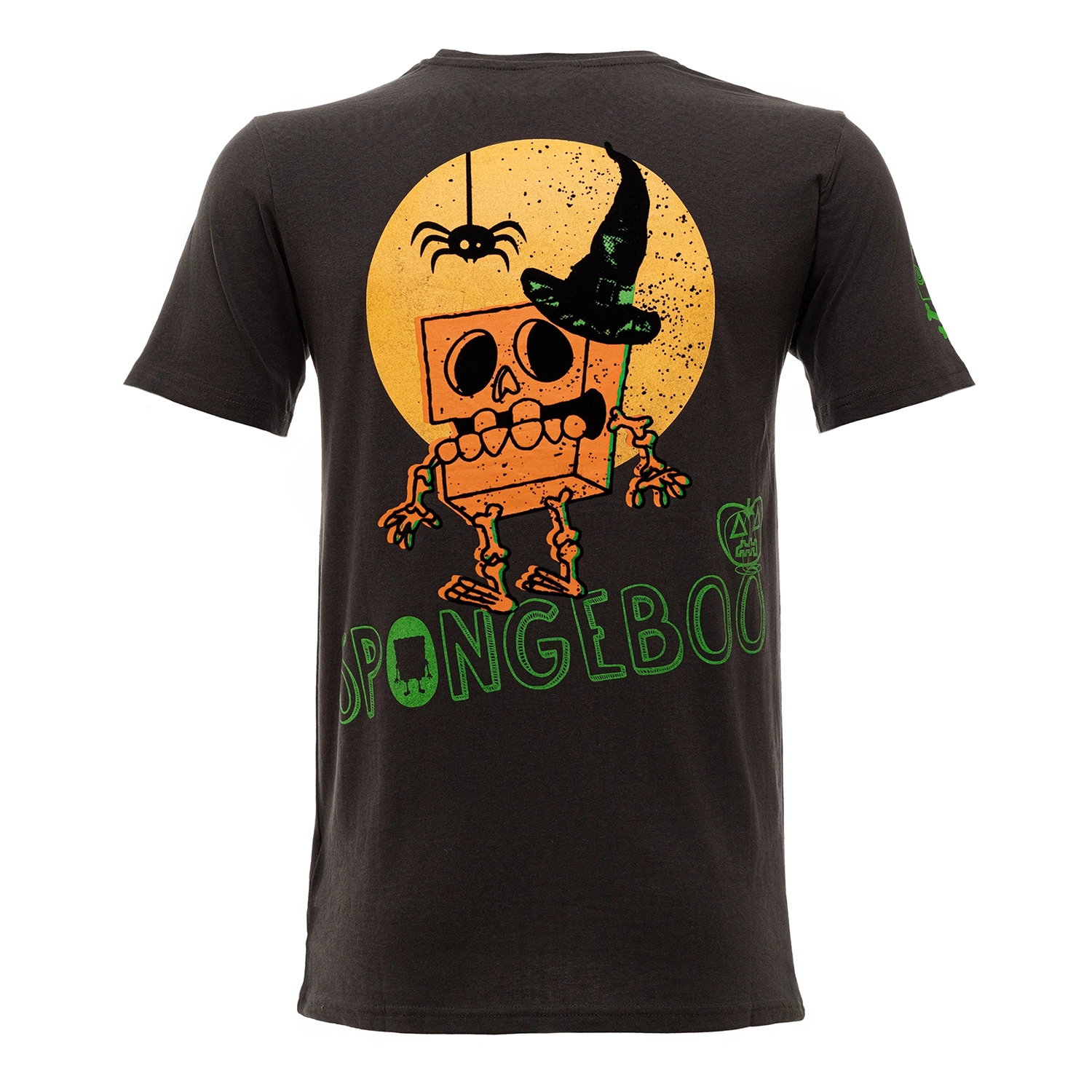
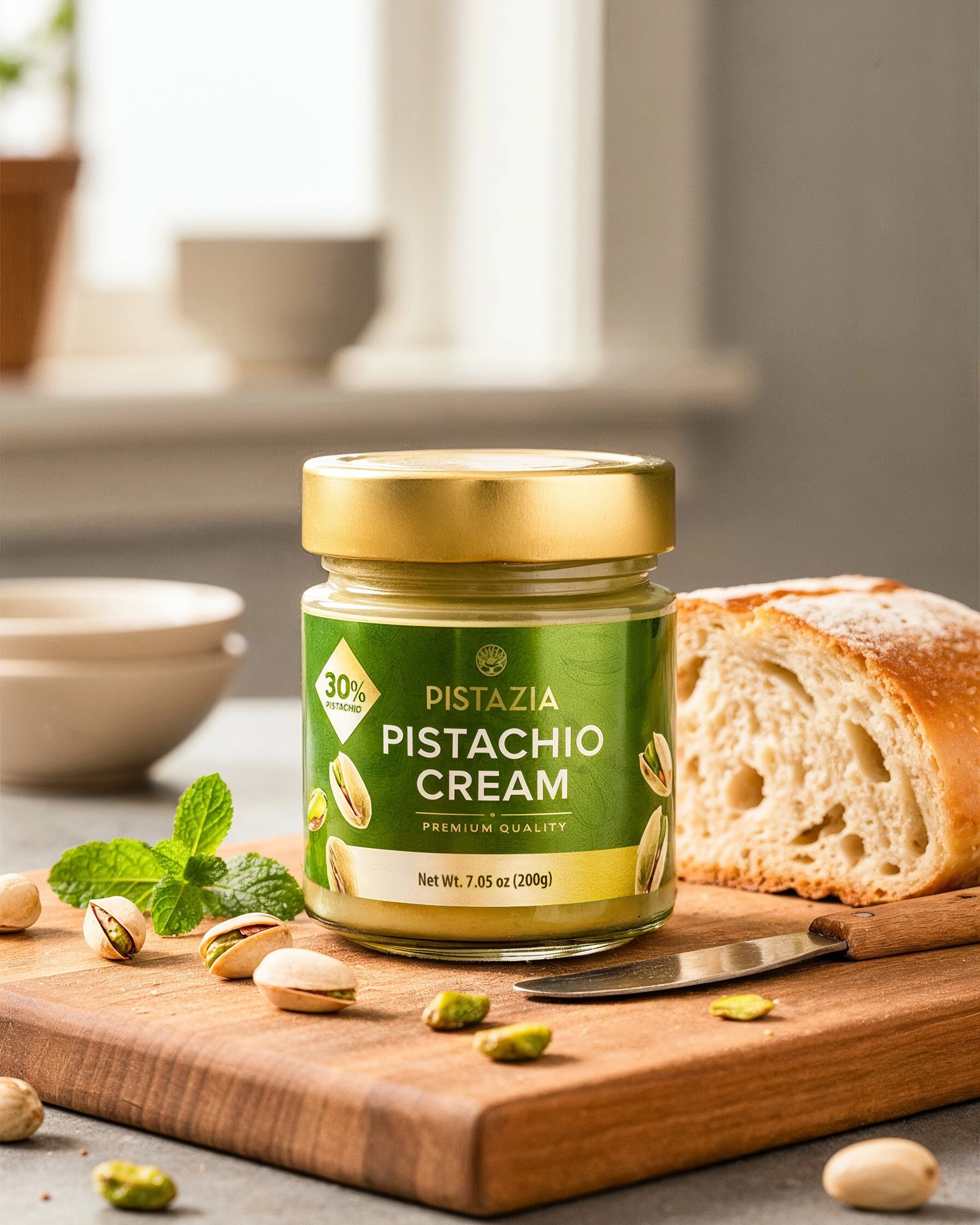
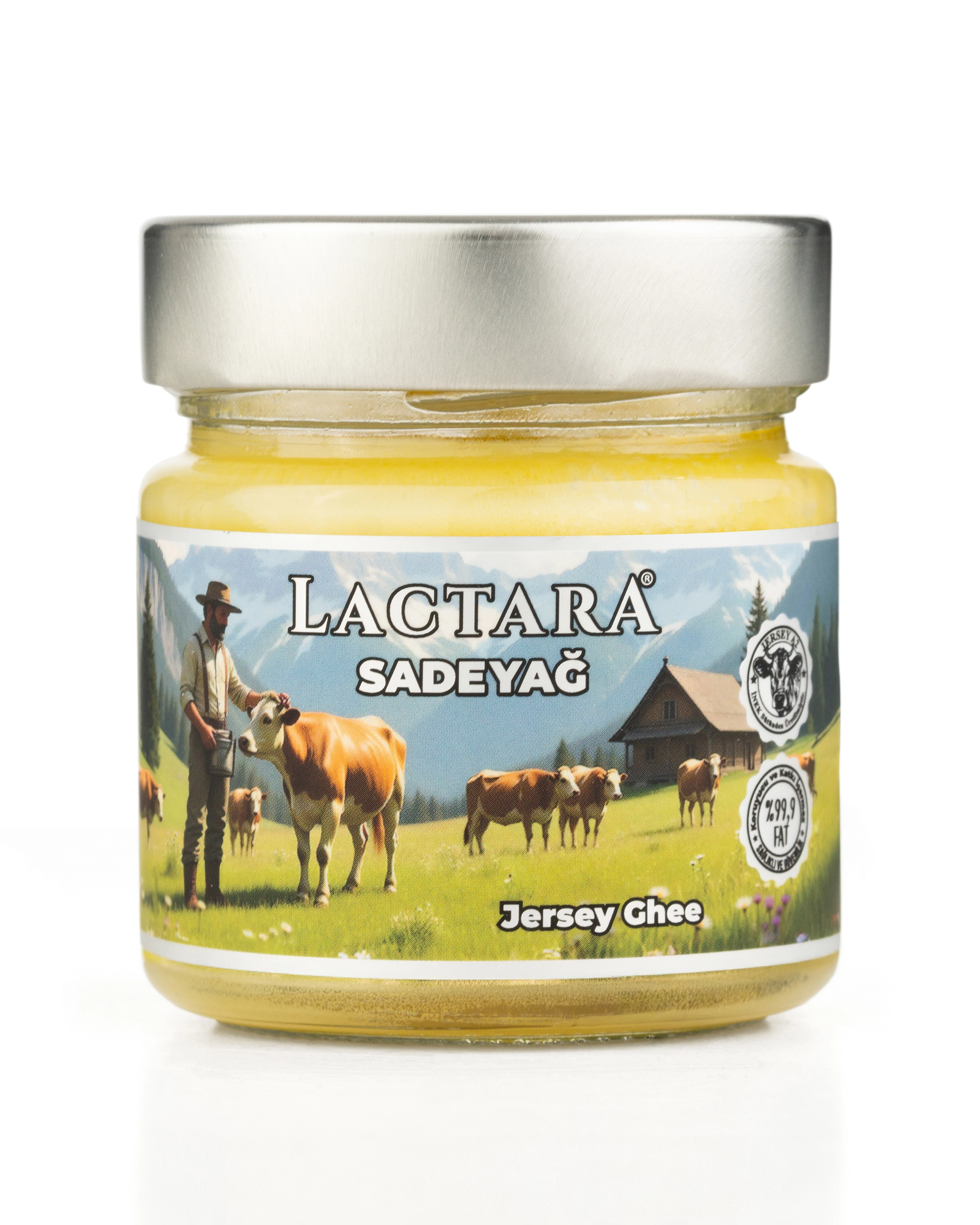
PHOTO ORGANIZED WITH AI








Frequently Asked Questions
Conclusion
In e-commerce, the visual is the body of the product in the digital world. It is more important that that body is believable than beautiful. AI can add speed and flexibility to that body - but when it makes it completely synthetic, the consumer instinctively pulls back.
As LUX Photography Video Production, we know both worlds. While using the power of artificial intelligence, we know the value of real production and the visual created with the human eye and its contribution to the product/brand.
Let's determine the right visual strategy for your products together.
LUX Photo Video Production | Istanbul & Berlin
Bibliography (10 Academic Studies and Reports)
- Belanche, D., Ibáñez-Sánchez, S., Jordán, P., & Matas, S. (2025). Customer reactions to generative AI vs. real images in high-involvement and hedonic services. International Journal of Information Management, 85, 102954. https://doi.org/10.1016/j.ijinfomgt.2025.102954
- Buder, F., & Unfried, M. (2025). Transparency without trust: The impact of consumer skepticism of ai-generated marketing content. NIM INSIGHTS, 7, 36-41.
- Bui, H. T., Filimonau, V., & Sezerel, H. (2024). Ai-thenticity: Exploring the effect of perceived authenticity of AI-generated visual content on tourist patronage intentions. Journal of Destination Marketing & Management, 34, 100956. https://doi.org/10.1016/j.jdmm.2024.100956
- Cicek, M., Gursoy, D., & Lu, L. (2025). Adverse impacts of revealing the presence of “Artificial Intelligence (AI)” technology in product and service descriptions on purchase intentions: the mediating role of emotional trust and the moderating role of perceived risk. Journal of Hospitality Marketing & Management, 34(1), 1-23. https://doi.org/10.1080/19368623.2024.2368040
- Kishnani, D. (2025). The Uncanny Valley: An Empirical Study on Human Perceptions of AI-Generated Text and Images (thesis).
- Lee, C. H. (2025, September 25). Can people still tell real photos from AI images in 2025?. Conjointly. https://conjointly.com/blog/real-vs-ai-images-2025/#age-related-differences-emerge-in-ai-tools-engagement
- Mori, M. (2012). The uncanny valley [from the field]. (K. MacDorman & N. Kageki, Trans.).IEEE Robotics & Automation Magazine, 19(2), 98-100. https://doi.org/10.1109/mra.2012.2192811 (Original work published 1970)
- Navarro, J. G. (2025, November 28). Instances when brands should disclose AI usage according to consumers worldwide 2024. Retrieved March 20, 2020,.
- To, R. N., Wu, Y. C., Kianian, P., & Zhang, Z. (2025). When AI Doesn't Sell Prada: Why Using AI-Generated Advertisements Backfires for Luxury Brands. Journal of Advertising Research, 65(2), 202-236. https://doi.org/10.1080/00218499.2025.2454120
- Zhang, L., & Hur, C. (2025). The Impact of Generative AI Images on Consumer Attitudes in Advertising. Administrative Sciences, 15(10), 395. https://doi.org/10.3390/admsci15100395