10,320 synthetic images and 254,400 human evaluations show that powerful models can outperform humans when it comes to general marketing images. But that study never asked: Is this image the same as the product that comes in the package?

You can’t answer this question with aesthetics in 2026. The answer lies in the return log, court rulings, marketplace metadata requirements, and the customer’s facial expression the moment they open the box. Below, peer-reviewed research, consumer surveys, enacted laws, and two decades of production practice are all brought to the table below.

There is no single winner in this debate. The right choice depends on what purpose that image serves for you.
10,320 synthetic images and 254,400 human evaluations show that powerful models can outperform humans when it comes to general marketing images. But that study never asked: Is this image the same as the product that comes in the package?
According to the NRF, online sales in 2025 are projected to account for .3. However, there is currently no independent metric showing how many points AI-generated imagery contributed to this figure.
In the Harris Poll, of respondents said they were less likely to make a purchase from a brand that uses AI-powered ads. This measures ad perception; it does not measure product page conversions.
Turkey's regulation focuses on digital characters that are indistinguishable from humans. In the EU, however, the provider's machine-readable labeling and the seller's deepfake disclosure are two entirely different obligations.
How to Read This Page. Not all of the following findings carry the same weight, so we’ve labeled them all:
Peer-reviewed scientific journal · Pre-print has not yet been peer-reviewed · Industry data survey or institutional report · Official legislation or platform policy.
And here’s something we’ll say once and never repeat: none of the findings presented here guarantee what will happen in your category. A survey measures self-reported attitudes, a field experiment measures the behavior of a single platform, and a peer-reviewed study measures a controlled task. Only your own test will reveal what will happen with your specific SKU. Keep this in mind as you read; we won’t remind you of it in every paragraph.
The purpose of a product photo isn’t just to look good. Its purpose is to ensure that when the customer opens the box, they say, "Yes, that’s exactly it." This is precisely where the key to the 2026 AI debate lies: the question isn’t which image looks better, but which one can truly stand in for the product.
Product photography serves a different purpose than advertising imagery. Advertising imagery sells an emotion. Product photography, on the other hand, makes a claim: this fabric drapes like this, this ring takes up this much space on the finger, this lipstick gives this shade on this skin tone. In a market where customers cannot touch the product, the image is not merely a decorative surface, It serves as proof of the item to be purchased. When a claim is denied, the customer pays the cost of shipping, the return form, and the rating.
Academic studies and consumer research from 2024 to 2026 reveal a conditional yet consistent pattern. An AI-generated image may be technically flawless; however, the moment a consumer senses or learns that it is synthetic, emotional trust drops, the perception of authenticity weakens, and purchase intent declines. This effect is not equally severe across all categories—it is much more pronounced in fashion, cosmetics, jewelry, luxury goods, baby products, food, hospitality, and personal care, that is, in areas where the consumer will come into physical contact with the product.
LUX Photo Video Production Since 2005, in our studios in Istanbul and Berlin, we have been producing work for e-commerce, fashion, cosmetics, jewelry, industrial products, and campaigns. We ; we use it ourselves in concept development, background variations, demo production, campaign adaptation, and certain expansion projects. But when it comes to the main product image, the same question always comes up, and the answer hasn’t changed since 2005: Does this photo truly represent the product?
The data below was compiled from academic studies, institutional research, and industry surveys published during the 2025–2026 period. What each finding measures is indicated below the card; full citations are provided in the bibliography at the end of the page.
The persuasiveness of this table does not stem from a single study. Studies conducted in different countries, with different samples, and using different methods all point in the same direction. Gartner found that half of consumers prefer brands that do not use generative AI in their consumer-facing content. Cint shows that a large majority of consumers expect brands to explain their use of AI. In Klaviyo’s 2026 study, of participants said they were neutral toward brands using AI to generate marketing content, while said it reduced their trust. Both studies measure general consumer-facing content and advertising—not product page conversions.
What really stands out isn't the percentages, speed. Fractl'ın Search Engine Land ile iki yıl üst üste aynı soruyu sorduğu araştırmada, yoğun AI kullanımının markaya güveni azaltacağını söyleyenlerin oranı bir yılda neredeyse ikiye katlandı. Aynı araştırmada AI aramayı geleneksel aramadan daha yararlı bulanlar %82'den %54'e indi; "AI şüphecisi" segmenti %3'ten %17'ye çıktı. Aynı soruların iki yıllık karşılaştırması güven açısından net biçimde olumsuz bir eğim çiziyor. Yine de araştırmanın konusu AI arama ve genel içerik; ürün fotoğrafı değil.
Pew Research Center verisi tabloya bir de belirsizlik katmanı ekliyor. ABD yetişkinlerinin %76'sı bir görselin, videonun ya da metnin kaynağını ayırt edebilmeyi çok önemli buluyor; %53'ü bunu yapabileceğine güvenmiyor. Yani insanların çoğu bilmek istiyor ama bilemeyeceğini de biliyor. Bu bir medya okuryazarlığı bulgusu, e-ticaret dönüşüm testi değil — ürün sayfaları için makul bir risk sinyali olarak okunmalı. Moda odaklı Stylitics–Aha Studio anketinde ise sanal model kullanıldığını öğrenenlerin %37'si beden konusunda daha dikkatli olacağını, %37'si iade politikasını kontrol edeceğini, %30'u ürünü iade etmesi gerekebileceğini düşündüğünü söyledi.
The sentence in this article that gets skipped over the most is right here. DoubleVerify’s 2026 study shows that consumers do not reject AI technology outright. The dividing line is not in the technology itself, in terms of quality. Olumsuz tepkiyi tetikleyen şey görselin AI ile üretilmiş olması değil; ucuz, tekinsiz ve özensiz görünmesi. Aynı araştırmada EMEA'da tüketicilerin %42'si, düşük kaliteli AI içeriğiyle mentioned together He says he even has a negative view of the brand.
This finding challenges both sides—those who defend AI and those who reject it outright. What matters is not the tool used to produce the output, but the quality of the output and the honesty of the claim.



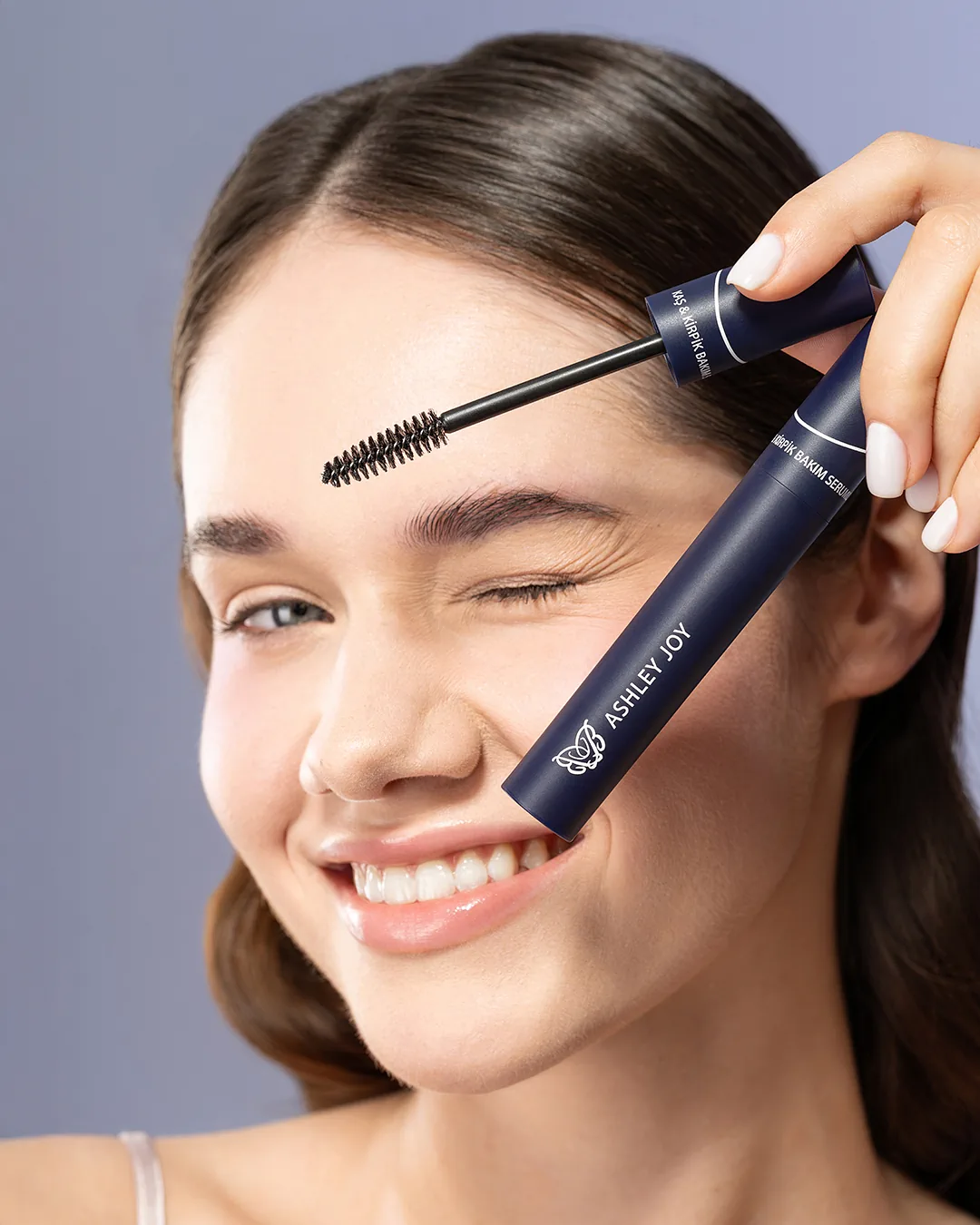
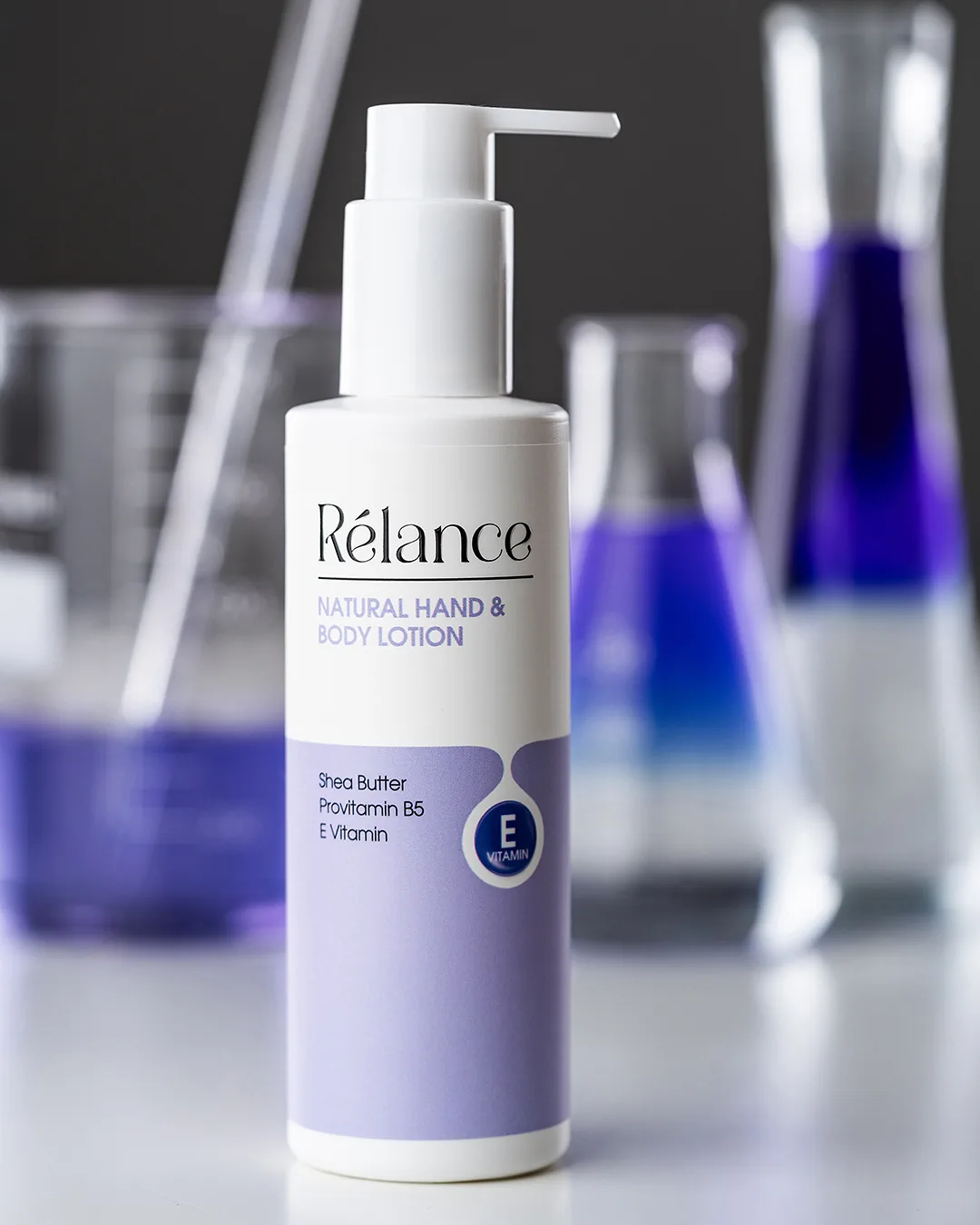
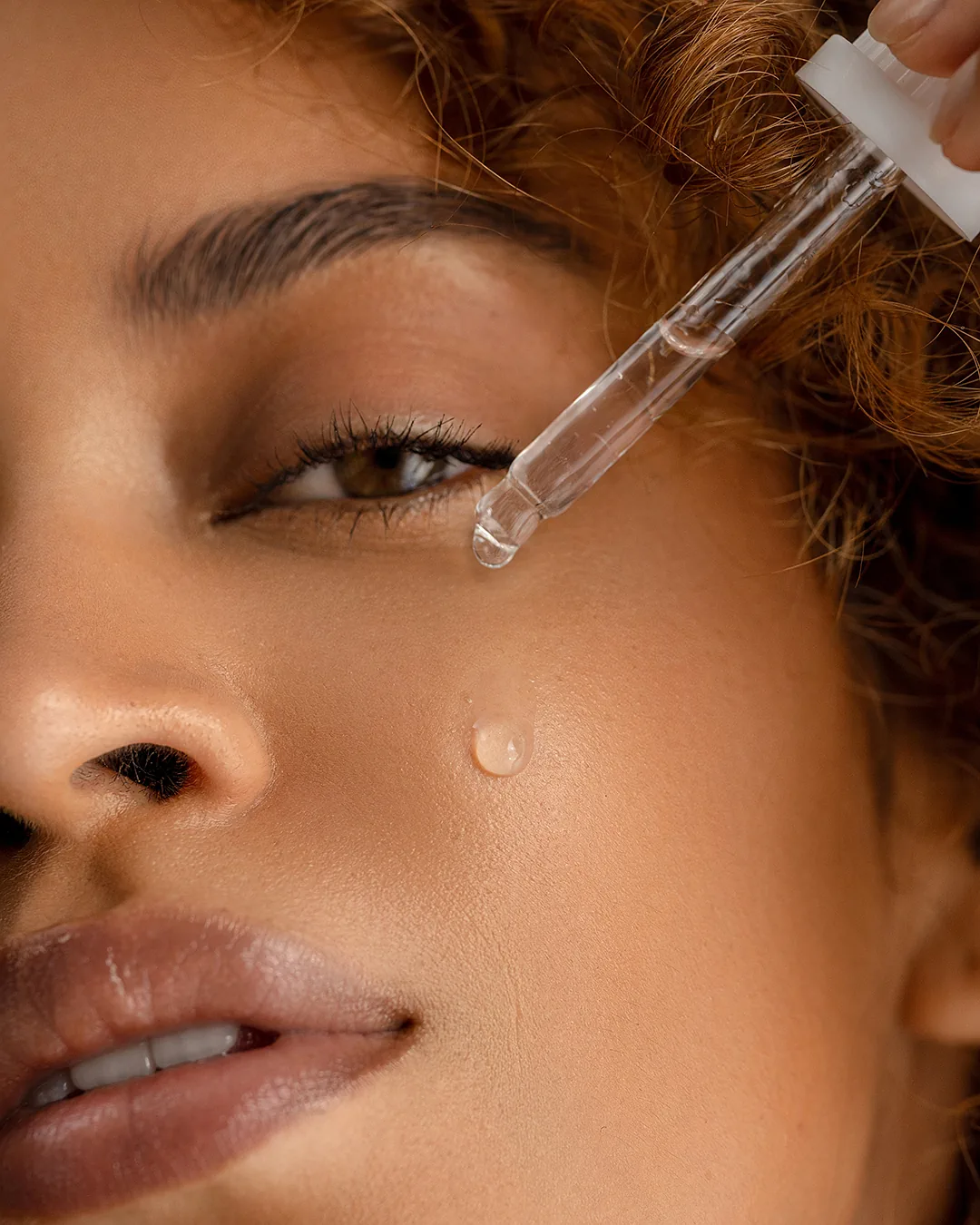
The timeline of the upheaval in Turkey’s e-commerce visual market is now clear. The timeline below traces the changes we’ve observed from within the industry, alongside publicly available technology and market data.
What happened in November 2025 was not a leap in quality; it was a It was a category substitution. A specific subsegment of product imagery—plain-background cutouts, color/size variations, generic backgrounds— has been permanently displaced by price. That segment isn’t coming back, and accepting this is the right starting point for both production companies and brands.
Let’s be honest: whoever shot the white-background cutouts for a 400-SKU catalog knows that the job wasn’t exactly creative to begin with. It was repetitive, quantifiable, and the pay was simply for that repetition. The machine took over that part exactly, and it’s no surprise it did.
But the second quarter of 2026 also showed where substitution stands. AI's its ability to generate an image with its ability to represent a product It’s not the same thing. The actual drape of fabric, the pore structure of leather, the angle at which a diamond refracts light, how cosmetics behave on real skin, the actual space a product occupies in the hand or on the body— —none of these can be resolved with a visual that merely "looks realistic enough." Because the evidential power of a photograph does not stem from its aesthetics, its index-based nature Conclusion: That frame serves as evidence because it establishes physical contact with the object. Anyone who knows how the fire within the gemstone changes when you adjust the lamp by two degrees during a jewelry photo shoot also knows why this cannot be replicated.
The practical conclusion is this: After 2026, the e-commerce visual budget should be split into two parts. On one hand, high-volume, low-risk production suitable for automation. On the other hand, main visuals that serve as proof of the product, shot during actual production, and—if possible—verifiable with origin information. Brands that try to address both under a single budget line item lose out on both fronts: they can’t make it cheap enough, nor can they make it reliable enough.
The biggest financial impact of a visual decision isn’t reflected in the conversion rate. It appears in the returns ledger. This section sets up the table that an e-commerce manager needs to review.
The appeal of AI-driven production is undeniable. In the controlled experiment described in the peer-reviewed study by Hartmann, Exner, and Domdey, the cost of generating an image with DALL-E 3 $0.04, the freelancer assigned to the same brief's image 100 dollars It was at that level. This is a general comparison of marketing assets; it is not a price benchmark for an SKU shoot that includes physical samples, models, sets, color management, and the delivery process. Still, the order of magnitude is clear, and no one is disputing it.
The question that needs to be discussed is where these savings are coming from. One of the most significant cost items in e-commerce operations Product returns. NRF and Happy Returns' 2025 report on online sales in the U.S. %19,3'ünün It is reported that the item was returned. In a 2023 study conducted by Coresight Research—sponsored by 3DLOOK— among 100 U.S. ready-to-wear decision-makers, the online ready-to-wear return rate %24,4 was found. The same report states that, in Optoro’s sample account, the cost of processing a return for a $50 product can reach up to of the price—this ratio varies depending on the category and operation.
Let’s address the two figures circulating online here as well. The claims that " of returns are due to the product looking different from the image' and " returns are due to misleading images" are based on outdated industry infographics ; since current and independent methodologies are not publicly available, we do not use these as the 2026 benchmark. Similarly, the return rate for AI-generated product images is universally increased by 1.8–4.2 points No independent and verifiable study was found to demonstrate this. What has been proven is a much narrower but far more solid point: any visual that inaccurately depicts a product’s stitching, color, texture, cut, or size creates a discrepancy in expectations. The financial impact of this on your brand can only be measured through SKU-based testing.
Standard of Proof
What can be said with confidence today is: Online return rates are high; consumers expect accuracy and clear disclosures in AI-generated visuals.
What cannot yet be said: "AI-generated images increase the return rate by this many points in every category." There is no such causal relationship, and those who claim there is have not proven it.
| Metric | Traditional production | AI-generated image | Operational impact |
|---|---|---|---|
| Cost per image | Depends on the brief and SKU scope | $0.04 in the task at hand | In the peer-reviewed example, the freelancer is $100; this is not a direct comparison with a physical product photo. |
| Time to market | Weeks (logistics + studio) | Minutes | A clear advantage in fast catalog updates. |
| Visual accuracy and texture | An exact representation of the physical product | Risk of Tissue Deviation and Anomaly | There is no universal rate; testing is required on a per-SKU basis. |
| Evidential function | High — physical contact with the object | Low — a sense of doubt and artificiality | Purchase intent may decrease with open labeling. |
| Copyright protection | Exists | Without significant human input, it might not have been born in the U.S. | Trademark, contract, and unfair competition rights are also considered. |
| Compliance Burden (Turkey / EU) | Generally, there are no additional statements specific to AI | Obligation to File a Conditional Return | In both methods, the rules regarding advertising, privacy rights, and product accuracy apply. |
Do the math using your own numbers. Yıllık 5.000 sipariş alan, ortalama sepeti 1.200 TL ve mevcut iade oranı %18 olan bir mağaza düşünün. As an assumption görsel değişikliği iade oranını 2 puan artırsın (%18 → %20). Bu, yılda 100 ek iade demek. İade işleme maliyeti ürün bedelinin %40'ı kabul edilirse yıllık ek maliyet approximately 48,000 TL. Buradaki +2 puan ve %40, araştırma bulgusu değil; duyarlılık analizi için seçilmiş örnek girdiler.
Repeat the same calculation using your net return processing cost, your gross margin, and your actual bid for the shoot/AI production. The decision should not be based on the "cheapest option per image," but rather on, Total contribution margin after returns It should be provided through it.
The impact doesn’t end with the refund. In a survey conducted by Storyblok and OnePoll in 2023 with 1,000 consumers, participants He was not interested in using AI to assist with his decision to purchase the, %17'si AI önerisinin satın alma olasılığını azaltacağını söyledi. Dikkat: bu bulgu AI öneri sistemini ölçüyor, AI ürün fotoğrafını değil. Aynı kurumun sık alıntılanan %60 sepet terki verisi ise bambaşka bir çalışmadan — 2022'de ABD ve Avrupa'daki 6.000 katılımcıyla yapılan, overall poor web experience It comes from his research.
This data does not prove that the AI-generated image caused the abandoned cart. A more honest conclusion is this: AI is accepted where it provides convenience; it creates purchase friction where it increases the need for verification. The Vinted case study in the next section examines this possibility through actual platform behavior—with a limited, seasonally variable, and therefore highly instructive design.
So how do you measure this accurately? The only reliable way to measure the impact of a visual change is on a per-SKU basis and including the return rate to draw a comparison.
Recommended approach: Select 15–25 SKUs from the same category; keep half with their current images and update the other half with actual production photos. Track four metrics together for at least 30 days—45 days for seasonal products—: conversion rate, return rate, distribution of return reasons, and product review score. A test that focuses solely on conversion masks return costs and leads you steadily toward the wrong conclusion.
Most of the AI performance statistics circulating in the industry cannot be verified. They share the following characteristics: Most are generated in the blog posts of companies selling AI visual tools, and they cite each other as sources. When the same figure is repeated on thirty websites, it takes on the appearance of "industry data"; but at the end of the chain, there is no peer-reviewed publication, an audited financial statement, or an independent measurement organization at the end of the chain. There is only the original blog post.
When evaluating a proposal, ask yourself three questions. One: Who published this figure first—the party that conducted the measurement, or the party selling the vehicle? Two: What was the comparison based on—a professional photo, or the absence of any visuals, or an amateur phone photo? Three: Are return rates and customer review scores included in the metrics, or were only clicks and items added to the cart counted?
We need to turn that same criticism around, or else it wouldn’t be honest. The weakest point of the anti-AI argument is that it makes an unprovable generalization like "real photos always sell better." A defensible claim is a narrower and stronger one: A rich set of visuals that accurately represent the product reduces returns; visuals that misrepresent the product—regardless of the production method—increase returns.

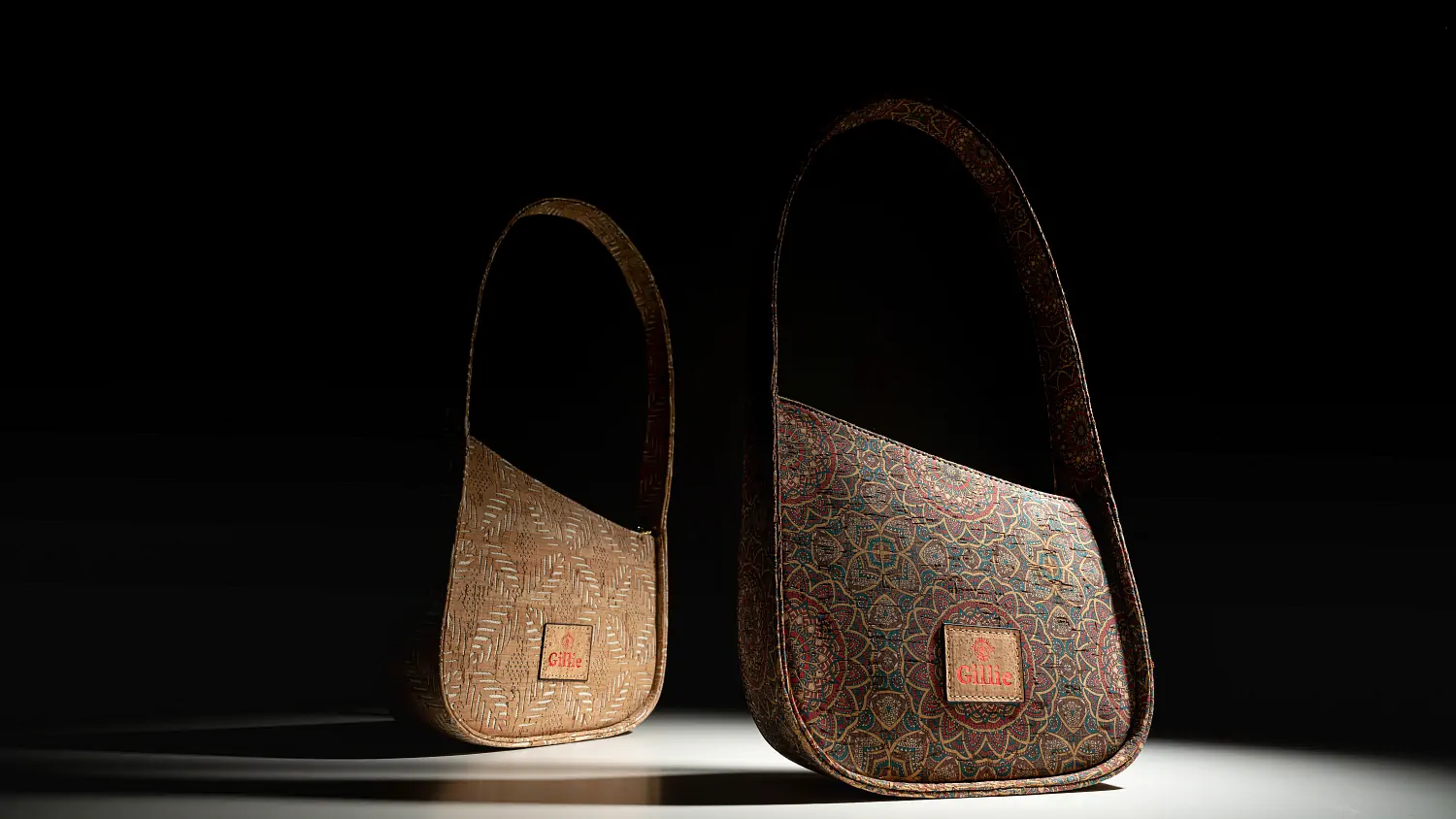

The 2024–2026 literature is not one-sided, and it’s important to state this from the outset. AI can create aesthetic appeal and drive clicks in general marketing visuals. What determines trust lies elsewhere: the product’s physical authenticity, whether the source is discernible, and why the brand is using this technology.
Peer-reviewed study
Hartmann, Exner, and Domdey's International Journal of Research in Marketing'His study, published in , was generated using seven different models 10,320 synthetic marketing visuals 2,400 people compared it to a computer-generated image, and in total 254,400 user reviews topladı. Güçlü modeller kalitede, gerçekçilikte ve estetikte insan üretimini yakaladı ya da geçti. Dahası, 173.022 gösterimlik saha testinde en iyi AI banner'ı profesyonel stok fotoğraftan %50'ye kadar daha yüksek tıklama oranı aldı.
Any analysis that ignores this result is incomplete. The argument that "AI produces poor visuals" ends here. However, the study measured general marketing content and banner performance. The color, stitching, texture, scale, or match between the product and its packaging of an SKU were not tested at any stage. We are looking at the results of a different competition: proof of appeal, not proof of product accuracy.
The most robust evidence in this area comes from Quan Xie, Sidharth Muralidharan, and Joe Phua of the Temerlin Institute of Advertising at Southern Methodist University Journal of Advertising'a study published in . What prompted the research team to ask this question was a familiar development: Levi's announcement that it would increase diversity using artificial intelligence models, and the wave of backlash that followed.
In a three-phase series of experiments, the use of AI-generated human models in body-positive and plus-size clothing campaigns elicited a strong brand hypocrisy It created a negative perception. Attitudes toward the brand, purchase intent, and the likelihood of recommending it all declined significantly.
Name of the mechanism The Theory of Social Being. As Xie puts it, consumers do not find AI models human, warm, or relatable. When you try to convey a message based on empathy using a synthetic figure instead of a real person, the message itself falls apart. The ad says, "We love you just the way you are," but there’s no one in the visual.
The part of the study that no one reads: two antidotes. This study does not say, "Don’t use AI models." It tests two intervention mechanisms, and both are effective.
Second Experiment, the concreteness of the purpose It demonstrated that it plays a regulatory role: Concrete and measurable messages mitigate the impact of declining social presence on brand hypocrisy. The third experiment is even more striking: in ads conveying an abstract message, next to a simple AI statement a comprehensive transparency statement Brand reviews when added is rising.
The researchers have three recommendations for brands: Explain your use of AI; provide that explanation alongside information about the brand’s concrete commitments in the real world; and describe how AI is being developed responsibly. In short, the problem isn’t AI itself, but, Bare and unjustified AI.
Brüns and Meißner's Journal of Retailing and Consumer Services'Three studies published in [source] in 2024 all point in the same direction: when GenAI generates social media content, it undermines perceived brand authenticity and behavioral responses. But there’s one detail—AI’s human supported frame, it significantly reduced damage compared to the frame it replaced. The same technology, a two-sentence difference, a different result.
Research based on Signal Theory makes a simple yet powerful point: a marketing image doesn’t just show the product to the consumer—it also how much effort the seller put in ...whispers. British Food Journal'Three scenario experiments published in 2026 found that images labeled as 'artificial intelligence" had an impact on consumers' perceived seller effort shows that it weakens the inference.
When a customer senses that the seller has taken the easy way out in the visual, they also lower their expectations regarding the product’s quality. The question on their mind is: if they cut corners here, what else did they cut corners on in the product? The impact is significantly more damaging for products commanding a high price premium. In other words, for a brand positioned as premium, the cost of an AI-generated image is higher than for a brand positioned as budget. The same image, two different bills.
Israfilzade’s 2025 2×2 experimental study tested both the source of the advertisement (AI or human) and the presence of transparent labeling. The independent variable Level of interest in the product It’s out. For low-involvement products, such as snacks, AI-generated images are accepted almost without resistance. However, for products that carry high financial and technical risks, such as laptops or luxury goods, a clear “AI” label sharply reduces trust and purchase intent.
This finding forms the academic basis for the category matrix discussed later. Its practical implication is also clear: the same production budget yields low marginal benefit when spent in a low-interest category, but high marginal benefit when spent in a high-interest category. Spreading the budget evenly is the most costly mistake.
This is the most useful finding from a business perspective. It reveals what motivates brands to use artificial intelligence to reach consumers how he explained it In a series of experiments examining its effect on trust (last experiment, n=212), reasoning "privacy protection" When presented with these images, consumers showed similar levels of trust as they do with human-created images. The exact same technology "cost-effectiveness" However, when the rationale was explained, there were statistically significant declines in trust and purchase intent.
Not peer-reviewed · Preprint
Published in August 2026, the study compared AI-generated product images with original photos from matched listings on Vinted across two seasonal waves. The results were not one-sided:
The study’s own interpretation is that performance depends on the balance between aesthetic refinement, visual originality, perceived risk, and the need to validate the product. One limitation is clearly stated: Since AI-generated images are more polished, it is not possible to completely distinguish between "AI source" and "presentation quality," and the platform’s algorithm cannot be controlled. In other words, we have a context-sensitive signal It exists, but it is not a universal law of sales. In fact, anyone who searches for a universal law in this literature comes away empty-handed.
A study conducted by the Münster School of Business (FH Münster) in partnership with the fashion retailer Ernsting's family, a CECIRE member, makes a practical distinction: consumers in decorative and background images shows a certain degree of tolerance toward artificial intelligence, but in photos of personalized products and models highly critical. This distinction forms the basis of the "decision table based on visual type" that follows—and is likely the most easily applicable finding in this article.
| Research / Institution | Focus | Method and Sample | Key finding |
|---|---|---|---|
| Hartmann, Exner & Domdey IJRM (2025) | Overall marketing image quality and ad clicks | 10,320 AI images; 254,400 evaluations; 173,022 banner impressions | The most powerful models matched or exceeded performance on human images; the study did not test the accuracy of physical SKU representation. |
| Xie, Muralidharan & Phua SMU · Journal of Advertising (2026) | AI models in body-positivity campaigns | Three series of experiments involving female consumers | Perceived brand hypocrisy; low social presence; decline in purchases and recommendations. A message with a concrete objective and a statement on AI transparency reverse this effect. |
| Brüns & Meißner (2024) Journal of Retailing & Consumer Services | AI Content on Social Media | Three experiments | Direct damage to perceived brand authenticity; the "supportive AI" framework mitigates the damage. |
| Tainted by technology? British Food Journal (2026) | Perceived seller effort | Three consumer experiments | The "AI" label diminishes the perception of effort; resistance is growing among high-priced products. |
| Israfilzade (2025) Equilibrium | Transparent labeling × product engagement | 2×2 between-subjects design | An explicit "AI" label on high-interest products reduces trust and sales. |
| Motivation Framing Study | The Impact of the Rationale for Using AI | Three experiments (n=130, n=79, final experiment n=212) | "The "cost savings" argument erodes trust; "privacy protection" generates a level of trust similar to that inspired by human-made systems. |
| FH Münster / CECIRE Ernsting's Family Partnership | AI-Generated Images in Fashion Retail | Market and Consumer Analysis | Partial approval for decorative images; strong criticism of personal and model images. |
| Vinted Field Test Preprint (2026) | The role of evidence in secondhand fashion | Field experiment, S-O-R model | Seasonal reversal: AI attention metrics in fall and winter; original images and conversion metrics in spring and summer. |
| Cicek, Gursoy & Lu Washington State University | The term "AI" in the explanations | Experimental study | Emotional confidence is declining; purchase intent is decreasing. This is more pronounced in high-risk categories. |
In e-commerce, visuals serve as a substitute for the product’s physical presence when consumers cannot touch it. The texture of fabric, the sheen of metal, the transparency of glass, the surface of leather, the true shade of a cosmetic pigment, the way a ring fits on a finger, the quality of the packaging—all of these are conveyed through a single image. As the customer looks at that image, they are actually trying to reach out and touch it.
That’s why an AI-generated image that makes the product appear more flawless, shinier, smoother, larger, or a different color —no matter how aesthetically successful it may be—poses a commercial risk. A single question arises in the customer’s mind, and that question determines both the conversion and the return: "Will the product really look like this?"
There’s another layer to luxury, cosmetics, and fashion. The problem highlighted by the study "When AI Doesn’t Sell Prada" is not just about reality. In luxury consumption, value is inextricably linked to human labor, craftsmanship, attention to detail, materials, and the story behind production. When AI visuals dilute this perception of labor, consumers begin to question how the brand creates value. A customer who wonders who sewed a bag’s stitches will also wonder who created its visual.
Data from 2026 brings this finding to the commercial level. In a survey conducted by Clutch in June 2026 with 408 consumers, the participants %36'sı markanın arkasında gerçek insanlar görmenin sadakatlerinin en güçlü sürükleyicisi olduğunu söylüyor — fiyattan da, ürün kalitesinden de, kolaylıktan da güçlü. Aynı araştırmada %49'u en akılda kalıcı kampanya formatı olarak gerçek müşteri hikâyelerini işaret ediyor.
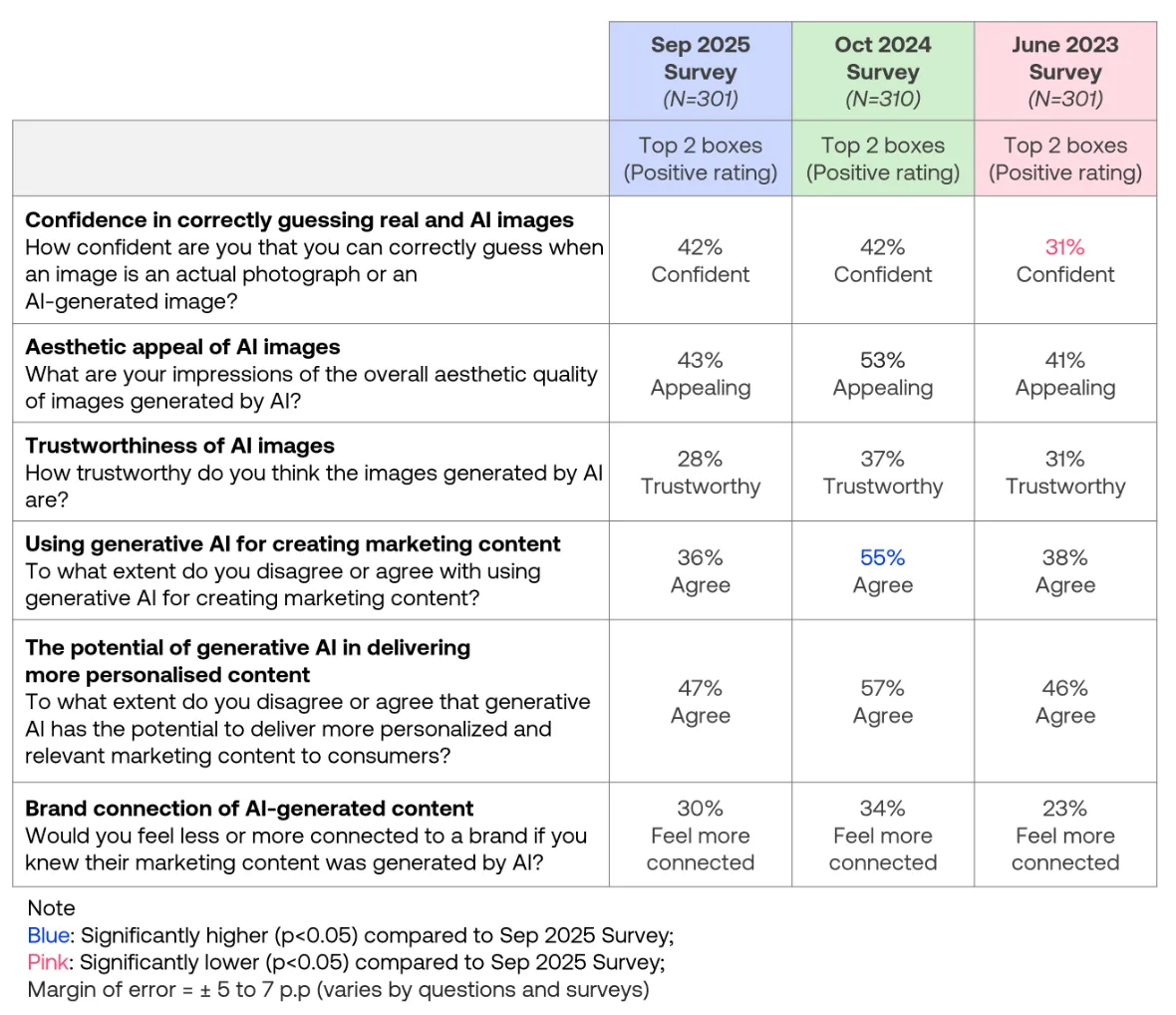
A study by the NIM (Nuremberg Institute for Market Decisions) reveals something troubling: Labeling the same image as a "photo" or an "AI-generated image" changes consumer perception. An image labeled as “AI-generated” is perceived as less emotional, less credible, and less memorable. In other words, transparency doesn’t always build trust; sometimes it just makes skepticism more apparent.
The third experiment in the SMU study rounds out the picture, and these two should be read together: While a simple "Generated by AI" label may erode trust, a well-crafted transparency statement that explains how the process works enhances brand perception. For example, explaining that the AI model was trained on a dataset consisting of photographs of real people for whom consent was obtained and who were licensed helps alleviate consumer skepticism. The difference lies not in the presence of the label, but in its content.
As of 2026, this balance is no longer a matter of choice. The dilemma highlighted by NIM—that labeling erodes trust—has so far been a matter of strategy. Starting August 1, 2026, in Turkey, and August 2, 2026, in the EU, under certain circumstances Tagging is required.
As a result, the question is no longer simply "Should I tag it?" but has split into two: (1) In which categories should I create images that I won’t have to tag? (2) When I have to add a tag, how do I make it a qualified tag?
In e-commerce, a photo serves as physical evidence of a product. The moment a consumer suspects the image might be synthetic, that evidence loses its validity.
A genuine photograph conveys the sense that someone standing in front of the product made decisions about the lighting, the angle, and the materials. That sense of effort quietly transfers to the product.
Shadows, symmetry, texture, fingers, faces, fabric, or minor anomalies in perspective leave the consumer with an indescribable sense of artificiality.
Sensing that the image has been overly optimized to be convincing, the customer goes on the defensive: "If they cut corners on the image, did they cut corners on the product, too?"
When shopping online, no one can touch the product. Real lighting, real surfaces, and the correct scale are the only things that can partially make up for this shortcoming.
The fear that AI will replace creative labor is triggering a reflexive rejection based on values among certain consumer groups.
Consumers interpret an AI-generated image as "less effort was put into it," and this perception extends to the entire brand. If the image looks cheap, the product is also considered cheap.
The impact is not individual but environmental. Consumers are penalizing a brand not just because of its own advertising, but also because it appears alongside low-quality AI content.
The most striking finding in the IAB’s 2026 report—which surveyed 505 U.S. Gen Z and Gen Y consumers and 104 advertising executives—is on this side of the table: of executives believe that young consumers view AI ads positively. The actual rate among consumers is . The gap was 32 points in 2024 and rose to 37 points in 2026.
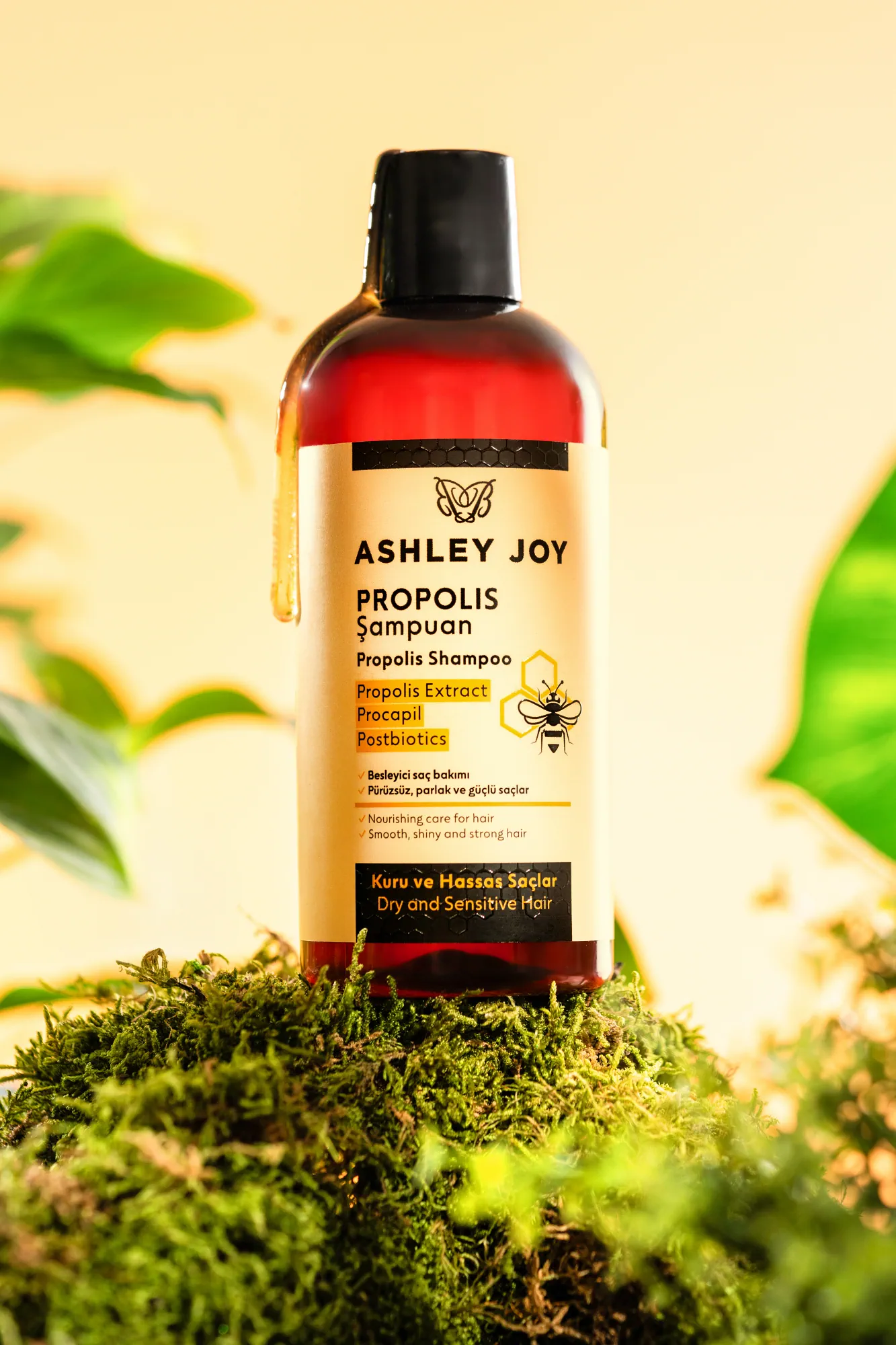

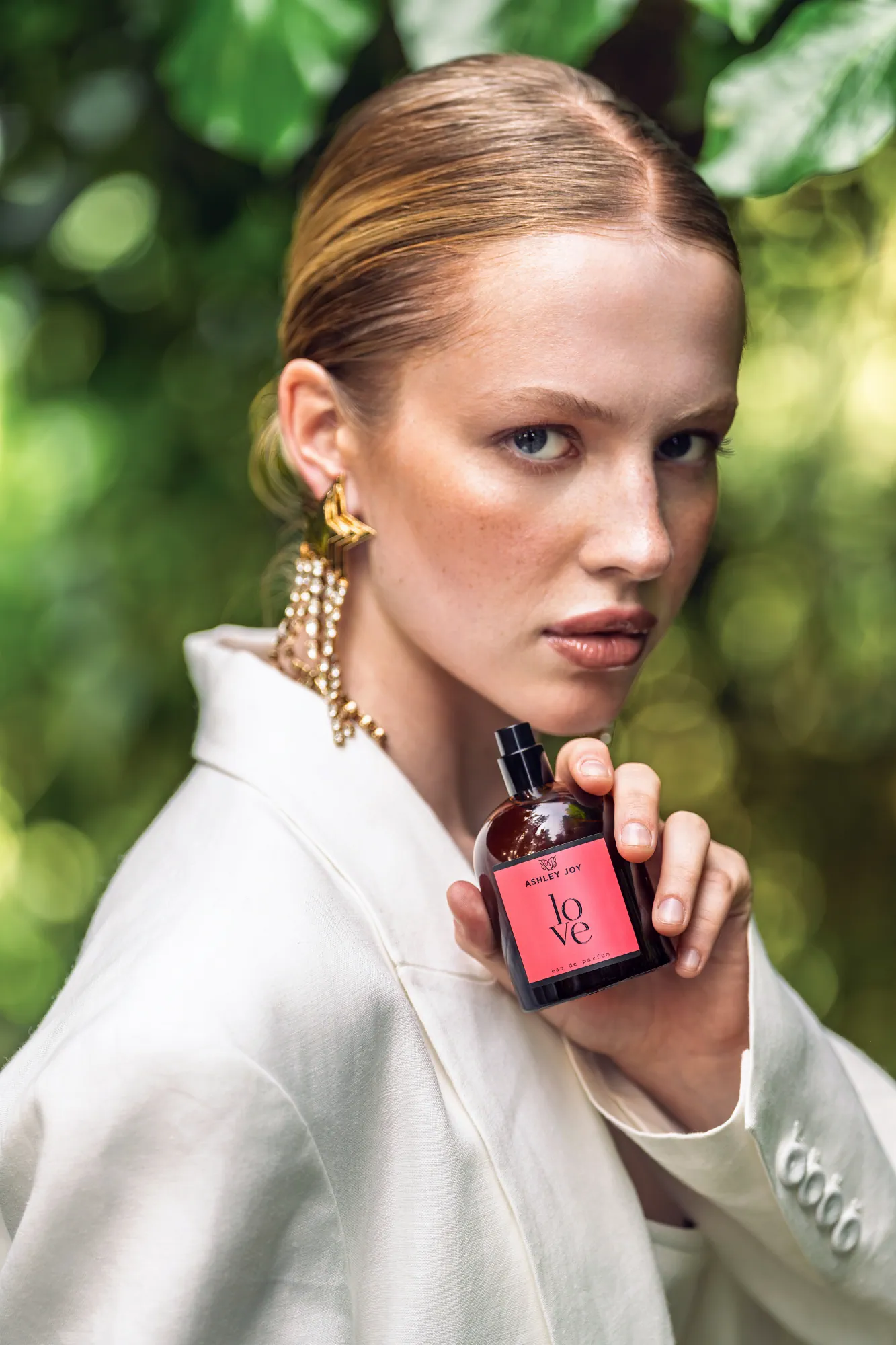


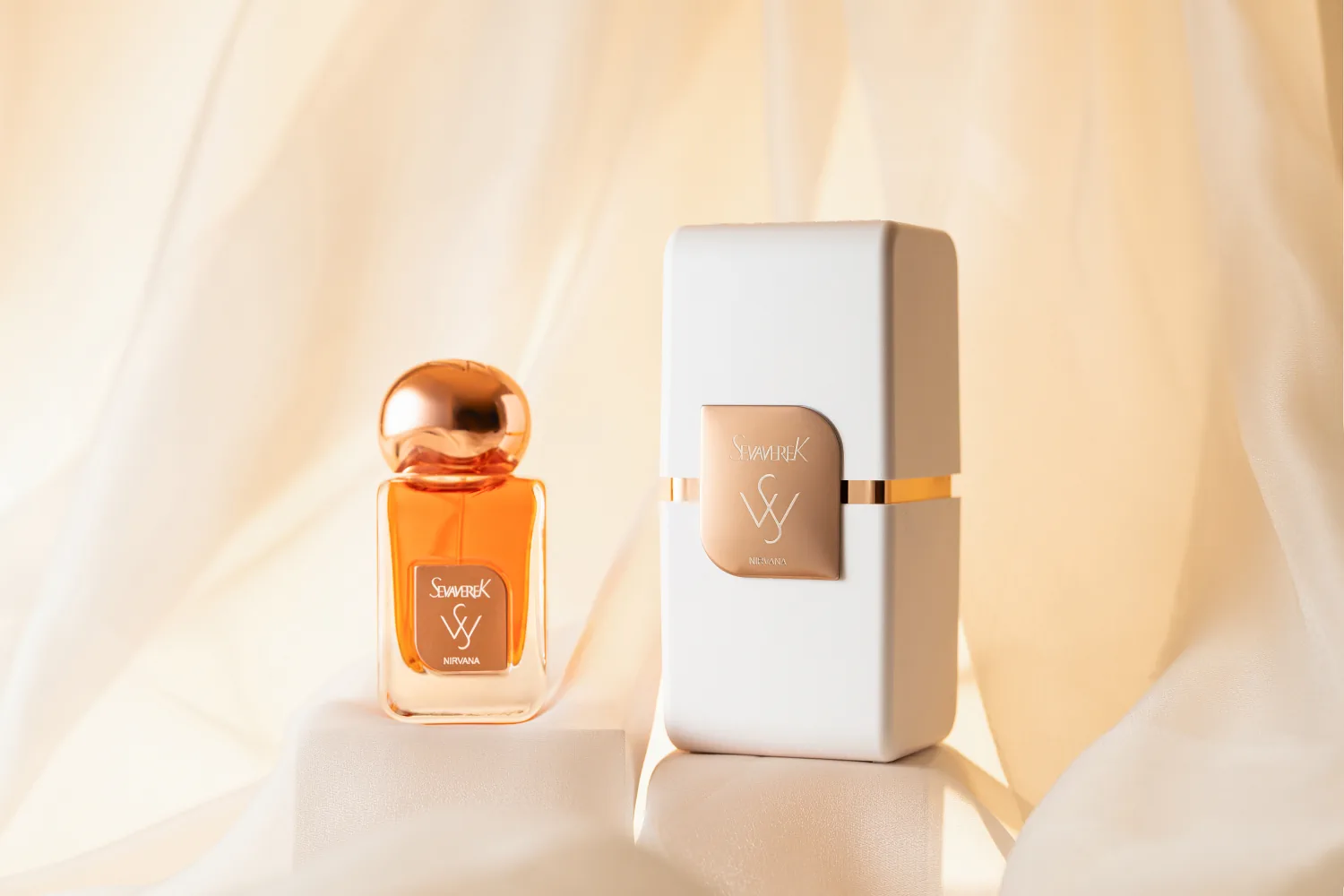

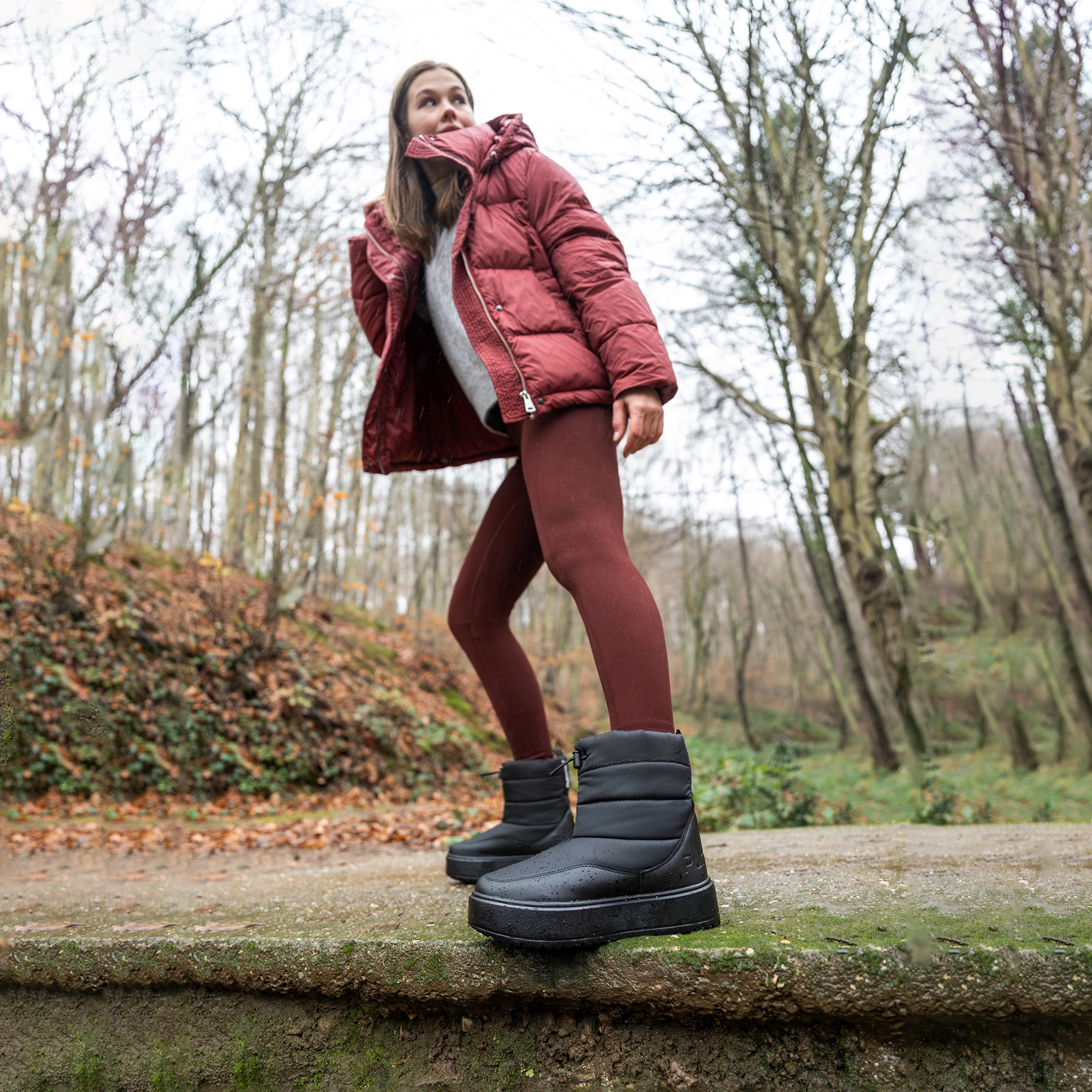
When the two brand cases are compared side by side, a pattern emerges that is surprisingly consistent with academic findings. Let’s state from the outset that this is not proof of causality; nevertheless, it is instructive.
Levi's announced that, in collaboration with Amsterdam-based Lalaland.ai, it will test an AI modeling system on its e-commerce site that represents diverse ethnic backgrounds, ages, and body types. The company took this step a method for increasing diversity, inclusivity, and sustainability positioned it as...
The announcement sparked a wave of harsh reactions in the global media (The Independent, The Guardian, The New York Times) and on social media. The gist of the criticism was this: producing synthetic minority models instead of hiring and paying real human models strips diversity of its value and reduces it to a mere effect. New York Magazine called this "artificial diversity.".
Conclusion: Following the backlash, Levi's announced that its AI models would not replace real models or its commitment to diversity, but would merely support photo shoots featuring human models. This was not a "step backward," but rather a narrowing and clarification of its controversial positioning.
Mango launched an ad campaign for its youth collection created entirely using artificial intelligence. Technically, it was a step beyond what Levi's had done: not a synthetic model, but synthetic campaign.
The difference lay in the framing. Mango did not frame the process in terms of social value, diversity, or inclusion; rather, operational speed, design flexibility, and production efficiency he explained. AI was presented not as a claim to virtue, but as a tool for production.
Conclusion: The campaign also drew criticism regarding job losses, representation, and the accurate portrayal of the product; however, no measurable backlash on the scale of Levi’s was found in the sources reviewed. This does not mean the campaign was commercially successful. A cautious conclusion is this: the framework of effectiveness differs depending on the claim of social value of the type It sparked a debate.
The difference between the two cases isn't in the technology He claimed. Levi's AI is a on the grounds of social value presented it, and the public saw this as hypocrisy. Mango AI is a production method presented it as such; no wave of comparable magnitude formed.
These two cases provide a field example consistent with the SMU study’s findings on brand hypocrisy and its motivation-framing experiments. A case comparison alone does not constitute causal evidence.AI should never be presented as a substitute for a value commitment. When claims of diversity, body positivity, sustainability, local production, handcrafted products, or social responsibility are supported by synthetic images, in the consumer’s mind brand hypocrisy is triggered. Technology should clearly be positioned as a tool that supports operational speed and the creative process. Any other use of it costs more than it brings.
The second comparative analysis is even clearer: two brands, similar technology, different transparency architectures, contrasting responses.
In the August 2025 issue of *Vogue*, *Guess* featured a two-page ad starring two "models" created entirely by AI. The characters, created by Seraphinne Vallora, who produced the images, were named Vivienne and Anastasia. There was an explanation—but it appeared in the corner of the page as a small-print production note.
A TikTok video that highlighted this phrase garnered over two million views. The backlash was directed at both Guess and Vogue; subscription cancellations were discussed. Condé Nast was forced to clarify that the AI model had never been used on Vogue’s own editorial pages. Professional organizations such as the Model Alliance drew attention to the lack of consent and compensation standards.
H&M, featuring 30 real models with their consent and by paying royalties created their digital twins. The program was closed: models were selected directly, and the twins were used exclusively in H&M campaigns; the models retained their rights. Prominent watermarks and transparent labeling were used in the published content.
H&M also faced criticism—job losses, consent standards, and the future of the industry were discussed. However, the nature of the backlash was different: the debate cheating not through labor force policy She walked down the runway. Some of the models participating in the show described the process as professional, collaborative, and transparent.
It’s not technology that makes the difference; the scope of the statement, its context, and what happened to the people behind it Transparency isn't just a legal box to check—it's a mechanism for building trust—and where the label is placed and how large it is sometimes determines the reaction even more than the AI itself.
A practical takeaway for e-commerce brands: every piece of information you try to hide will cost you exponentially more once it’s discovered.| Brand | Year | Method and positioning | Reaction | Reputation Effect |
|---|---|---|---|---|
| Levi's | 2023 | Diversity-focused AI models with Lalaland.ai | Severe; Accusations of "artificial diversity" | Following the backlash, it was announced that the use of the product is beneficial. |
| Mango | 2024 | A fully AI-generated campaign for Mango Teen; efficiency framework | No reaction on the scale of Levi's was observed in the sources reviewed. | There is no publicly available, causal data regarding the commercial impact. |
| Zalando | Q4 2024 | Editoryal görsellerin ~%70'inde AI; "zenginleştirme aracı" çerçevesi | There is no brand-level sentiment analysis in publicly available sources. | Company statement: The timeframe has been reduced from weeks to days, and the cost has dropped to as low as . |
| Guess | 2025 | AI model in a Vogue ad; small-print caption | Viral: Allegations of a lack of transparency | Loss of reputation due to the perception of label concealment. |
| H&M | 2025 | Consent-based digital twins + royalty payments + visible watermark | Mixed; criticism of job losses and an emphasis on model rights go hand in hand. | The first set of images was released in July 2025; the commercial impact was not disclosed. |
| Coca-Cola | 2024 & 2025 | AI-generated New Year's ads | A broadly negative characterization: "soulless" | The brand continued; a debate over the measurement method arose. |
In 2026, some brands began marketing their decision not to use AI not as an ethical stance, but directly as a signal of brand trust and product authenticity.
In categories such as beauty, baby care, food, luxury goods, ready-to-wear, and analog photography, the message "We don’t use AI" is becoming increasingly visible. The reason is clear: in these categories, purchasing decisions aren’t based solely on price and function. Physical reality, tactility, human representation, the physical feel of the product, and the brand’s perspective on labor are all part of the decision.
Dove’s commitment not to create or distort images of women using AI, Aerie’s policy of not using AI-generated bodies or people, and Coterie’s decision not to use AI-generated social media images , and Polaroid’s campaigns highlighting the physical experience all point to the same commercial reality: In the age of AI, physical reality is becoming a brand asset again.
In 2026, this positioning evolved from a campaign level to a brand commitment level. Aerie expanded its '100% Aerie Real" commitment with a campaign featuring Pamela Anderson, and the ad’s narrative tackles the issue head-on right at its heart: Anderson has an AI tool generate models, tries to tweak the results to make them "more natural, less lifeless," eventually gives up and moves to a real set, where she turns to the camera and "You can't prompt this" he says. In January 2026, Almond Breeze released a video with the Jonas Brothers titled 'No AI Needed." Brands like Le Creuset began explaining their production process through pinned comments on their Instagram posts.
But that's not everyone's strategy. "The "No AI" claim isn’t automatically true for every brand. In categories where the product comes into contact with the body, skin, babies, food, fabric, jewelry, luxury goods, or the perception of health and personal care, the actual production process directly instills trust—in other categories, it’s just noise.
The second warning is even stronger: "No AI" is not a campaign slogan, a verifiable commitment It should be. The disclosure law enacted by the State of New York regarding ads featuring synthetic actors went into effect in June 2026; this is not a general 'No AI" certification. Nevertheless, an unverifiable "We do not use AI" statement poses a separate risk under general misleading advertising rules.
Quip’s ad—filmed entirely without AI, using a physical set, human models, miniatures, and practical effects— sparked a "Is this AI?" reaction on social media. The brand was forced to highlight its production process and issue a statement saying, "No AI, just us.".
Images that are overly sterile, overly smooth, physically too flawless, and devoid of texture can raise suspicions of AI—even if they’re real photos. Flawlessness is no longer a sign of innocence; it’s a clue.
That’s why, in 2026, production quality shouldn’t mean 'perfection." The true surface texture, the product’s scale, its physical response to light, the character of the materials, and a controlled yet believable balance of retouching must be preserved. An overly plastic aesthetic that makes a real photograph look like it was created by AI is squandering the brand’s trust capital.
This trend is also changing the aesthetics of commercial photography. In 2025–2026, there’s a distinct trend in fashion and lifestyle photography: less polished, more dynamic, and less flawless images. Direct flash, slight grain, unplanned details within the frame, and the clutter of real spaces. The reason isn’t nostalgia— The error is now an authentication signal.
Still, it would be a mistake to apply this trend to product photography as is. In e-commerce, the product’s color, texture, and scale must be accurately conveyed. The right balance is this: The product information should be flawless; the presentation should have flaws. The product itself should be depicted technically accurately; but the setting, lighting, and composition should make the viewer feel as if they are actually there in a physical space. This is precisely where AI struggles the most—because the models converge toward an average aesthetic, that is, toward perfection.
Do the details regarding color, texture, stitching, surface, packaging, and variants match the delivered SKU?
Is the product shown in a way that allows us to gauge its actual size—whether held in the hand, on the body, or next to a reference object?
Are the original source plate, the shoot file, the editing history, or a verifiable provenance record stored?
As of August 2026, regulators, platforms, and technical standards don’t just influence your visual production decisions—they dictate them.
Two regulations, two different scopes. The regulations in Turkey focus on digital characters that are indistinguishable from humans in advertisements and on AI replicas of real people. Article 50 of the EU AI Act, meanwhile, separately regulates the system provider’s machine-readable labeling, the chatbot’s disclosure, and the deployer’s deepfake disclosure. Circulating "If you used AI, tag every product image" However, this rule is not found in any text.
The amendment drafted by the Ministry of Trade regulates a wide range of areas, from targeted advertising to influencer posts, and from discount campaigns to environmental claims. There are two provisions that directly concern visual production:
The measure isn't the tool you use, the impression you make on the average consumer. Not every AI-powered background or color correction may fall under the same scope; however, when it comes to characters and claims of experiences that simulate real human perception, the requirement for disclosure comes into play.
"The news circulating that "the EU has postponed the AI Act' is misleading. The Digital Omnibus regulation entered into force on July 27, 2026, and high-risk It postponed its obligations regarding the systems to a later date. But Article 50: Transparency obligations have not been deferred.
Maximum administrative fine based on the nature of the violation 15 million euros or %3 of global annual revenue It can go up to that amount. This is a cap; it is not automatically applied in every case.
For a brand that sells to the EU, the right question is: What role do I play? An AI system provider based outside the EU may fall within the scope of the regulation if the system’s output is used in the EU. A retailer’s liability, however, does not stem from the shipping address; rather, it arises from whether the retailer is a provider or a deployer and how it uses chatbots, deepfakes, or synthetic content.
Sending products to Germany does not, in and of itself, give rise to any obligations under Article 50. In contrast, directly offering an AI chatbot to a customer in the EU, using a deepfake that makes a person, product, or location appear real, or launching an AI system under one’s own brand requires a separate analysis. What the e-exporter must do is document the system used, the output, the target market, and the distribution of roles in the contract.
U.S.: The Supreme Court on March 2, 2026 Thaler v. Perlmutter rejected the appeal in the case (Case No. 25-449). Thus, the decision of the D.C. Court of Appeals stood: The Copyright Act, a first-hand copy of a protectable work human requires it to be created by a human. Works produced entirely by autonomous systems, without meaningful human creative input, are not eligible for copyright registration. The U.S. Copyright Office’s official report from 2025 also explains that providing a prompt alone is not sufficient to establish human authorship, but that human creative choices, editing, or modifications may be protected on a case-by-case basis.
Germany: In its decision No. 142 C 9786/25 dated February 13, 2026, the Munich Local Court ruled that three logo designs generated by AI did not qualify for copyright protection under German law in this specific case. The court examined the various prompt scenarios one by one and concluded that even a detailed instruction of 1,700 characters was insufficient to determine the expressive elements of the output. In other words, writing a longer prompt does not make you the author.
The practical takeaway for e-commerce is this: visual assets are a brand’s It is an off-balance-sheet but real asset. Catalog images are licensed, resold, transferred to dealers, and protected on marketplaces. Synthetic images that do not demonstrate sufficient human creative input may be excluded from this protection. Photographs, on the other hand—despite being produced by a machine—have been considered human creations for over a century, because there is someone who selects the light, the framing, the moment, and the composition.
The boundary is unclear, but the direction is clear. Neither decision specified exactly where the line lies between "AI-assisted" and "AI-generated." The question of how much meaningful human input is required is still being resolved on a case-by-case basis.
In this uncertainty, the safest position is clear: Make sure the source image is a real photo. In AI-assisted editing based on real footage, human creative input can be documented; in visuals generated from scratch using a prompt, this is debatable. In practice, this means that archiving shoot briefs, set photos, and editing histories is now driven by commercial necessity rather than aesthetic considerations.
Policies are changing rapidly. The table below is based on publicly available policy documents as of August 24, 2026; please verify through the seller dashboard before making any major changes to your listing.
| Channel | Is AI-generated imagery banned? | What is expected of the seller |
|---|---|---|
| Amazon | No | For XMP fields in photorealistic and fully AI-generated media featuring humans contains-synthetic-performer This tag is required. Images of real people edited with AI, non-photorealistic characters, and images that do not contain people are excluded from this tag; the general product accuracy rules still apply. |
| Etsy | No | Products created using AI based on the seller’s prompt can be sold under the "Designed by" category; the use of AI must be specified in the listing description. Prompt packages cannot be sold separately. This policy should not be interpreted as a rule that is automatically applied to every ordinary product photo. |
| Google Merchant Center | No | IPTC in all product images generated by generative AI DigitalSourceType: Trained Algorithmic Media A metadata tag must be present; the existing source tag must not be removed. |
| TikTok Ads | No | The misleading content policy requires that AI-generated content be disclosed; there is an option in Ads Manager that says "This ad contains AI-generated content." Content that is not disclosed may be rejected. Do not confuse the Shop listing policy with the ad policy. |
| Meta (Facebook / Instagram) | No | The platform applies "AI info" labels based on industry signals and user declarations. The general content labeling approach is not the same policy as the product image requirements in Commerce Manager; please review the current ad feed in your account before launching a campaign. |
| Walmart | No (No specific rules for AI) | The guidelines for publicly available product images focus on accuracy and technical quality. No separate general rule regarding AI was identified in this review—this does not mean that misleading synthetic images are permitted. |
| eBay / Shopify | No | No separate general AI image description rule applicable to all sellers was identified in this review. Liability for misleading representations, intellectual property, and product accuracy remains subject to the general rules; please verify the regional text in the seller dashboard. |
| Turkey / EU Legislation | No — but conditionally | Disclosure is required for digital characters that cannot be distinguished from real people. It is prohibited in Turkey for a digital replica of a real person to recommend products. In the EU, the obligation to provide machine-readable labeling rests with the provider. |
First: No major platform is banning AI-generated images. It’s not the AI that’s being penalized, misrepresentation. A listing is being suppressed because it shows something different from the product that was shipped—not because of who produced the pixels.
Second: The reporting requirement is narrow but growing and fragmented. A brand that uses the same visual on five channels faces five different sets of rules. This is more of an operational issue than a compliance issue.
Third: In most cases, real-world footage does not trigger the origin and tagging requirements specific to AI; however, the compliance cost is not zero. Product accuracy, advertising claims, model consent, right of publicity, copyright, and platform technical requirements apply just as they do to real-world footage.
The unspoken assumption brands relied on when using AI-generated imagery was this: if it’s good enough, no one will notice. As of 2026, this assumption has collapsed on two fronts.
On the production side, origin signals have become more widespread. Google uses an invisible watermark called SynthID in its supported generative image products; some outputs also carry visible markers and metadata . This does not mean that all models use the same system or that every recompressed file can be unambiguously identified.
An ecosystem has been established on the detection side. Google Merchant Center requires an IPTC source tag, while Amazon requires specific XMP metadata for photorealistic synthetic people. C2PA, IPTC, XMP, and model watermarks provide technical indicators; however, metadata can be removed, and AI classifiers can produce false positives and false negatives.
Conclusion: A process based on concealing the use of AI is vulnerable both legally and in terms of reputation. Technical finding: Since technical detection alone does not constitute conclusive evidence, the correct approach is to preserve the source record and provide the necessary explanation to the channel in an appropriate manner. In the “Guess” case, it was not the technology itself that amplified the backlash, but rather the visibility of the explanation and the context of the synthetic model.
C2PA (Coalition for Content Provenance and Authenticity) is an open technical standard that can cryptographically sign the declared provenance and editing history of digital content—in practice, it is also known as "Content Credentials." It is necessary to clear up a misunderstanding here: C2PA does not indicate that the content is accurate, but rather shows who created the signed record and how it was created. Synthetic content can also carry a C2PA manifest. Adobe, Microsoft, Google, Sony, Nikon, Leica, the BBC, and the Associated Press support the standard.
At its strongest at the moment of shooting, inside the camera signing. In this case, the camera becomes a root of trust: the file receives a cryptographic birth certificate before it leaves the device. Sony’s Camera Authenticity Solution adopts this approach and provides not only a signature, but also, however, the 3D depth information that a camera manufacturer can provide ...and records it. This way, it can be verified that the image was taken of a real, three-dimensional object. The verification site also confirms the server time—which the photographer cannot alter—and indicates whether the image has been edited using generative AI.
As of May 2026, the following Sony camera bodies support the photo license: α1 II, α1, α9 III, α7R VI, α7R V, α7S III, α7 V, α7 IV, FX3, and FX30. The license is fee-based and operates on an annual subscription basis.
Two things to know before purchasing this technology:
A signature is not conclusive evidence. Nikon suspended its own identity verification service and invalidated the certificates it had issued during that period; as of mid-2026, the service had not resumed. The problem wasn’t with the cryptography —the signatures were valid. The issue stemmed from the signer being fed manipulated content. The ecosystem is real, but it’s not yet mature.
The workflow is fragile. To preserve the signature after editing, every tool in the chain must be C2PA-compliant, and the relevant function must be enabled. A single non-compliant tool breaks the manifest. Additionally, in some commonly used editing applications, origin information can only be applied in certain export formats.
Camera-source files, on-set footage, behind-the-scenes footage, crew information, color management, the retouching process, and physical proof of the product’s shoot—all of these together form a verifiable visual presence for the brand. The strategic value lies here: AI models will continue to improve and will largely bridge the aesthetic gap. The only thing they cannot replicate is what is captured through a reliable chain of devices and processes— Physical withdrawal history. An AI output can also be cryptographically signed; the difference is that the manifest indicates its synthetic origin. In other words, origin verification is not a certificate of authenticity, but a verifiable record of the process.
The U.S. Federal Trade Commission’s approach upholds a fundamental principle: Using AI does not create an exemption for misleading or unproven advertising claims. "AI-powered," "AI-free," "real footage," "exact image of the product"—all must be verifiable. This principle also aligns with the regulations in Turkey; the regulations require that academic titles, awards, and environmental claims be verifiable as well.
In order of priority. This list is not a substitute for legal advice.
The reason we’re sharing this data isn’t because we’re against artificial intelligence. As LUX Photo & Video Production, we also carried out AI-supported visual and video processes for our clients during the 2025–2026 period: background variations, concept tests, campaign adaptations, quick demo visuals, explorations of creative directions, and some expansion tasks.
When it comes to the main product image, the product on a model, the result of a cosmetic application, the display of fabric/texture/color, the scale of jewelry, the authenticity of food, claims related to baby and personal care products, or the value of luxury goods, actual production remains the safest approach. This isn’t nostalgia—it’s risk management.
Set design, lighting engineering, model management, color calibration, proper lens selection, material analysis, and controlled post-production. Real sets, real people, real products, real light.
Mood boards, conceptual direction, background variations, quick campaign drafts, social media adaptations, and supplementary visual content. The one non-negotiable rule: the product’s physical reality must not be altered.
A separate risk analysis for each product category. The hero image, product page, campaign visuals, social media variations, and ad adaptations are evaluated individually.
Category alone isn't enough. Even within the same brand, the decision depends on the purpose of the image.
| Image type | Recommended production | Rationale |
|---|---|---|
| Main product image (hero) | Actual footage | Evidence surface. It directly affects the return rate, copyright protection, and platform compatibility. |
| Detail / macro (texture, stitching, stone, surface) | Actual footage | The place where the reality of materials is revealed; the realm where even minor production errors have commercial implications. |
| On the model / on the body | Actual footage | Information on sizing and fit. Size mismatches are the single largest category of returns. |
| Scale reference (in hand, on a table, in a space) | Actual footage | The only image the consumer uses to estimate the product's size. Any mistake leads directly to a return. |
| Cosmetics / Results on the skin | Actual footage | Health and personal care claims; verifiability is required. |
| Background variation / seasonal scene | AI derivative from the source plate | The product doesn't change; the environment does. Efficiency is justified here. |
| Format adaptation (square, portrait, banner) | AI derivative from the source plate | Reframing and stretching the canvas. Risk-free as long as the product information remains intact. |
| Mood Board / Concept Research | AI | In-house production not intended for consumers. It offers a significant speed advantage; however, the risks associated with licensing and confidential data must also be managed. |
| Campaign draft / presentation slide | AI | Quick visualization prior to approval. This should not replace the final production. |
| A digital copy of a real person | Do not use | In Turkey, its use is prohibited if it gives the impression of a product recommendation. Labeling is not a solution. |
A free bonus: include concrete data alongside the image. Research shows that concrete and verifiable product data added alongside an image mitigates the negative impact of the perception of artificiality.
When the product page displays the fabric composition, full size range, measurements in centimeters, weight, material certifications, and color code, the consumer’s focus shifts from how the image was created to the product’s actual qualities. An intervention that reduces both the barrier to purchase and the risk of returns, with a cost of nearly zero.
The comparisons below show how AI-assisted editing can be used in a supporting role while preserving the evidential value of the actual footage. Each image on the left is a source frame—that is, actual footage.

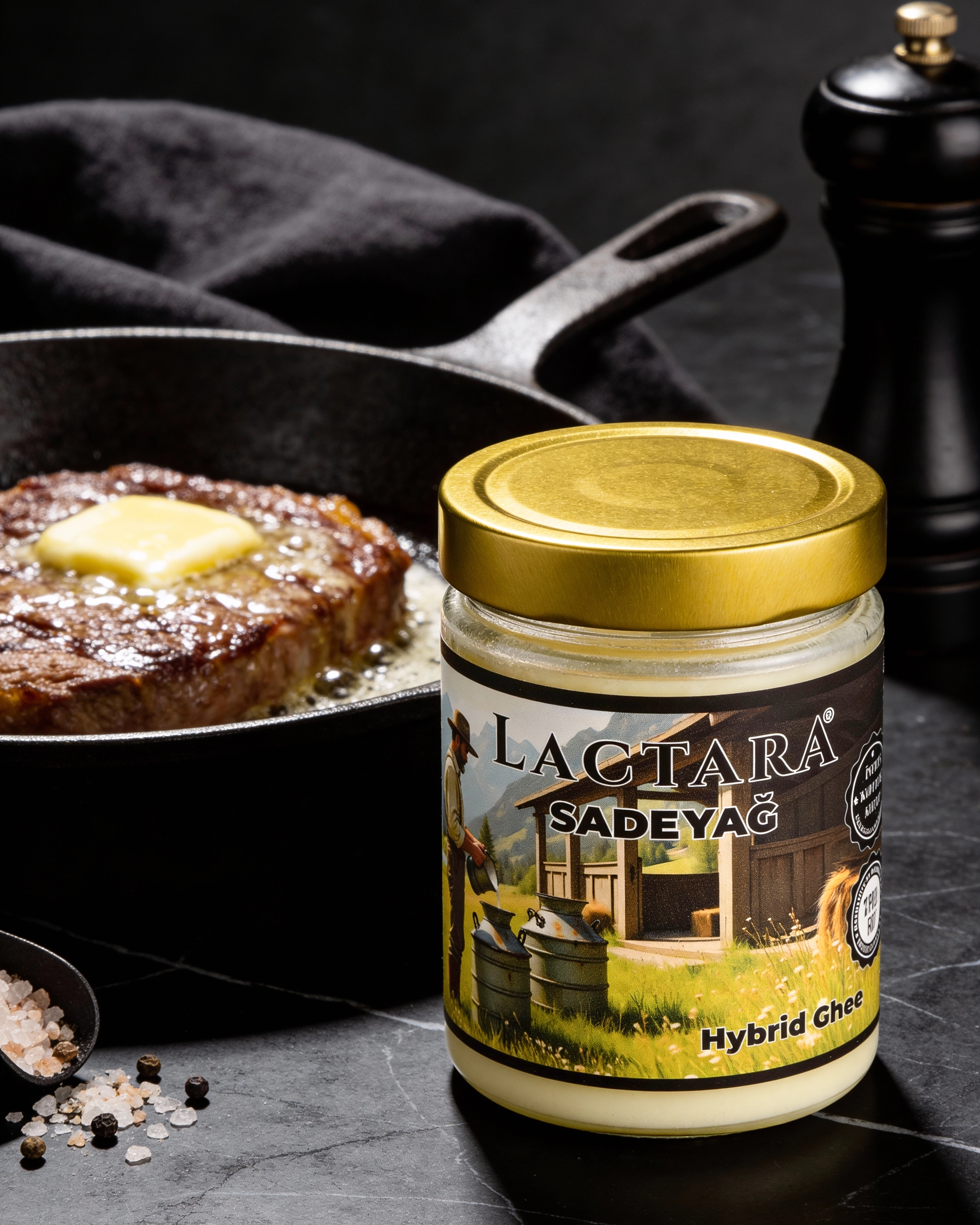
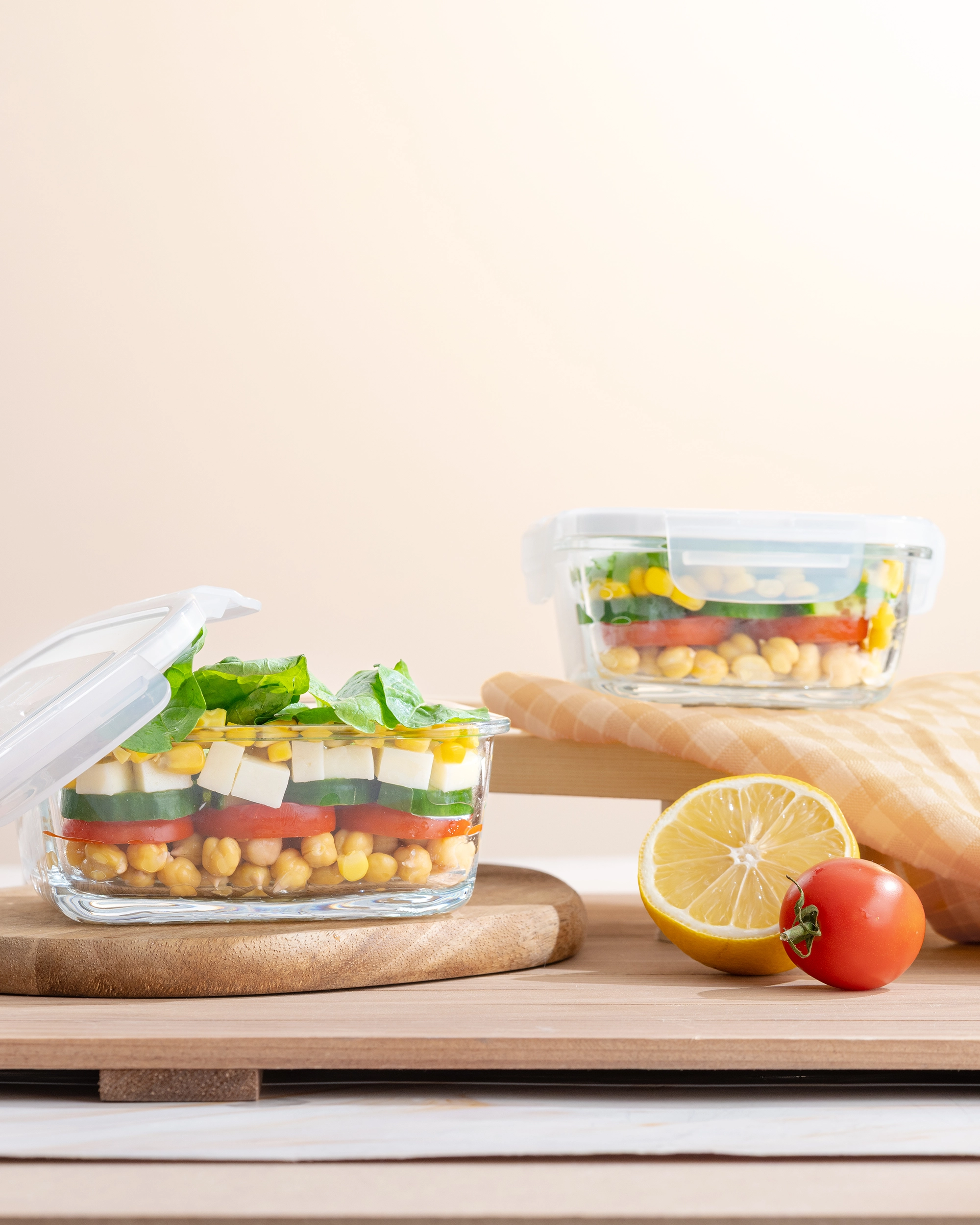

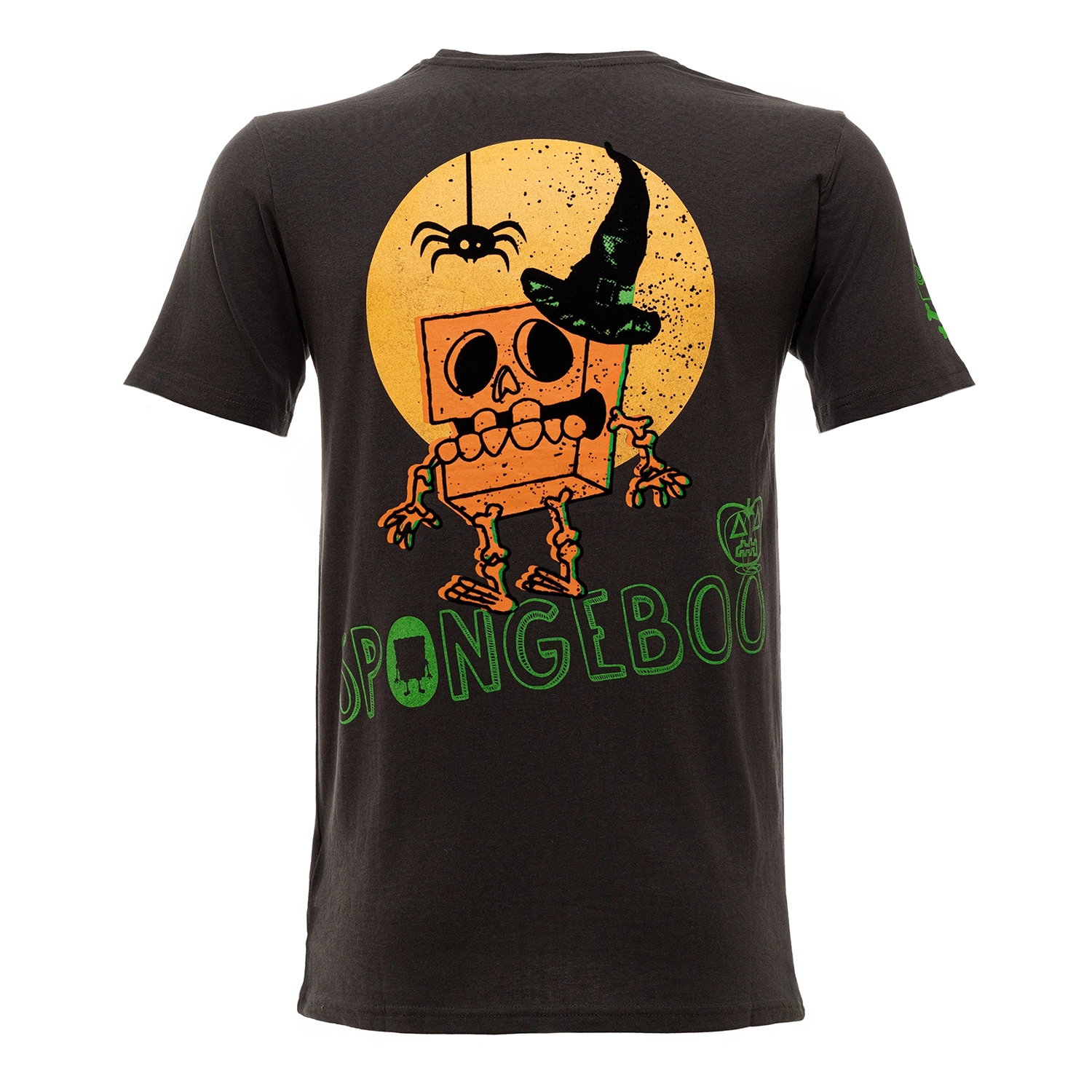



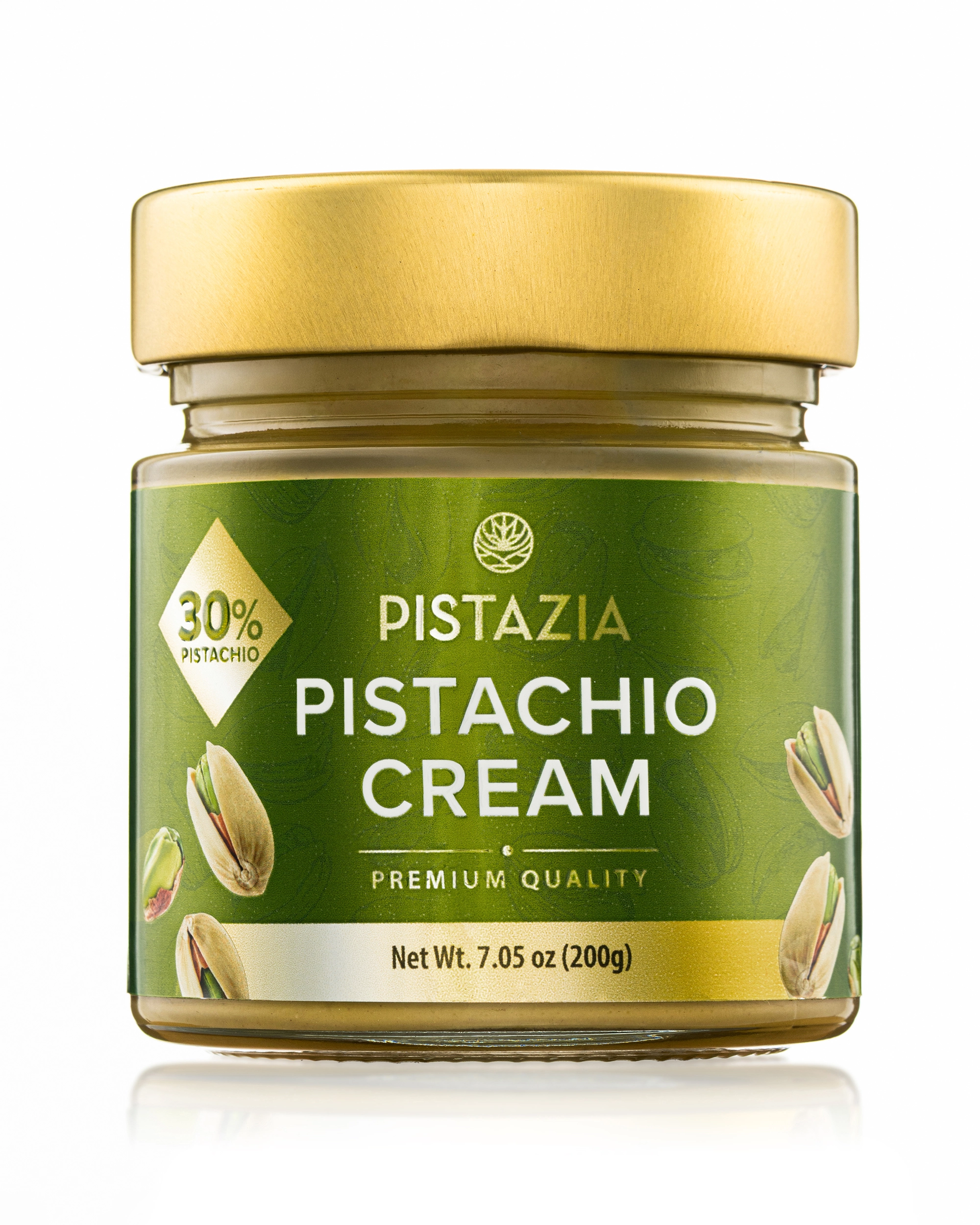
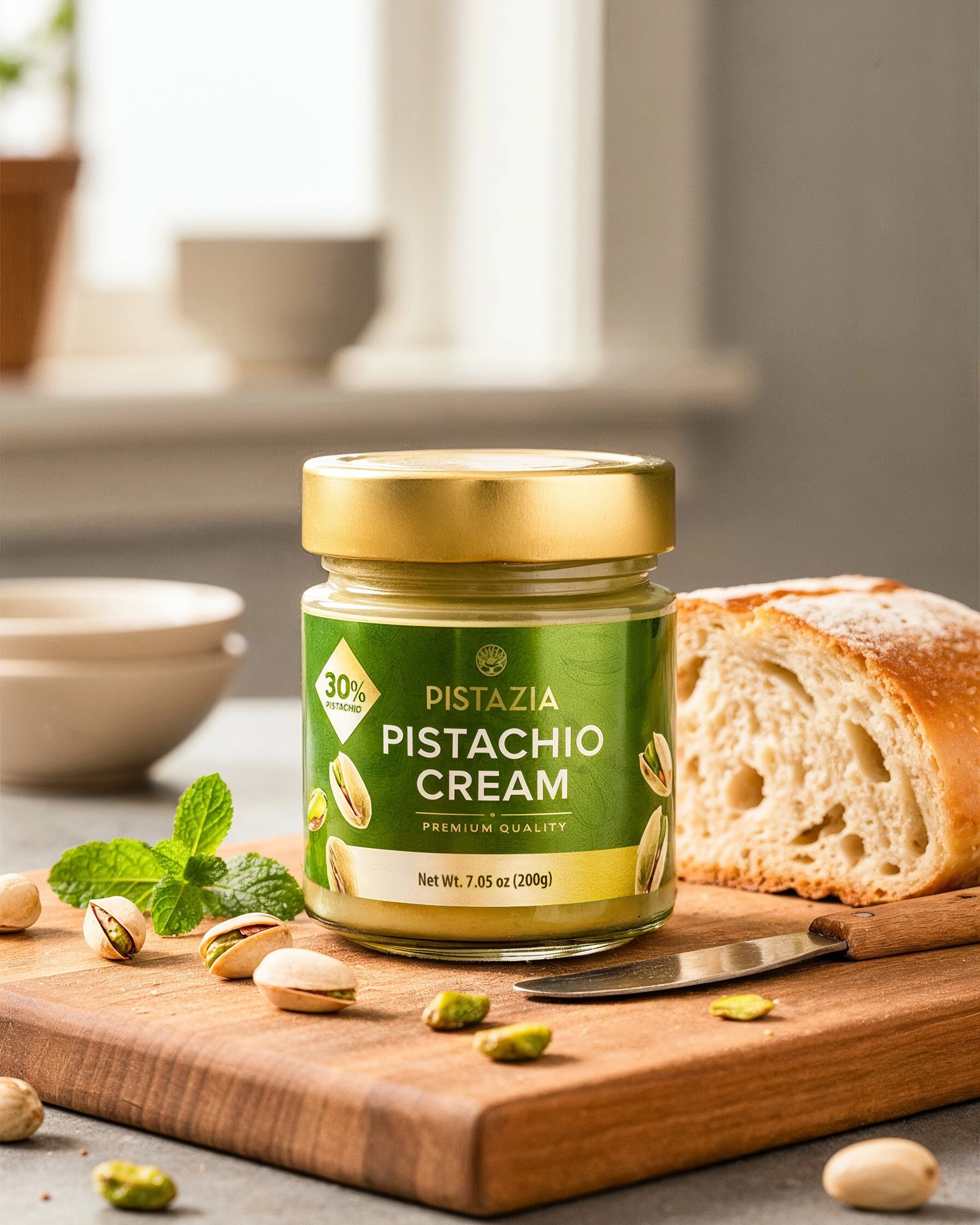
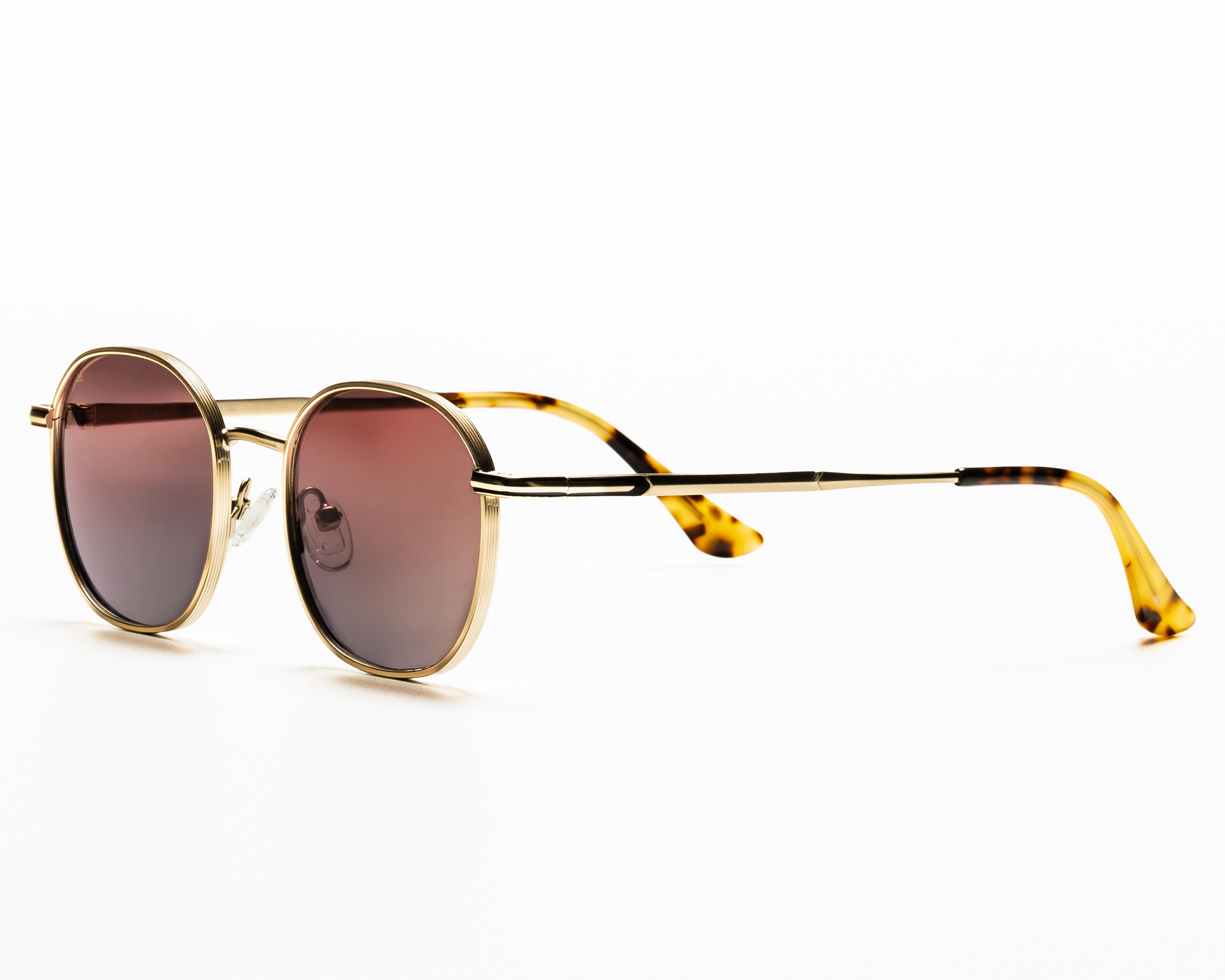

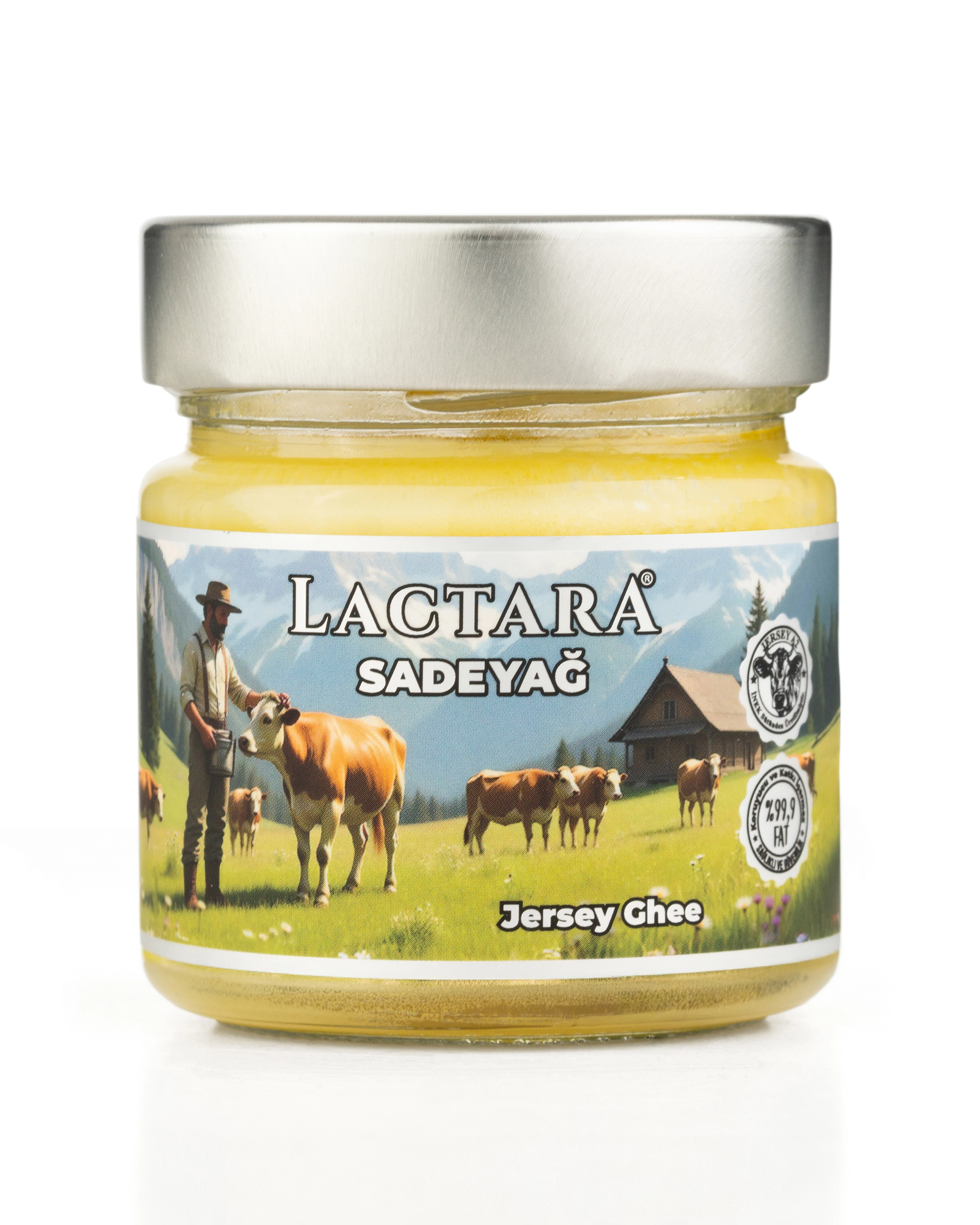
A reference section covering everything from fundamental questions to regulations, marketplace rules, and technical verification.
dc:subject in the field of contains-synthetic-performer The keyword must be added. Images of real people edited using AI, non-photorealistic characters, or images that do not contain people are excluded from the scope of this specific tag; general product authenticity rules still apply.TrainedAlgorithmicMedia requires a tag; Amazon uses a different XMP keyword for synthetic humans; TikTok Ads offers a description tool. Meta’s general content tag is not the same as the store product image requirement. Maintain an SKU- and channel-based declaration matrix.In e-commerce, visuals are the product’s physical form in the digital world. The credibility of that form takes precedence over its beauty. Artificial intelligence can add speed, variety, and production flexibility to this representation; but the moment it alters the product’s physical characteristics, the consumer’s need for verification and the brand’s reputational risk both increase.
The academic literature does not offer a single universal conclusion. A practical synthesis of the findings on this page points to three risk areas . Incorrect positioning — Presenting AI as a substitute for a value commitment. Uncontrolled production — visual anomalies that distort the physical reality of the product. Lack of transparency — a statement that is either concealed or left exposed. When these three elements are managed effectively, AI becomes an operational force multiplier.
However, the main visuals that represent the authenticity of the product being sold—including model shots, usage scenes, fabric/texture/color swatches, cosmetic results, and health claims—must be produced using an authentic reference image, proper color management, and a transparent editing process. This is also the more nuanced lesson from Vinted’s pre-release: The performance of AI-generated and real photos varies depending on the season, category, aesthetic quality, and the buyer’s need to verify the product.
For visuals in which the product, surfaces, and lighting are created on a physical set Product photography with props on a physical set You can check out our services.
The real difference that 2026 brings is this: this is no longer just a matter of quality preference. In Turkey and Europe, different comprehensive transparency requirements are in effect; the boundaries of copyright protection are shaped by human contribution, and some major platforms enforce metadata requirements. The true value of production today does not lie in its aesthetic superiority; from its evidential value, the ability to document human creative contributions, and the record of its physical origin It's coming.
At LUX Photo & Video Production, we understand the best of both worlds. While leveraging the operational power of artificial intelligence, we preserve the trust that real production and a frame composed by the human eye bring to the final product.
LUX Photo Video Production | Istanbul & Berlin
Legal Notice: The summaries of legislation in this article are for general informational purposes only and do not constitute legal advice. The texts of regulations and rules are subject to change; when making decisions regarding campaigns and listings, rely on the current official texts and, if necessary, . Platform policies are updated frequently—before making any major catalog changes, be sure to check the current policy page in the relevant seller dashboard.
Source reading note: Peer-reviewed publications, preprints, institutional surveys, and official policies do not carry the same weight of evidence. In the text, these types have been distinguished; definitive figures for which a primary source could not be found have been excluded as benchmarks. Access and policy review date: August 24, 2026.
Only Peer-reviewed Articles bearing this label were verified during this review using journal and DOI records; institutional notes, encyclopedia entries, and press coverage are listed separately.
By using cookies, we can store and access device information to enhance your experience. Your consent allows us to process data such as browsing behavior or unique IDs on this site. Not consenting or withdrawing consent may affect certain features and functions.