Learn the difference between a cutout and a white background
Examine the technical differences between background, natural shadow, transparent file, edge cleaning, and areas of application.
Go to the cutout and white background comparisonCutout is the process of digitally separating a product from its background. A white-background shoot, on the other hand, involves photographing the product in a studio against a white or light-colored background. These are not the same process: a white-background image may be delivered with natural shadows; a cutout product, however, can be used on white, transparent, or various design backgrounds.
LUX Production creates white-background, professional cutout, transparent-background, and ghost mannequin photoshoots for e-commerce, catalogs, and online marketplaces. Quotes are prepared based on the number of products, number of angles, surface type, retouching, and delivery format. Products can be shipped to the Istanbul studio from other cities in Turkey and from Europe.
Examine the technical differences between background, natural shadow, transparent file, edge cleaning, and areas of application.
Go to the cutout and white background comparisonPlease send the number of products, the number of angles, a sample image, and the sales channel. Let’s clarify the white background, cutout, and delivery formats together.
Review the scope of services and proposal variables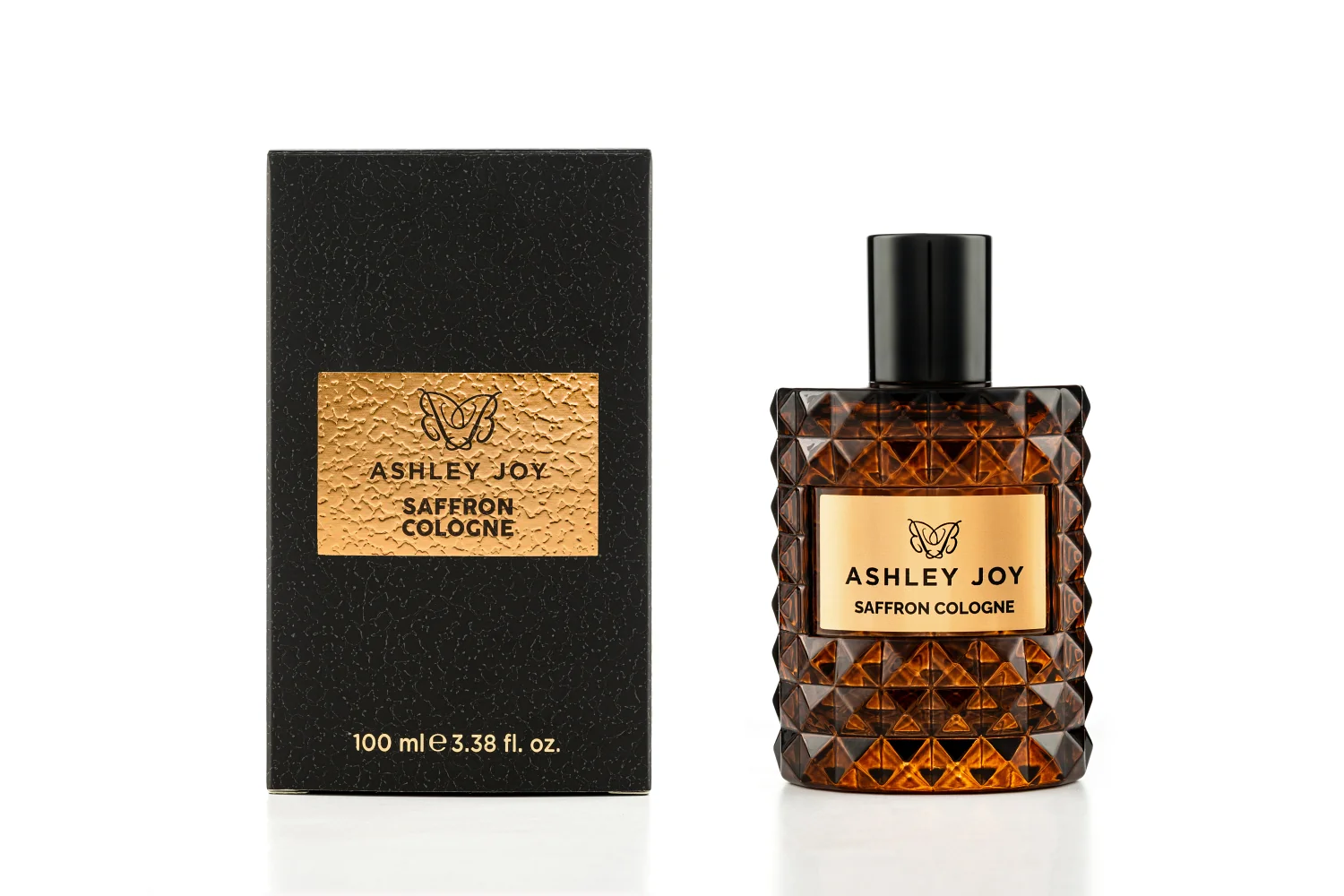
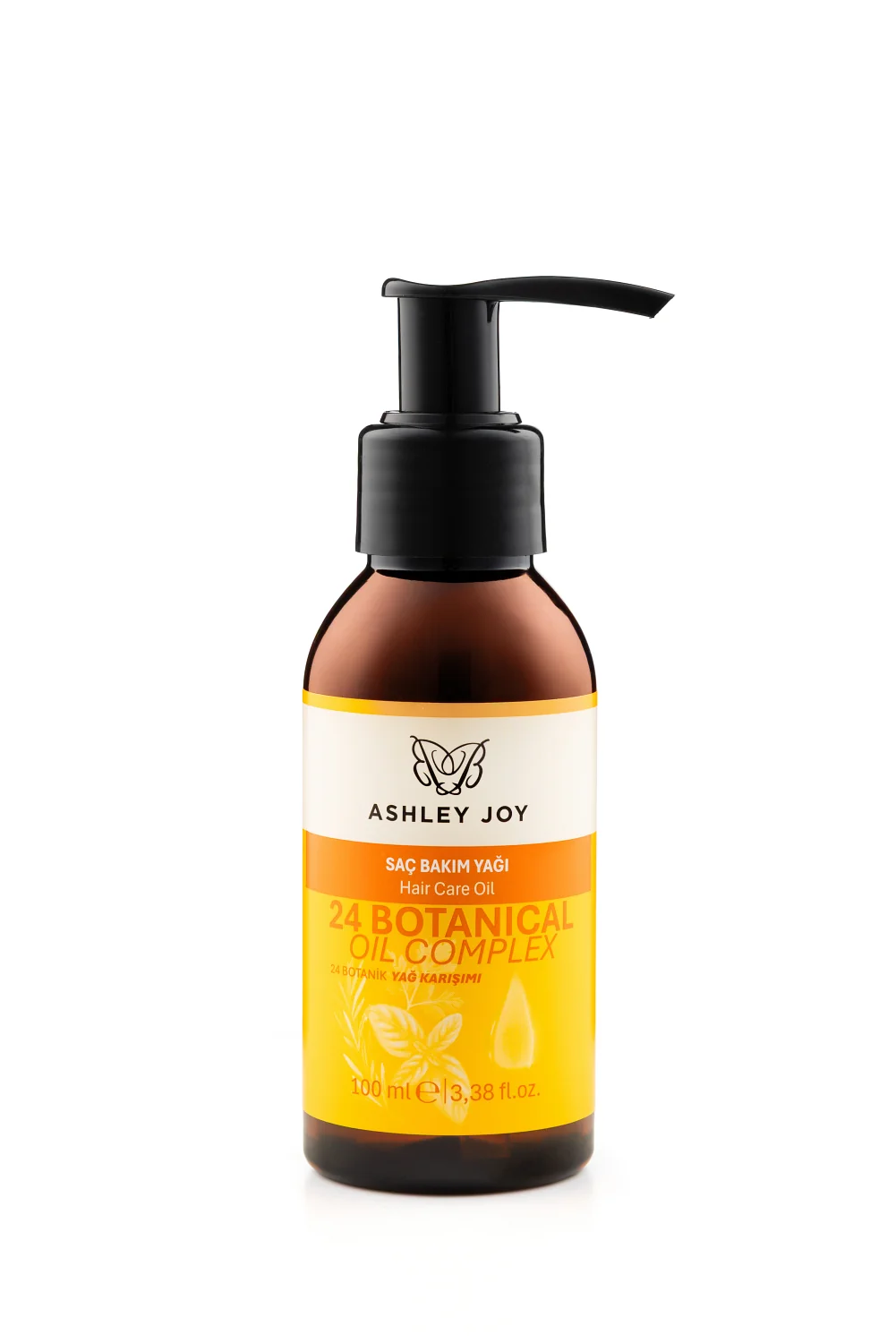
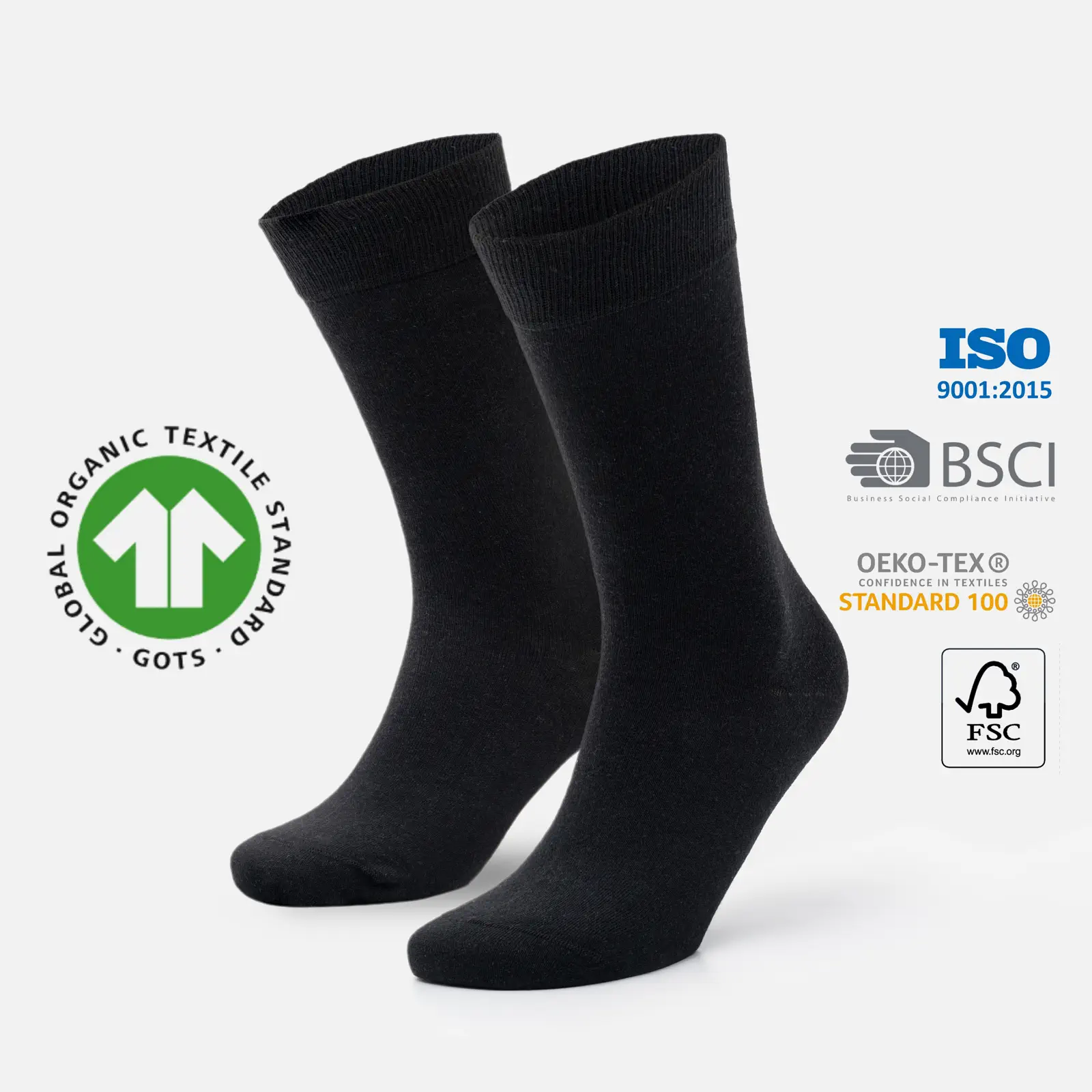
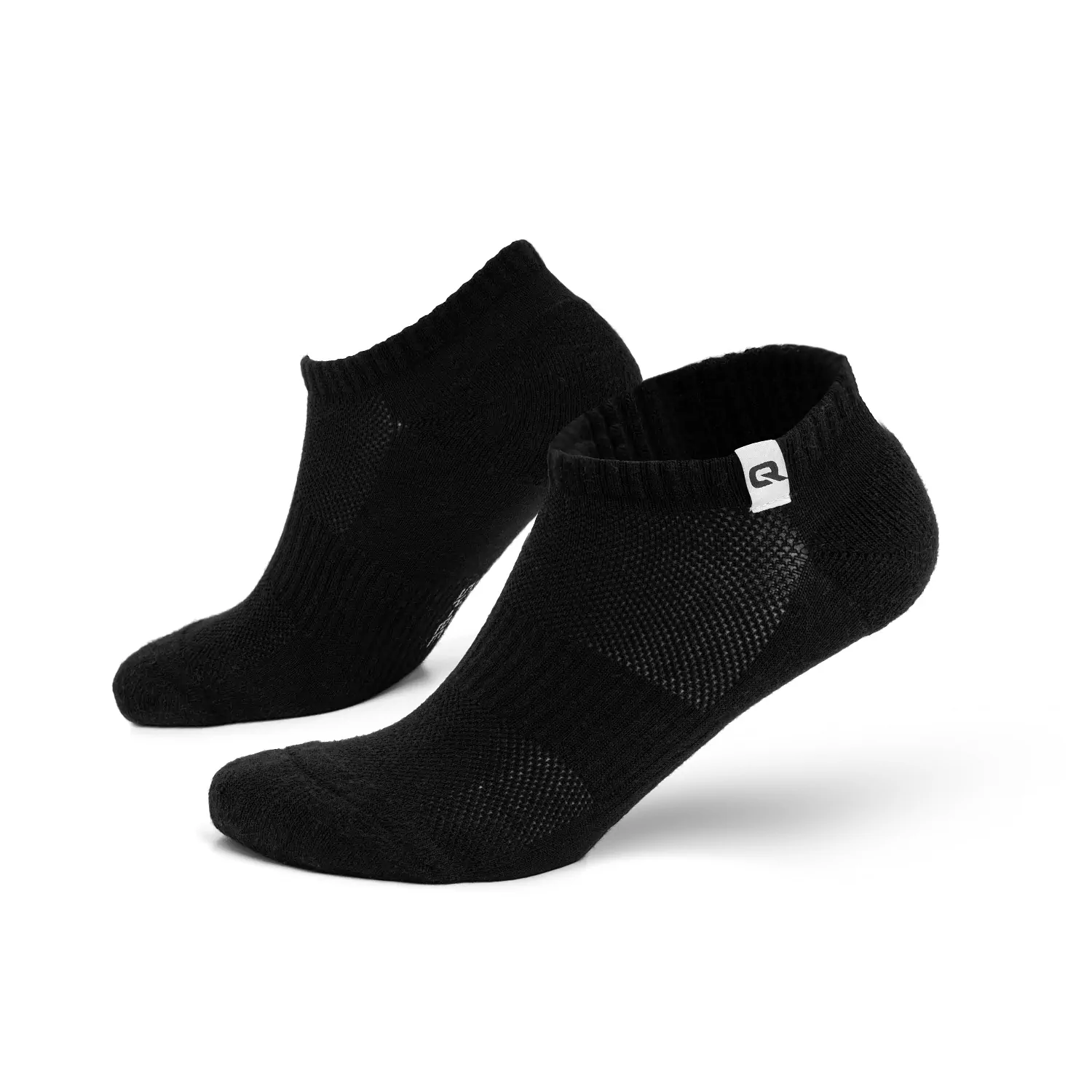
Our photography experience, featuring a selection of different surfaces, packaging, and product categories.














This product is a selection that spans various industries, ranging from our corporate production, campaigns, and training initiatives.























From among the 386 Google reviews written for LUX Production, we selected the customer experiences most closely related to white-background photography, e-commerce, and product photography.
“They photographed the product images for our e-commerce company with great care, using professional, high-quality photographers. We didn’t even need to edit the photos—they were perfectly composed right from the start. We were very satisfied with this service, which was the first time we’d outsourced this work. Considering the quality of service this studio provides, their pricing is also very reasonable.”
“We’re very pleased with their work. They’re a professional, efficient team that delivers the same high quality on every shoot. We highly recommend them.”
Professional and great team. We worked with them in both location and studio shootings, and they determined our needs with their expertise and offered quick solutions and suggestions. We entrust all the processes of both decorated and white background shots of our Dreamy Rikka brand for all domestic and international marketplaces with peace of mind. You will definitely not need to look for a different alternative.
“Hello everyone, We at Şahin Metal received assistance from them for our product catalog photos. We’d like to thank them very much for their service, speed, and the amazing photos. Tufan ÖZAY”
“We were extremely satisfied with the photo shoots for our home textiles. Both the set design and the product presentation were excellent. We’d like to thank the entire team—especially Mr. Burak—for the professionalism and attention to detail they demonstrated throughout the process. Capyhome”
“We worked with this agency on photo and video shoots for our products and were very pleased with the results. We were particularly impressed by their professionalism and creativity during the lifestyle photo shoots featuring models. They also produced exceptionally high-quality work for both our product videos and product photos. They not only accurately reflected our brand’s image but also produced content that supported our sales. I highly recommend them for their work ethic, teamwork, and meticulous attention to on-time delivery. I’d like to thank Simge for managing the entire process so successfully.”
The products on this page were physically photographed in the studio. The product, packaging, texture, shadows, and reflections are not artificially created. Burak Bulut Yıldırım manages lighting and shooting decisions; Meryem Aydın plans the product presentation, background, and physical set integrity prior to the shoot. Retouching is applied in a way that preserves the product’s physical characteristics.
The number of products, surface type, number of angles, sales channel, background, and delivery formats are specified.
Light, shadow, reflection, edge lines, product ratio, and color are checked during the shoot.
The selected images will be delivered once cropping, cleanup, color correction, and platform formatting are complete.
Please provide the product category, total number of products, number of angles per product, sample image, and the sales channels to be used. Let’s prepare the correct shooting setup for white background, cutout, transparent file, shadow, and platform cropping.
White-background photography and image masking are two distinct processes. In the first, the product is photographed against a white or light-colored background; in the second, the outer contour is digitally separated from the background. The choice of method depends on whether a white background, a transparent file, or a specific design requirement is needed.
To examine the use of fonts, colors, shadows, and e-commerce in more detail, A Detailed Guide to White-Background Photography You can go to that page.
The scope of a cutout product photo shoot is determined by seven key variables: number of products, number of angles, surface, shadow, background, retouching, and delivery format. A quote is prepared based on the project scope, number of products, type of shoot, model/set requirements, and post-production details.
| Scope variable | The issue that needs to be decided | Impact on the proposal |
|---|---|---|
| Number of items | Total number of product codes, variants, and colors | It determines the volume of shooting, file management, and retouching. |
| Number of angles | Front, back, side, top, detail, and packaging views | Determines the number of final frames to be produced per product. |
| Surface and Reflection | Glass, metal, glossy plastic, transparent or matte surfaces | It changes the lighting setup and retouching time. |
| Shadow | Natural shade, controlled artificial shade, or delivery without shade | Determines the method for preparing cutouts and composites. |
| Background | Pure white, natural white, transparent, or various colors | Defines the scope of the masking and delivery files. |
| Retouch | Dust, scratches, labels, stitching, surface, color, and shape corrections | Determines the post-production time per product. |
| File format | JPEG, WebP, transparent PNG, and platform-specific cropping | Specifies the set of files to be delivered and the number of versions. |
To evaluate the scope of general product photography together professional product photography services you can examine.
To achieve a clean cutout, the product and background are photographed under separate lighting conditions. Over-illumination of the background can cause light to bleed onto the product’s edges; insufficient separation, on the other hand, can result in fringing and artificial contours during masking. The lighting characteristics, masking method, and color control are selected based on the product’s surface.
On Amazon, the main product image is prepared with a pure white background, i.e., RGB 255, 255, 255. The lighting for the product and the background is controlled separately; in the final file, the background value, outline, shadow, and the product’s proportion within the frame are reviewed again. For Trendyol and other marketplaces, the current seller panel rules for the respective category are followed.
Official platform sources: Amazon Product Image Guide and Trendyol Product Image Upload Guide .
When the product arrives at the studio, its surface, color, packaging, label, and distribution channel are inspected. The white background, lighting, shadows, and reflections are set up on the actual product. The product and packaging images on the page are not generated by artificial intelligence; retouching is applied to ensure the photographed physical product is displayed accurately and clearly.
If packaging, product texture, and usage shots are also to be added to the white-background images, cosmetic product shoot You can review its scope.
Burak Bulut Yıldırım oversees lighting, optics, framing, and shooting decisions. For product and campaign projects, Meryem Aydın plans product presentation, set cohesion, and necessary art direction decisions prior to the shoot. The shot list, background, lighting, composition, and retouching approach are not left to the production day.
The process proceeds in four steps: brief and shot list, product acceptance, on-screen approval, followed by selection and final delivery. For products coming from outside Istanbul and from Europe, the same workflow is managed through shipping, remote approval, and product returns.
Product codes, number of angles, sales channels, samples, and funding and file requirements are clarified.
Incoming products are checked against the list; the surface, packaging, labels, and compliance with specifications are inspected.
Composition, focus, shadows, and reflections are all checked together on the on-camera display during shooting.
The selected images are delivered with color correction, retouching, and cropping completed, and formatted for the platform.
Framing and focus are confirmed together on the connected screen during filming. The selection method and delivery schedule are determined at the start of the project. Corrections related to color, cleanup, and format in the delivered files are addressed within the scope of the project. Requests for new angles, new compositions, or post-production work outside the scope of the project are planned separately.
The delivery timeframe is determined based on the number of products, the type of shoot, and the scope of retouching; for standard e-commerce shoots, the selection and delivery schedule is finalized at the start of the project. Depending on the scope of the project, a production timeframe of 3–10 business days is specified in the proposal.
Products from cities outside Istanbul and from Europe can be shipped to the Istanbul studio. The shoot list, selection, revisions, final delivery, and product returns are managed remotely.
Ghost mannequin photography allows the garment to be displayed in a three-dimensional, full-bodied form without the model being visible. The product is photographed on the mannequin; additional shots are taken as needed for the inner collar or waist area. Finally, the mannequin is removed, and the images are stitched together to preserve the garment’s natural form.
If you need to demonstrate how the product is used on the model, modeled product shooting It can also be planned as part of the same project.
To plan ghost mannequin, flat lay, and model shots according to the needs of the same collection Fashion and Textile Catalog Photo Shoot You can check out our services.
If the product group and production schedule allow, the LUX team can run the white-background, set-based photo, and set-based video production lines in parallel on the same day. This setup ensures that photo and video production for high-volume products proceeds according to common standards for color, framing, and product presentation.
E-commerce main images, product angles, transparent files, and catalog images.
Still life sets designed according to actual decor, physical surfaces, props, and the brand.
Continuous lighting, motorized sliders and turntables, macro/probe transitions, focus pull, stop-motion, and 9:16 and 16:9 video production.
For marketplace main image requirements and platform-based production Amazon and Trendyol's product image service you can examine.
Please provide the number of products, the number of angles per product, the surface type, a sample image, your background preference, and the platforms to be used. Let’s clarify the requirements for a white background, cutout, transparent file, and retouching.
Cutout is the process of digitally isolating a product from its background with a clean outline. During product photography, lighting, edges, and shadows are set up to suit this process. After the selected frames are retouched, they can be prepared as JPEG or WebP files with a white background, transparent PNGs, or various file versions for use in design.
White-background photography and cutout are two different processes. In white-background photography, the product is photographed against a light-colored background, and natural shadows can be preserved. In cutout photography, the product is digitally separated from the background. A cutout is prepared separately if a transparent file, a different design background, or a catalog layout is required.
Not every product photo with a white background needs to be cut out. If the product will be used solely on a clean white background and the natural shadow cast by the product supports this, the original photo file may be sufficient. However, if a transparent background, advertising design, catalog layout, or backgrounds of different colors are required, professional cut-out editing offers greater flexibility.
The quote is prepared based on 7 key variables: number of products, number of angles, surface, shadow, background, retouching, and delivery format. The quote is tailored according to the project scope, number of products, type of shoot, model/set requirements, and post-production details. A product list, sample images, and intended usage channel provide sufficient initial information for the quote.
Images can be prepared in JPEG or WebP format for use on websites and marketplaces. PNG or WebP (which supports an alpha channel) can be used for transparent backgrounds and design applications. Depending on the project brief, separate sets of files with square, vertical, and horizontal crops are delivered for Amazon, Trendyol, or catalogs.
On Amazon, the main product image is prepared with a pure white background, i.e., RGB 255, 255, 255. The lighting for the product and the background is controlled separately; in the final file, the background value, outline, shadow, and the product’s proportion within the frame are reviewed again. For Trendyol and other marketplaces, the current seller panel rules for the respective category are followed.
Products can be shipped to the Istanbul studio from other cities in Turkey and from Europe. The entire process is managed through the following steps: product list, remote selection, revisions, final delivery, and returns. For fragile, valuable, or multi-part products, the packaging method and return preference must be clarified in writing before shipping.
A ghost mannequin is a specialized technique involving cutout and post-production compositing. The garment is photographed on a mannequin. Additional shots are taken for the inner collar or waist; in the final stage, the mannequin is removed and the pieces are composited. This allows the product to be displayed in its three-dimensional, full, and natural form without the mannequin being visible.
Framing and focus are confirmed together on the connected screen during filming. The selection method and delivery schedule are determined at the start of the project. Corrections related to color, cleanup, and format in the delivered files are addressed within the scope of the project. Requests for new angles, new compositions, or post-production work outside the scope of the project are planned separately.
If the product group and production schedule allow, three parallel shooting lines can operate on the same day: white background and cutout shots, product photos with props, and product videos with props. Visuals featuring models can also be planned as part of the brief. A shared shoot list ensures that color, framing, and product presentation remain consistent across all channels.
As part of this service, the product, background, surface, lighting, shadows, and reflections are set up on a real physical set. Meryem Aydın oversees product presentation and set integrity, while Burak Bulut Yıldırım manages lighting and shooting decisions. Retouching is applied to accurately depict the color, packaging, and physical form of the photographed product.
Please provide the product category, number of products, number of angles, sample image, and the platforms to be used. Let’s define the scope of the proposal for white background, transparent files, shadows, retouching, and platform-specific cropping.
We are also preparing a proposal for the main image of the single-product marketplace.
For the Istanbul studio and the Berlin/Europe service area +90 532 674 05 89 or bilgi@luxproduksiyon.com You can access it via...
In the examples on this page, the product, packaging, lighting, shadows, and surfaces were created during an actual photo shoot. The product shown on screen retains the shape and surface characteristics of the physical product that the customer removes from the box.
The page content was last updated in July 2026.
By using cookies, we can store and access device information to enhance your experience. Your consent allows us to process data such as browsing behavior or unique IDs on this site. Not consenting or withdrawing consent may affect certain features and functions.