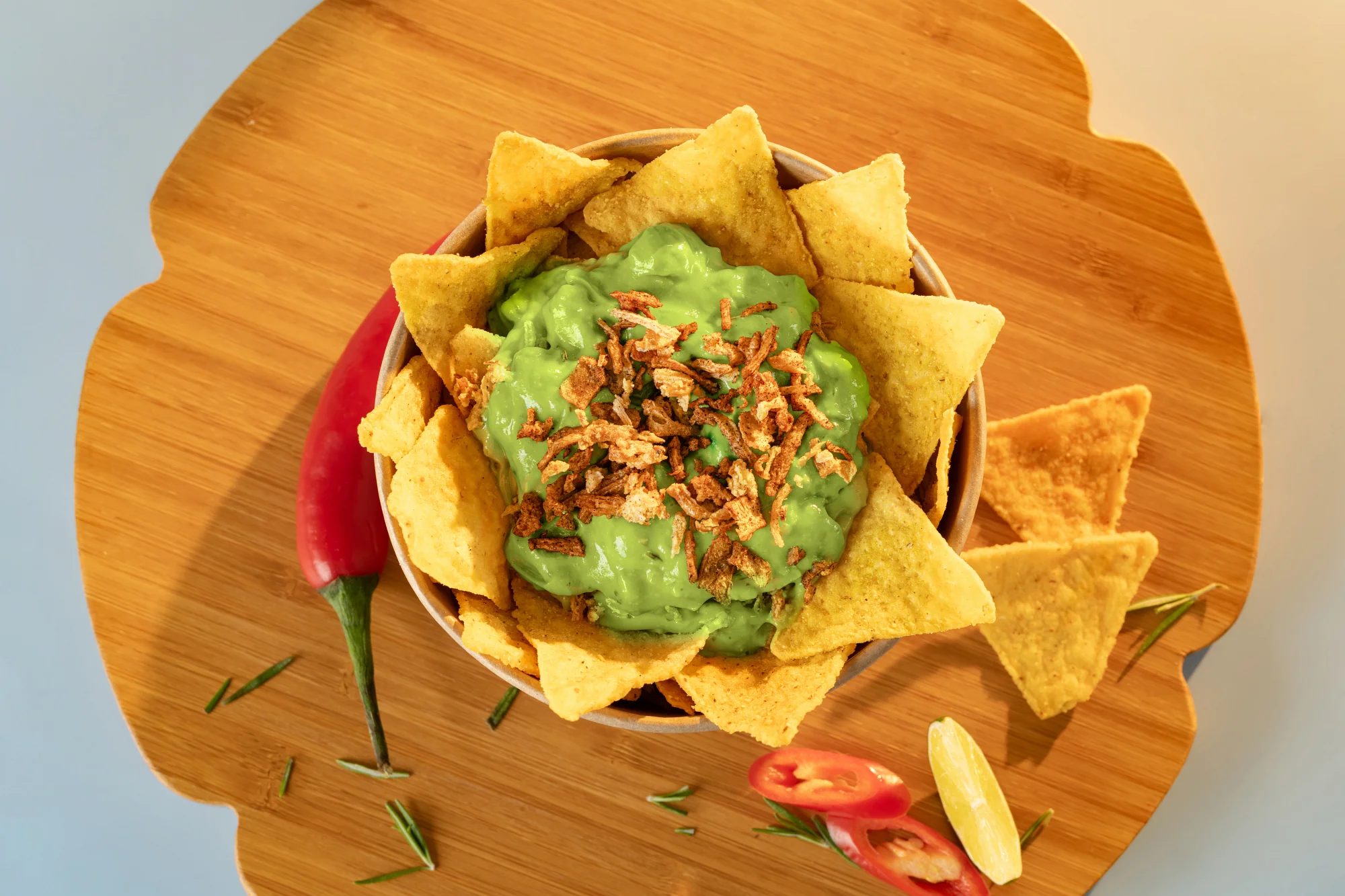
Product photos on Trendyol, Amazon, and Etsy: Which ones should you click on, and which ones should you skip?
Sales on the marketplace begin with the small thumbnail image that appears in search results, even before the product page. First, we show what a correct and incorrect main image look like, and then we explain the shoot setup at the LUX Production Istanbul studio.
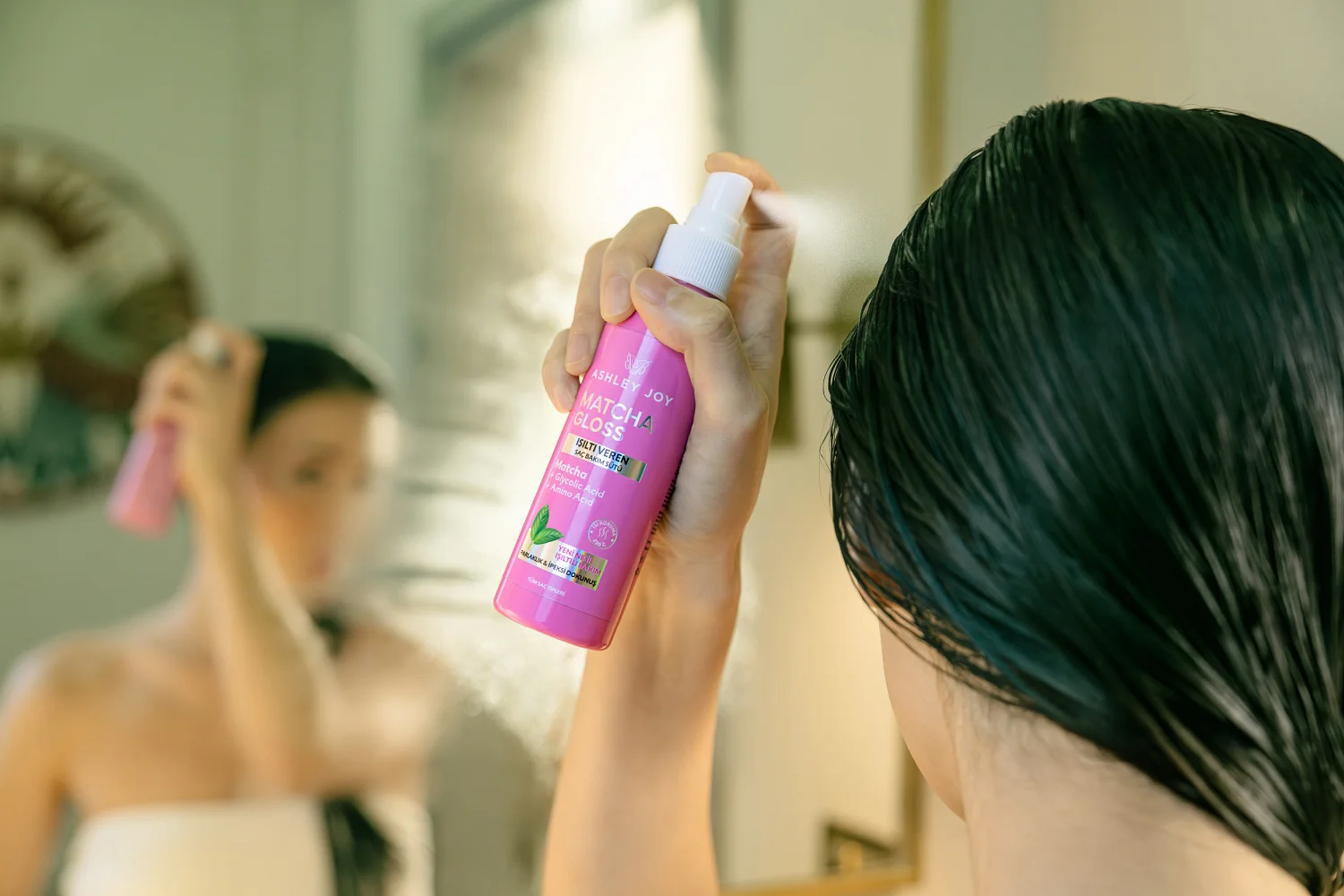
What do the correct and incorrect main images look like?
In the correct main image, a single product is displayed against a pure white background, fills at least of the frame, and has a long side greater than 1600 pixels. In incorrect examples, the product appears small within the frame, text and badges overlap the image, or the background shifts to a shade of gray-white in the 250-tone range.
Things You Can Do Today
- The main image features a single product, a pure white background, and a thin border around the edges.
- Keep the long side over 1,600 pixels; zooming works once this size is reached.
- Shoot all variations using a single lighting setup and a fixed white balance setting.
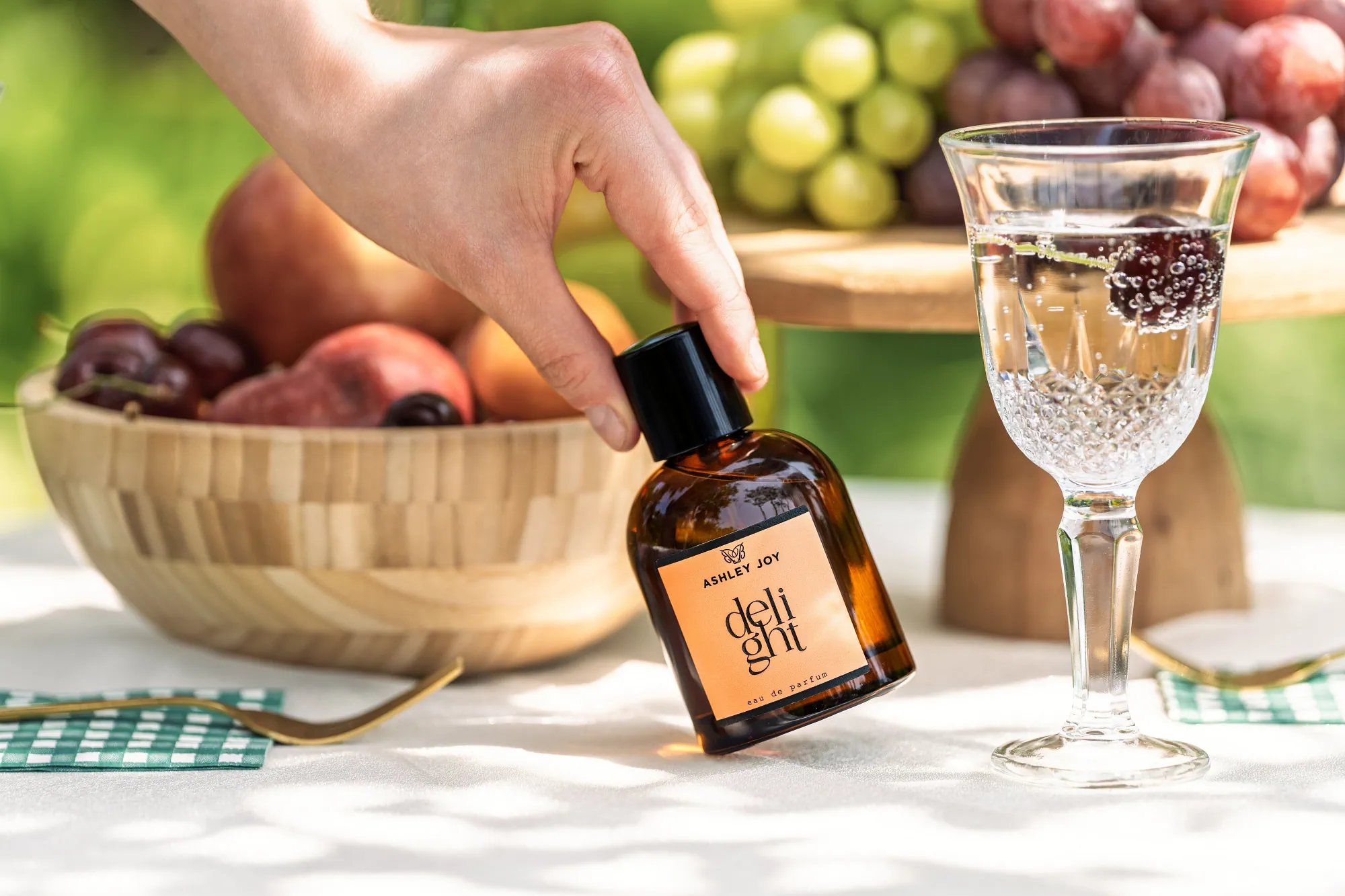
- Include a scale reference: show the product in your hand, on a table, or next to a familiar object.
- Show the contents of the package in a single frame; make sure every item that comes out of the box is visible.
Mistakes That Slow Down Sales
- Add text, a badge, a frame, a watermark, or a logo to the main image.
- Show an accessory or decorative item that is not included with the product in the main image.
- Continuous shooting with automatic white balance; the tones vary from frame to frame.
- Increasing color saturation; a different product comes out of the box, and it gets returned.
- Open the list with a single tap; questions will appear in the message and in the replies.
Every piece in the gallery has its own story
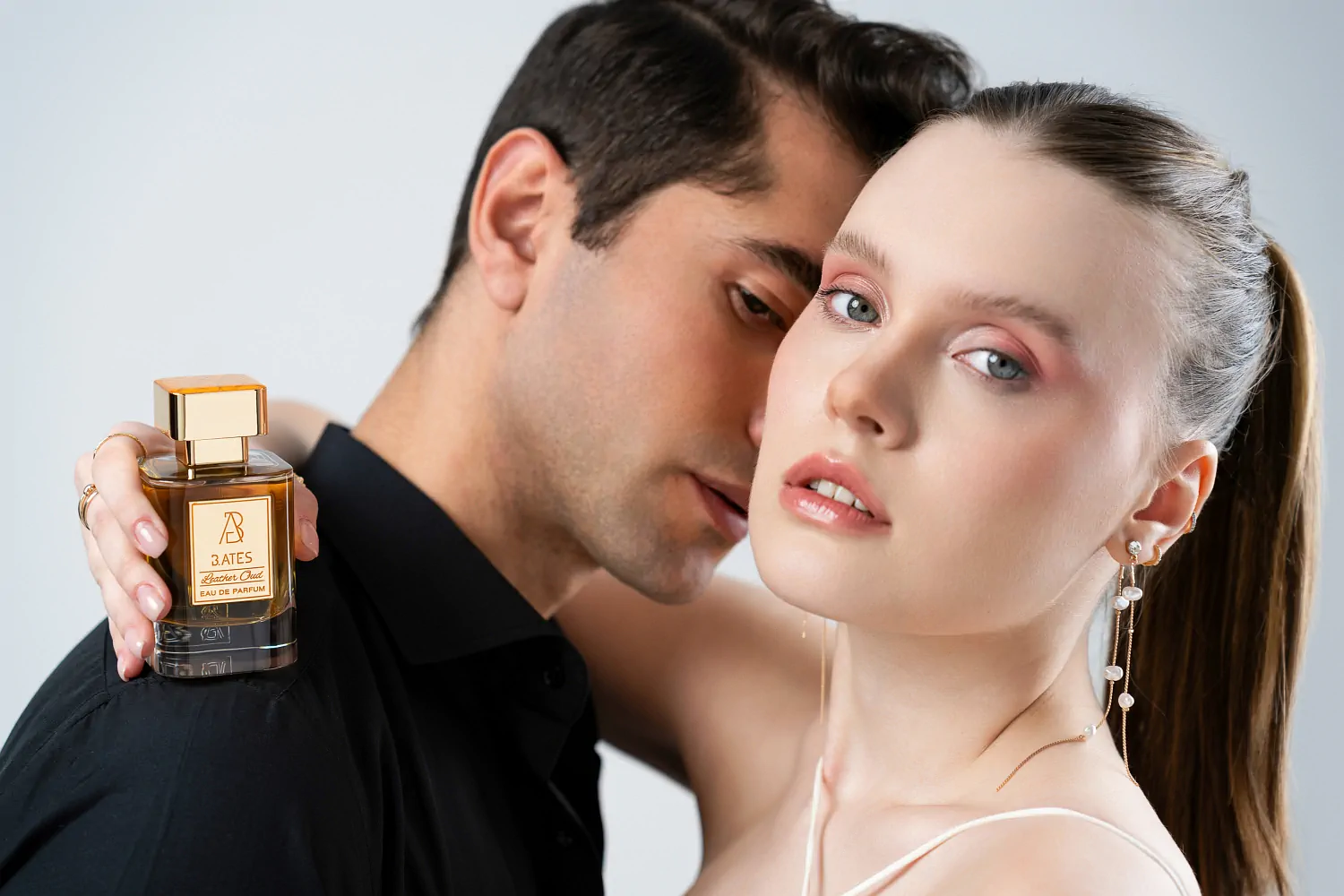
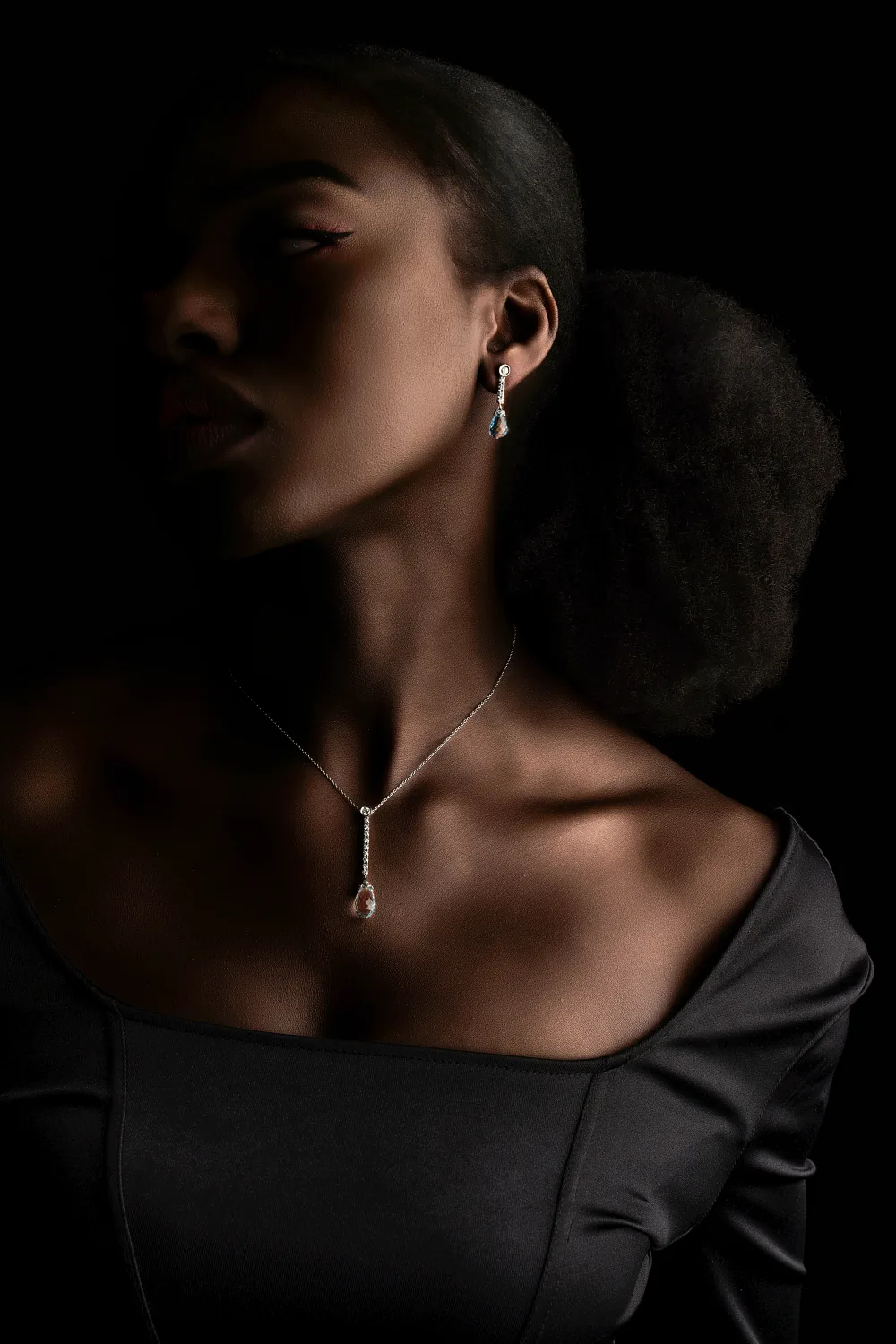
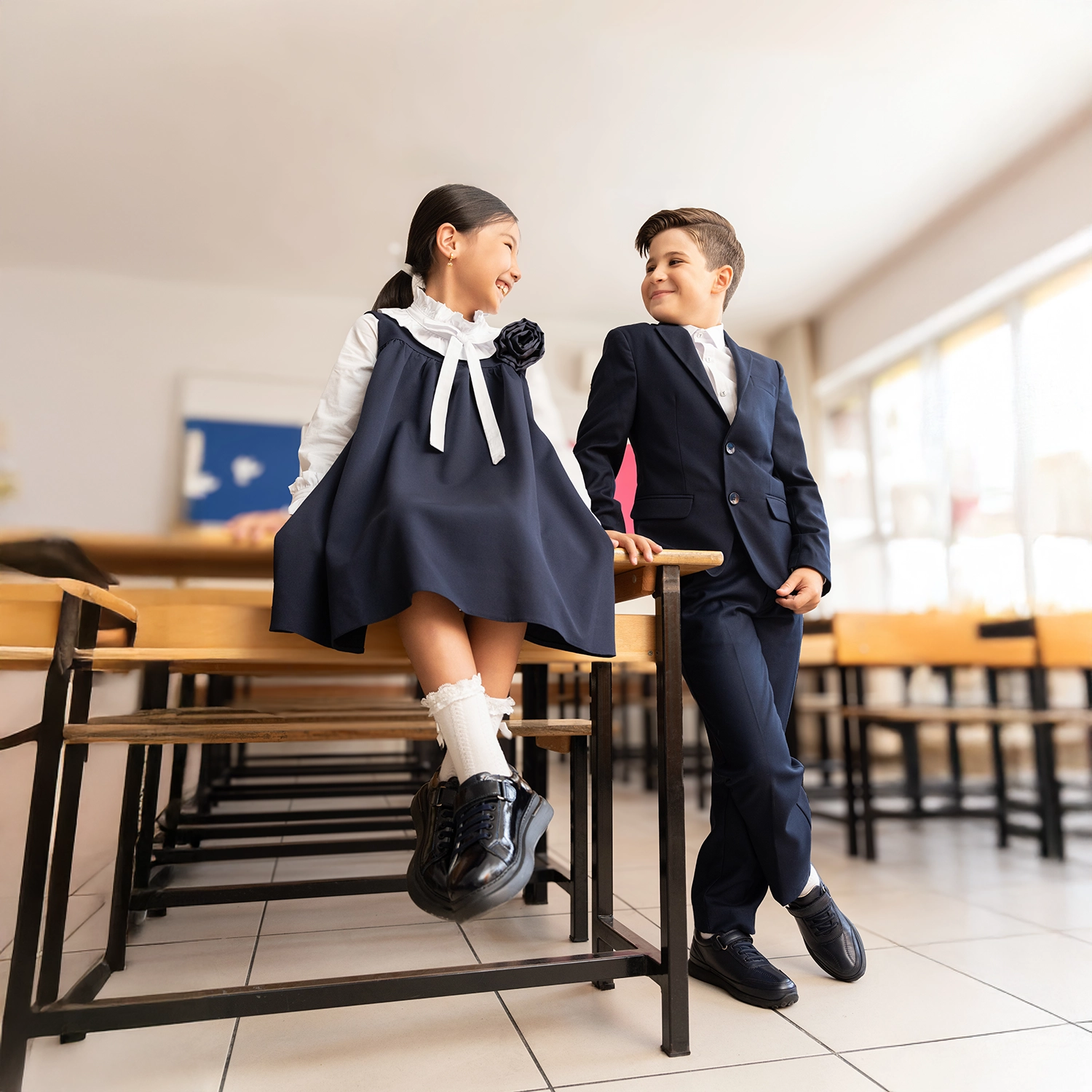
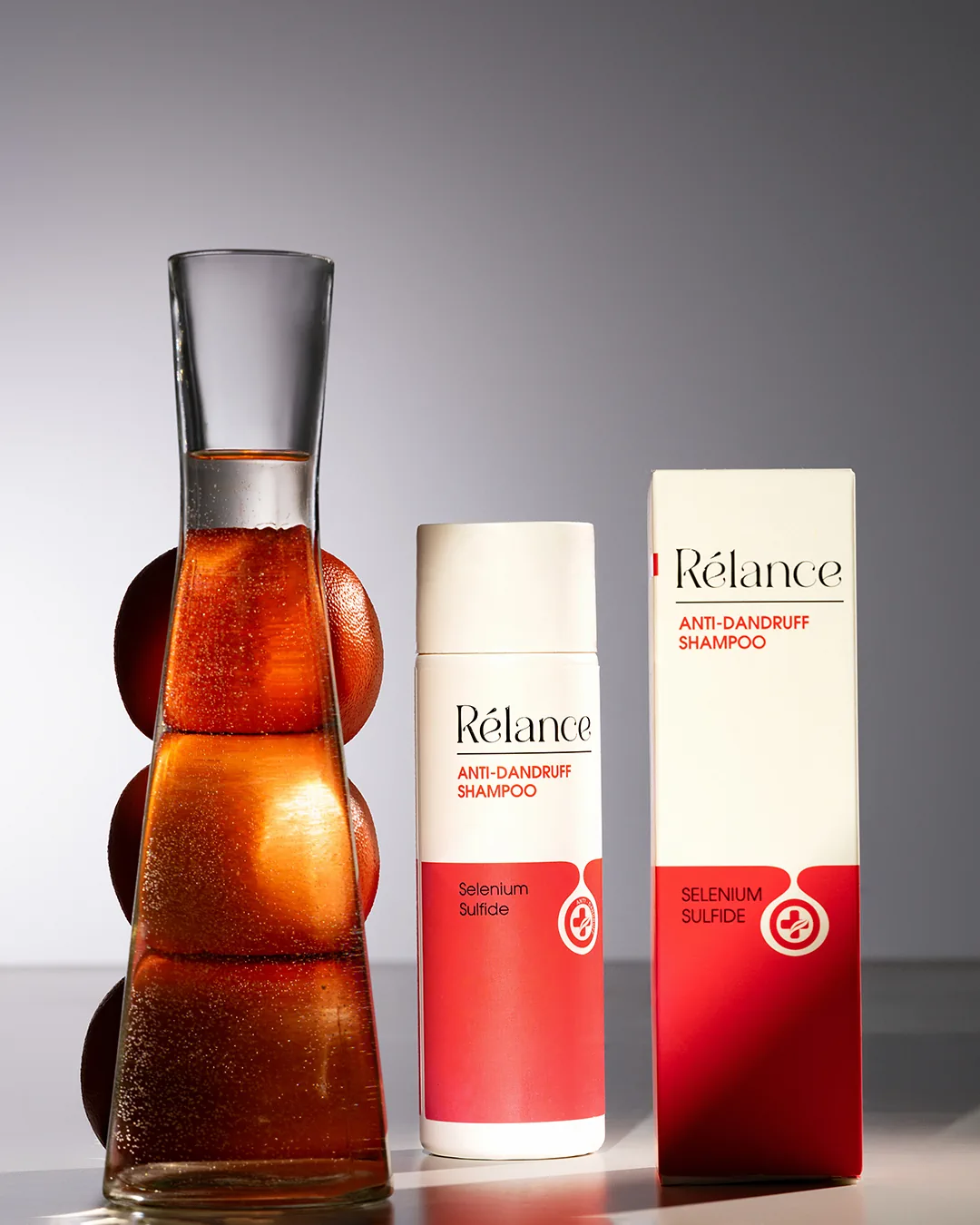
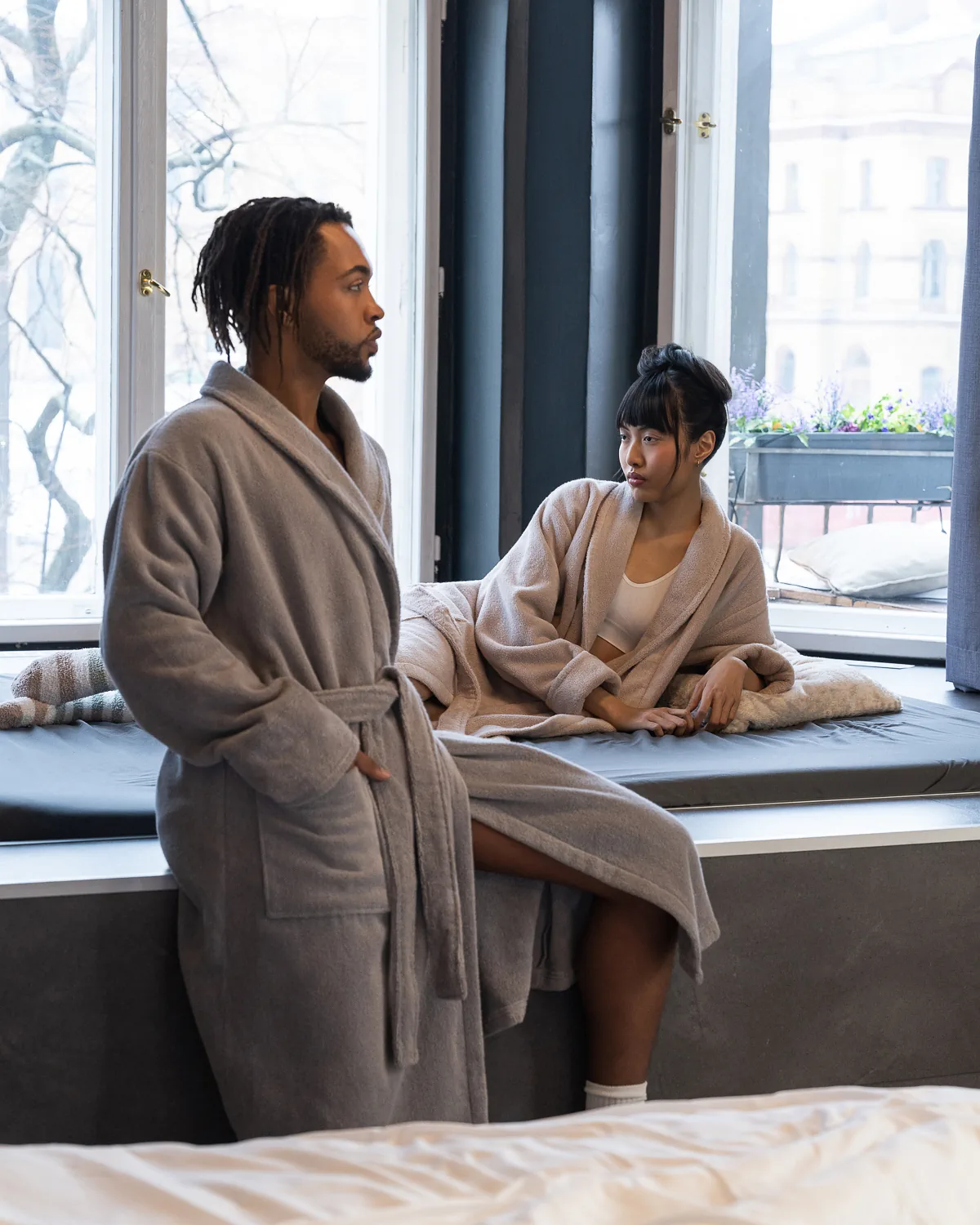
The main image showcases the product, and the following images answer the questions. The three images below were shot in our studio using actual products; each one answers a different question.

Where does poor visual design go wrong?
Three issues: no clicks, clicks that do come in don’t result in cart additions, and purchases that do result in cart additions end up as returns. The first issue is visibility; the second is paid ad clicks; and the third is shipping costs and review ratings.
The listing competes with competitors on the same screen using a single small cover image.
If the product isn’t legible in the thumbnail, that’s where the loss begins. Since the marketplace ranking tracks click behavior, visibility also drops.
If the dimensions, materials, and package contents are not shown in the image, no decision will be made. The cost of the click generated by the ad has been paid.
If the color and scale are set incorrectly in the frame, it will result in return shipping costs, repackaging, and a lower review score.
The diagram shows the flow; the ratios vary by product, category, and price.
Our Product and E-Commerce Photography Portfolio
The brands selling on the marketplace aren’t limited to a single industry. We’ve created product shots—against white backgrounds, with decor, and featuring models—for categories ranging from cosmetics to home textiles, and from food to fashion, all competing on the same platform.
Brands from product, e-commerce, and marketplace photo shoots
Selected brands from our client projects in the fields of cosmetics and personal care, home textiles and decor, food, fashion, and textiles.


































Selected brands from our other customers
A selection of brands from various industries with whom we have collaborated on production and filming projects.














What do people who are using an external photography service for the first time have to say?
From the 386 Google reviews published for LUX Production / Burak Bulut Photography Studio on Google, we selected the reviews that best reflect experiences related to e-commerce, online marketplaces, and product photography.
Professional and great team. We worked with them in both location and studio shootings, and they determined our needs with their expertise and offered quick solutions and suggestions. We entrust all the processes of both decorated and white background shots of our Dreamy Rikka brand for all domestic and international marketplaces with peace of mind. You will definitely not need to look for a different alternative.
“We’re very pleased with their work. They’re a professional, efficient team that delivers the same high quality on every shoot. We highly recommend them.”
“They photographed the product images for our e-commerce company with great care, using professional, high-quality photographers. We didn’t even need to edit the photos—they were perfectly composed right from the start. We were very satisfied with this service, which was the first time we’d outsourced this work. Considering the quality of service this studio provides, their pricing is also very reasonable.”
“We met while conducting research for a product photo shoot. Even though this was our first time using this type of service, we had no trouble explaining what we needed. We received prompt responses to all our requests throughout the process. The service we received was excellent. We highly recommend them for your needs in this area.”
“We worked with this agency on photo and video shoots for our products and were very pleased with the results. We were particularly impressed by their professionalism and creativity during the lifestyle photo shoots featuring models. They also produced exceptionally high-quality work for both our product videos and product photos. They not only accurately reflected our brand’s image but also produced content that supported our sales. I highly recommend them for their work ethic, teamwork, and meticulous attention to on-time delivery. I’d like to thank Simge for managing the entire process so successfully.”
“We worked with Lux Production on our product photo shoots. They’re a fast, meticulous, and creative team. We were very pleased with the results—I definitely recommend them. Thank you! 🌿”
Are the product photos for the marketplace taken in person?
Yes. Every product is physically delivered to our studio in Istanbul. Meryem Aydın prepares the actual surfaces and objects for the product presentation, while Burak Bulut Yıldırım makes decisions regarding lighting and framing on set. The shoot proceeds in three steps: product inspection, set setup, and lighting adjustment.
Reflections on glossy glass and metal, texture on matte surfaces, and color accuracy in packaging are monitored during the shoot. Burak Bulut Yıldırım served as a Sony Alpha Europe Imaging Ambassador from 2018 to 2026. The goal is simple: to ensure that the product you see on screen matches the product that comes out of the box in terms of form and material feel.
Photos, videos, and a white background—all on the same day
If the project scope allows, photo shoots with set design, video shoots with set design, and white-background shoots can all take place simultaneously on the same day. A scope that would otherwise span 2–3 days is completed in just one day; the color scheme and visual style remain consistent across both photos and videos.
Products from various cities in Turkey and from Europe can be shipped to our studio; the selection, feedback, touch-ups, and delivery processes are all handled remotely.
Send us your product list, and let’s work together to determine the scope of the shoot
Please share the number of SKUs, the product category, and the target platforms. Let’s consolidate the requirements for the main image on a white background, detail shots, scale, usage, and video into a single plan. You can start with just one product.
You can also contact us by email: bilgi@luxproduksiyon.com