Scope of ServicesWhat kinds of food and culinary photo shoots do we do?
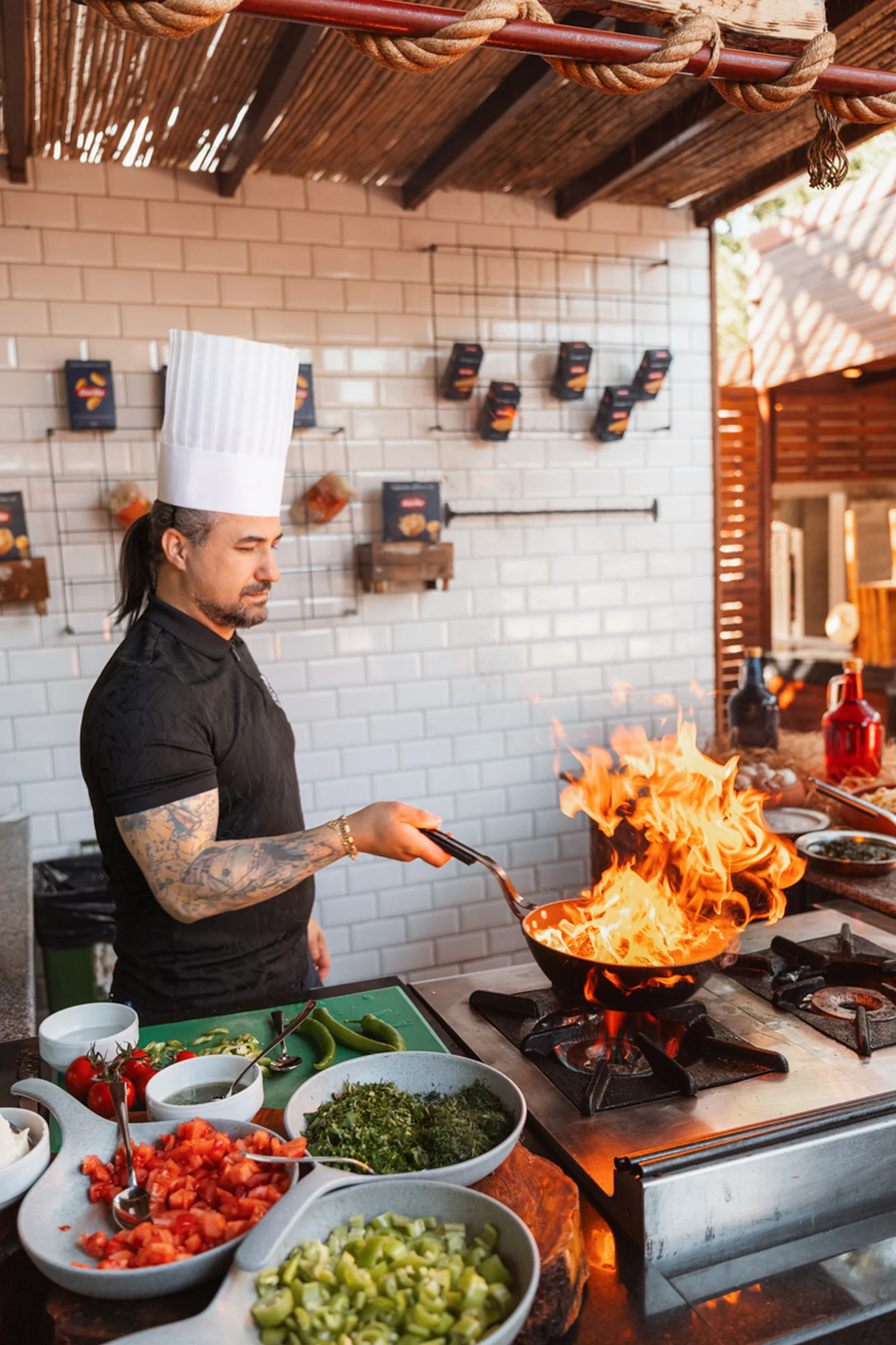
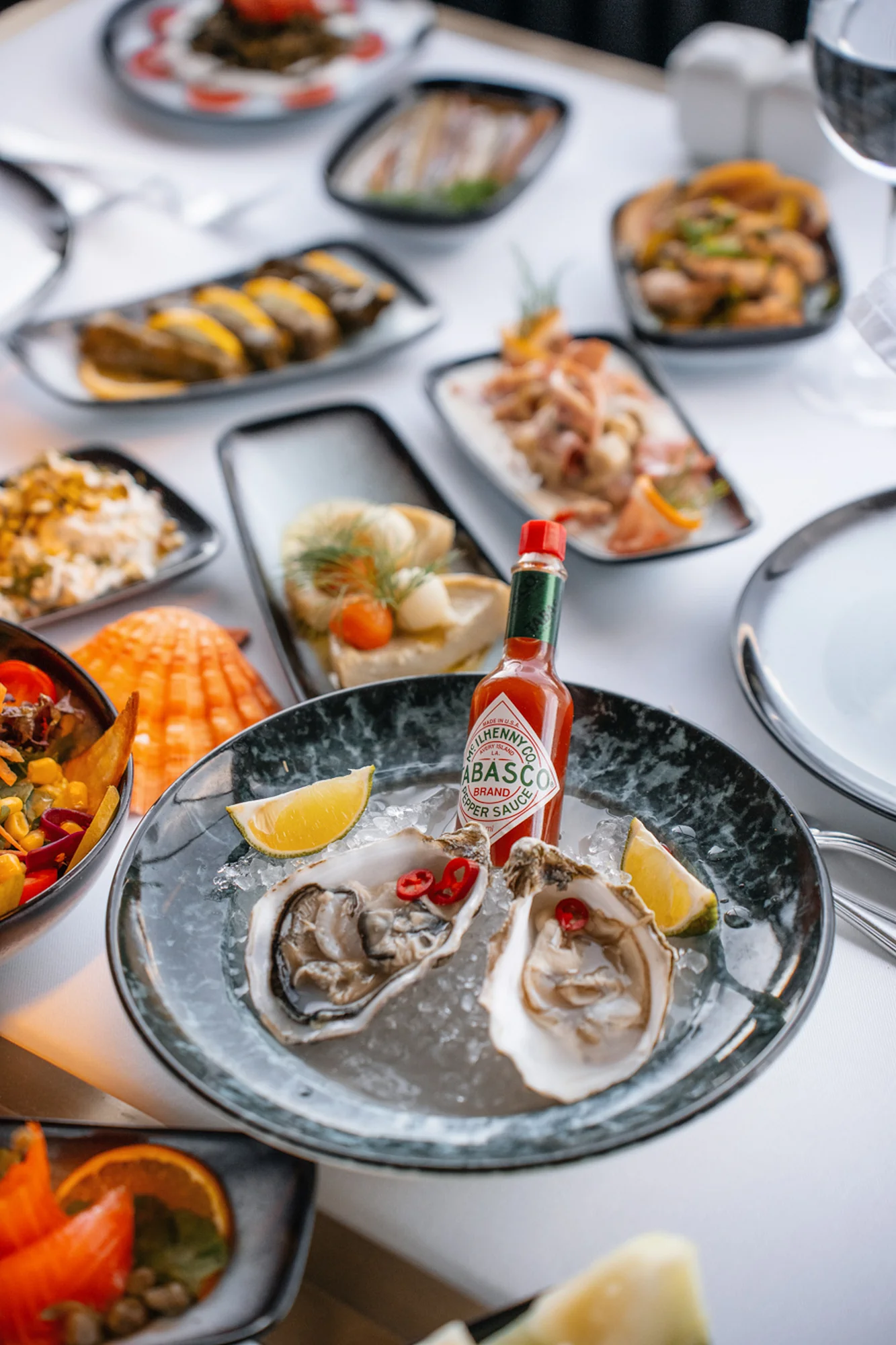
We plan the service in six main categories: restaurant menus, pastries and desserts, packaged food, styled product photography, short video, and restaurant atmosphere. Lighting, preparation, angles and deliverables are determined separately for each category.
If you also need images of the restaurant’s dining room, service area and atmosphere alongside menu photography, explore our Restaurant and Venue Photography service.
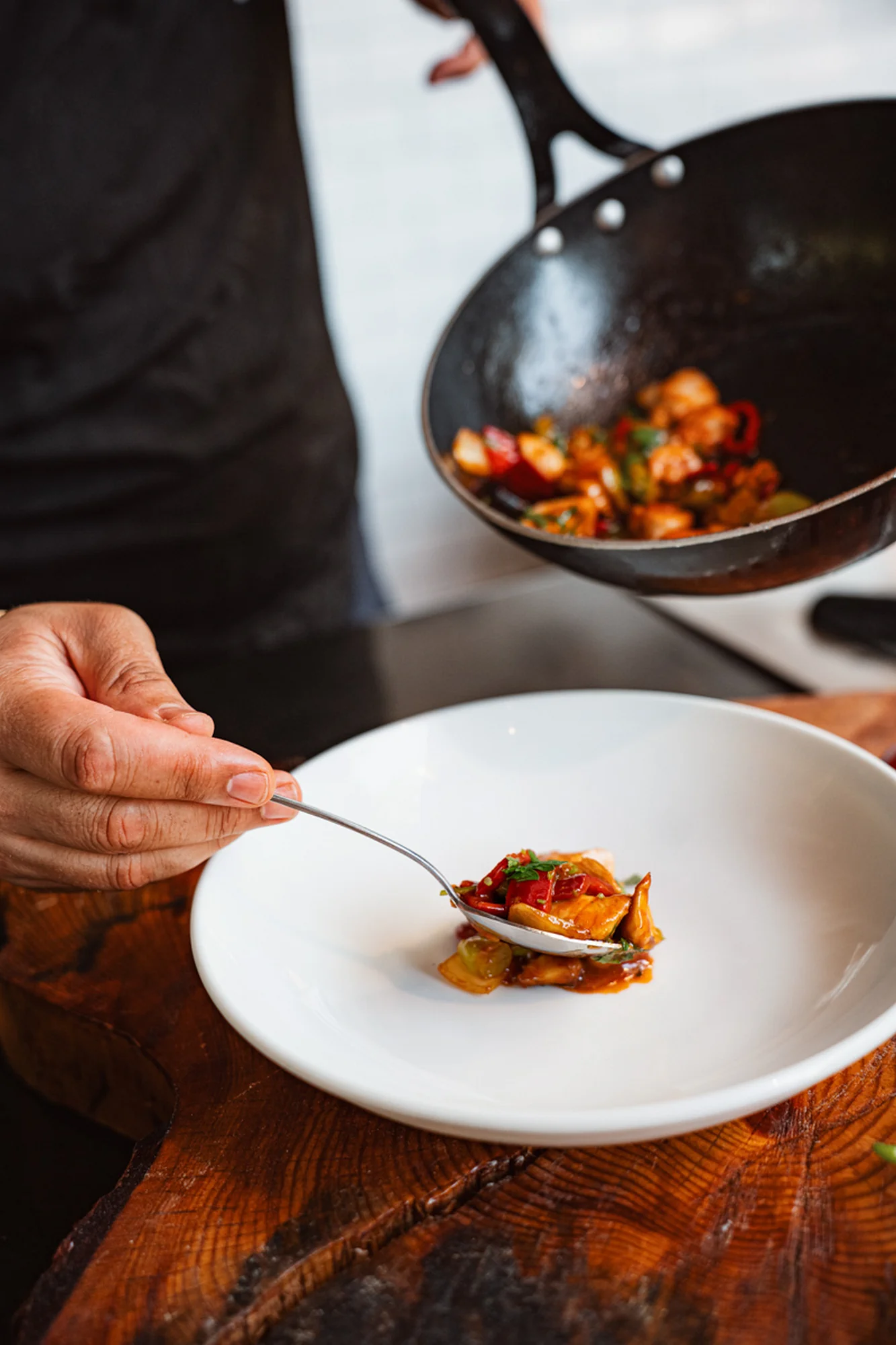
01 · Restaurant MenuHow are plates and portions displayed?
The dishes on the menu are photographed in a way that conveys their actual portion sizes. Clean, easily comparable shots are prepared for takeout, the online menu, and the printed menu.
02 · Bakery and DessertsHow can texture and freshness be preserved?
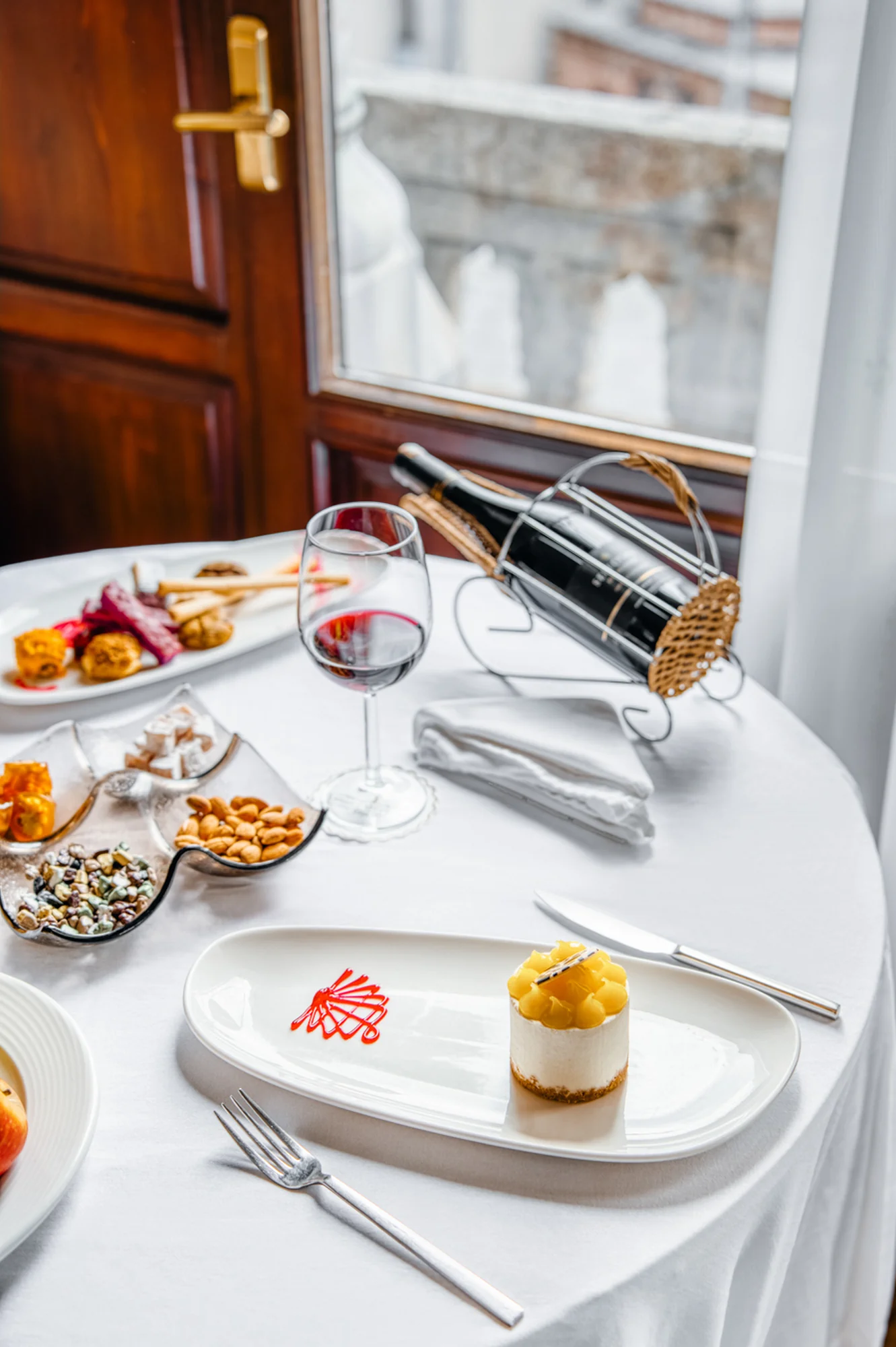
For pastries, desserts, chocolate, coffee, and baked goods, the cross-section, creaminess, shine, crumb texture, perceived temperature, and plate presentation are all evaluated together.
03 · Packaged foodCan the product and the label be read in the same frame?
For nuts, honey, olives, olive oil, canned goods, beverages, and dietary supplements, the legibility of the label is balanced with the product’s appetizing appearance.
04 · Decorative itemHow do you set it up based on the brand?
Plates, surfaces, fabrics, glasses, tableware sets, and natural materials are arranged together in a physical display according to the brand’s colors. The same decorative template is not used for every product.
05 · Videos and ReelsWhat is filmed in video content?
Sauce pouring, flowing drinks, cutaway details, unboxing, serving, product use and table preparation are planned in 9:16 or 16:9 formats.
06 · Setting and AtmosphereHow can you convey the atmosphere of a restaurant?
Table settings, interior, bar, view, pace of service, and staff are filmed in the same production as the food photography.
Bidding LogicWhat factors determine the price of a food photography shoot?
Five main factors determine the price: the number of dishes or products, the type of shoot, the location, set preparation, and the scope of the video. A restaurant menu, a food product against a white background, a decorated promotional image, and video content do not all require the same amount of time or crew.
| Bid line item | Coverage effect | Information You Need to Provide |
|---|
| Meals and number of items | Preparation determines the number of takes, shooting time, the number of final files, and the amount of retouching required. | How many plates, drinks, packaged products, and final visuals do you want?. |
| Applications | Framing and delivery aspect ratios vary for menus, takeout, e-commerce, social media and advertising. | The channels where the images will be published and, if necessary, the platform dimensions. |
| Venue or studio | On-location restaurant photography and in-studio product photography of packaged items require different logistics and lighting setups. | Venue address, kitchen access, prep area, or shipping plan. |
| Set and food preparation | Plates, surfaces, fabrics, tableware, decor, and food styling all influence the scope of production. | Brand colors, sample images, existing service equipment, and the desired atmosphere. |
| Video Scope | The shooting schedule, continuous lighting, camera equipment, editing, duration, and number of takes are planned. | Expectations for Reels, product videos, service videos, unboxing videos, or campaign videos. |
A four-step processHow does a food photoshoot work?
The process consists of four steps: determining the application area, preparing the set, checking on the connected screen, and final delivery. The output format is clarified with the person in charge of each stage before filming begins.
1Applications
Depending on the need—whether for a menu, takeout service, website, e-commerce, social media, or advertising—the required horizontal, vertical, and square aspect ratios are determined.
2Setup
The meal sequence, product family, plate, surface, prop, background, packaging, and video movements are incorporated into the shot list.
3Shooting and Editing
The camera operates when connected to a computer. The frame, focus, labeling, portion size, and lighting are controlled via the large screen during filming.
4Selection and delivery
The selected images are retouched; the files are prepared for use in menus, on the web, on marketplaces, on social media, in catalogs, and in advertisements.
How do retouching and revisions work?
During computer-assisted shooting, we check the framing, focus, and lighting on the screen. The selected frames are delivered after retouching. Corrections related to color, cleanup, and formatting are included in the scope of the project.
Preparing for the shootWhat should you prepare before shipping food products?
Check these 6 points before shipping: clean and complete product, spare units, up-to-date packaging, intended use, sample image, and return preference. Proper preparation reduces product changes and waiting time on the day of the shoot.
Product and Packaging Inspection
- Choose packaging that is undamaged, unsoiled, and from the latest design.
- Please send replacement products for those at risk of melting, breaking, or deforming.
- Check the label orientation, the cap, the expiration date, and the list of variations.
Shipping and Delivery Information
- Describe how the images will be used in menus, e-commerce, social media, or advertising.
- Add the examples you like, the brand colors, and the desired aspect ratios.
- Please indicate your preference regarding the return, storage, or disposal of products after filming.
Physical productionWhat does the Real Set protect in food and packaging?
The physical set preserves the product’s true color, the texture of the packaging, the portion size, and its reflection. Meryem Aydın prepares the background, floor, props, and surfaces for product and campaign shoots in accordance with the brand’s guidelines; Burak Bulut Yıldırım and the video team set up the lighting based on the product’s material.
Reflections are controlled on glossy packaging, glass bottles, and metal containers; for matte, dusty, or textured surfaces, lighting is selected that does not distort the material’s texture. The product, decor, surface, set, and lighting are not generated by artificial intelligence. For motion shots, continuous lighting, a motorized camera dolly, a turntable, macro transitions, focus transitions, and stop-motion options are prepared.
A static set that works in photography doesn’t always work in moving images. For this reason, the video set is designed from the start to accommodate movement; the same physical set appears consistently in 9:16 and 16:9 videos as well as in high-resolution photographs. The product shown on screen represents the product as it comes out of the box.
Three parallel production lines handle set-based video, set-based photography, and product photography against a white background all on the same day under a unified art direction.
Track 1 · Animated videoContinuous lighting, rotating turntable, motorized camera movement, macro shots, and vertical or horizontal editing.
Line 2 · Decorative photoBrand-specific physical set, controlled reflections, texture highlights, and campaign shots.
Line 3 · White backgroundConsistent perspective, color, scale, product family, and file standards for e-commerce.
Technical ApproachHow do you choose the lighting and angle for a food photo shoot?
The angle is chosen based on the product’s structure: from above for pizza and table settings; for burgers, bottles, and cake slices, a lower angle may be more effective. The lighting should highlight the texture, sheen, and sense of warmth without making the food look dry.
The shoots utilize the latest professional Sony camera and lens systems, along with controlled lighting and color management. Burak Bulut Yıldırım has served as a Sony Europe Imaging Ambassador since 2018.
Related servicesWhat filming services can be added to the project?
What information should you submit for the proposal?
Please send us the number of meals or products, the intended use, the shooting location, the required number of photos and videos, sample images, and delivery specifications. Let’s work together to fill in any missing details and determine the exact scope of production.