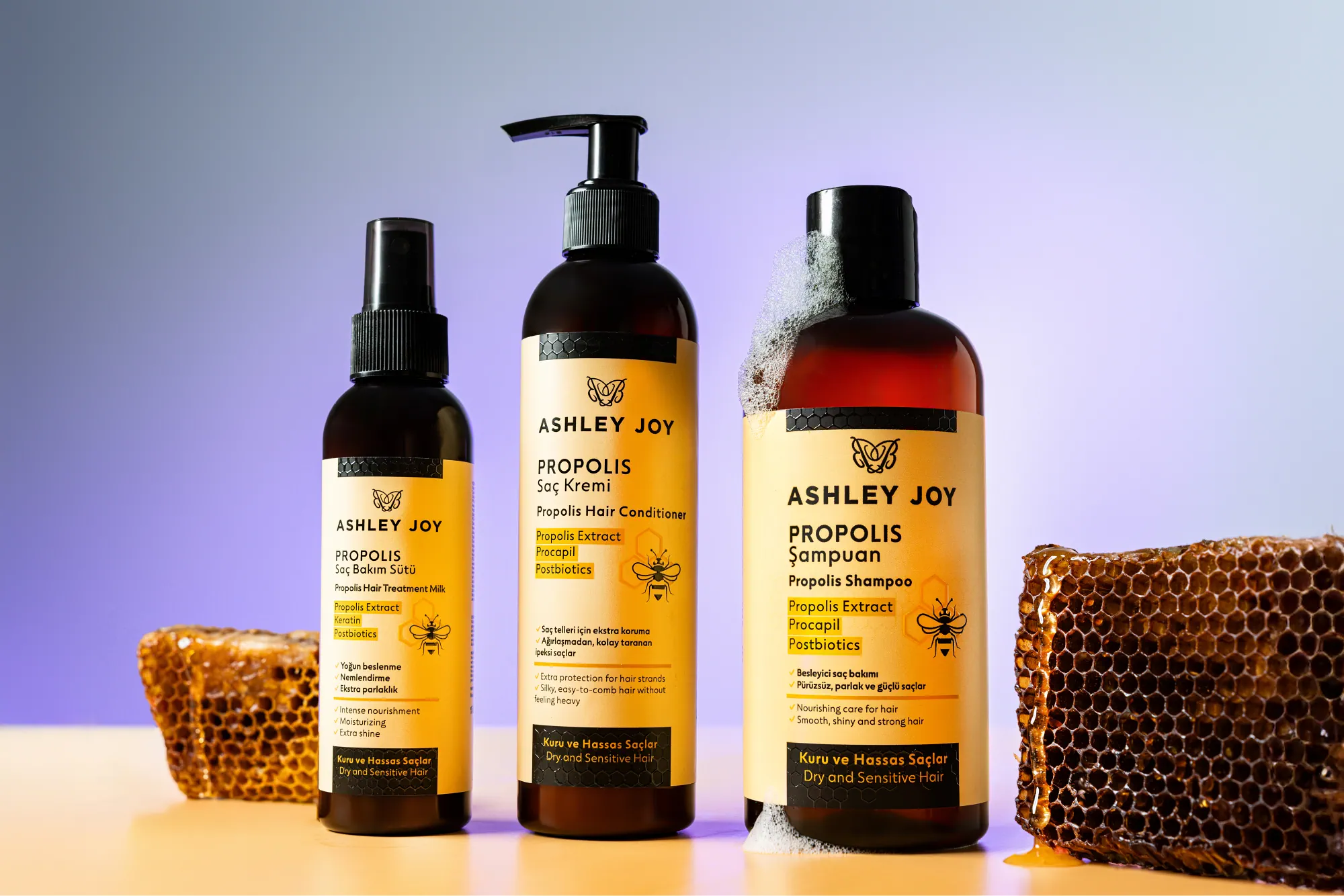
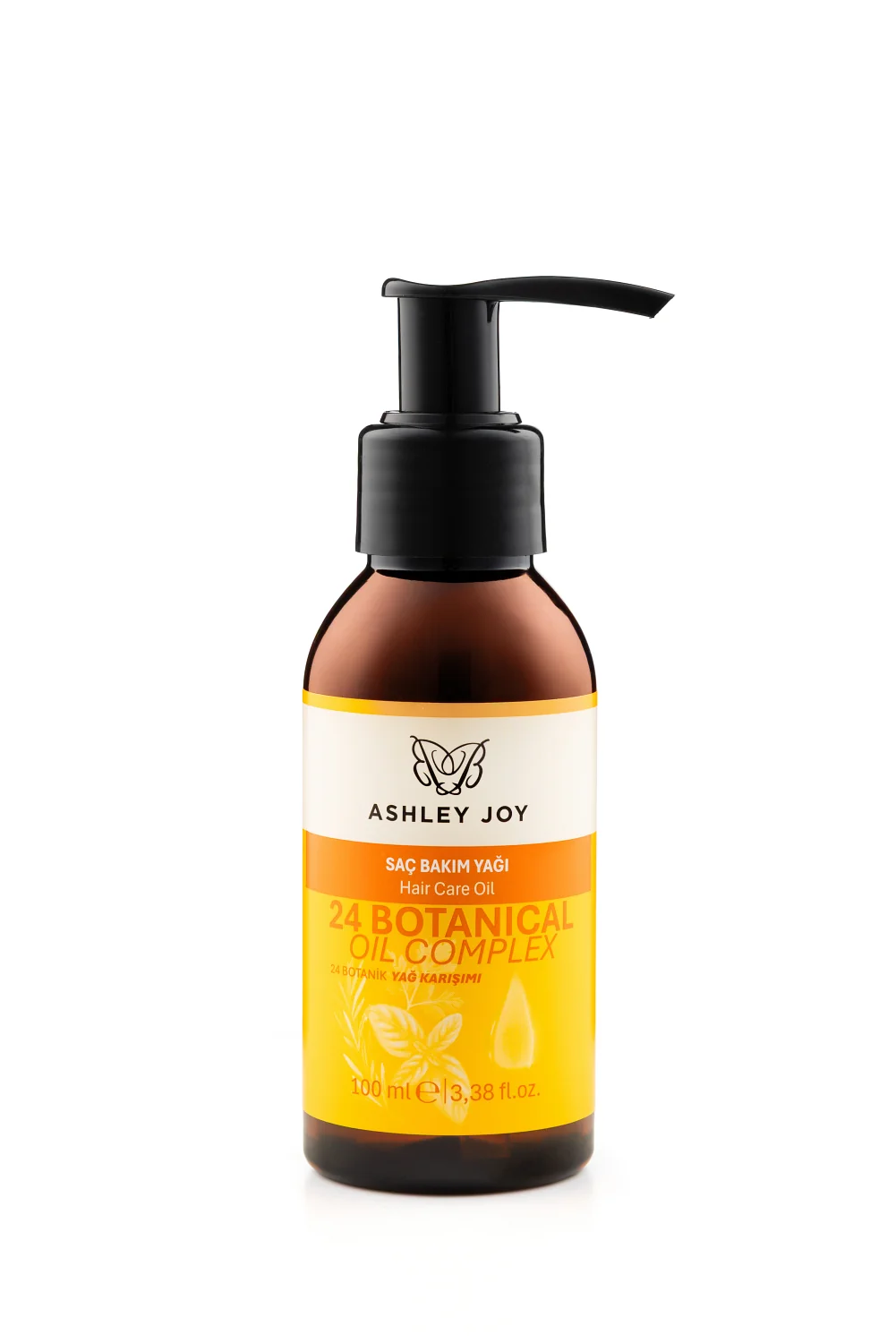
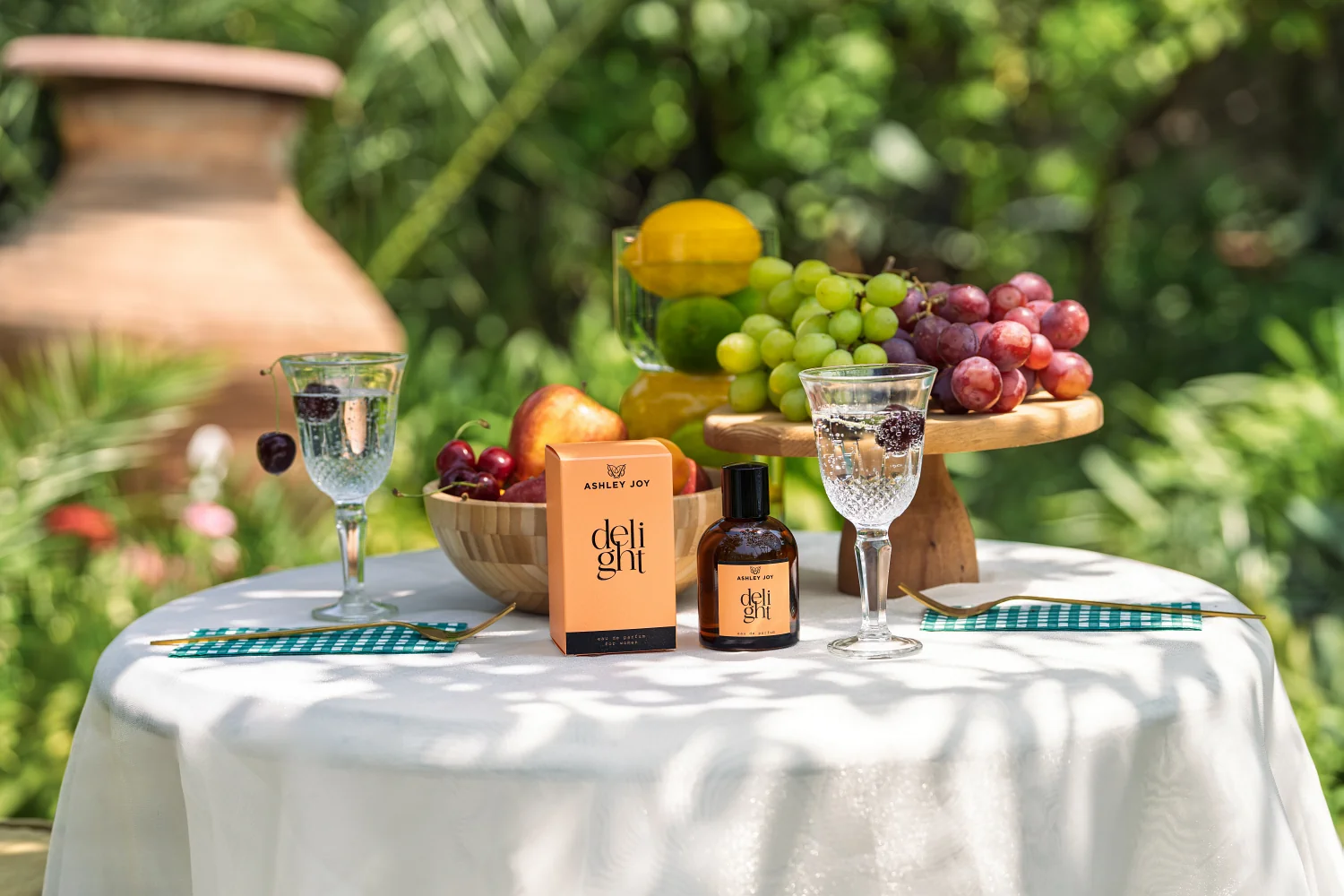
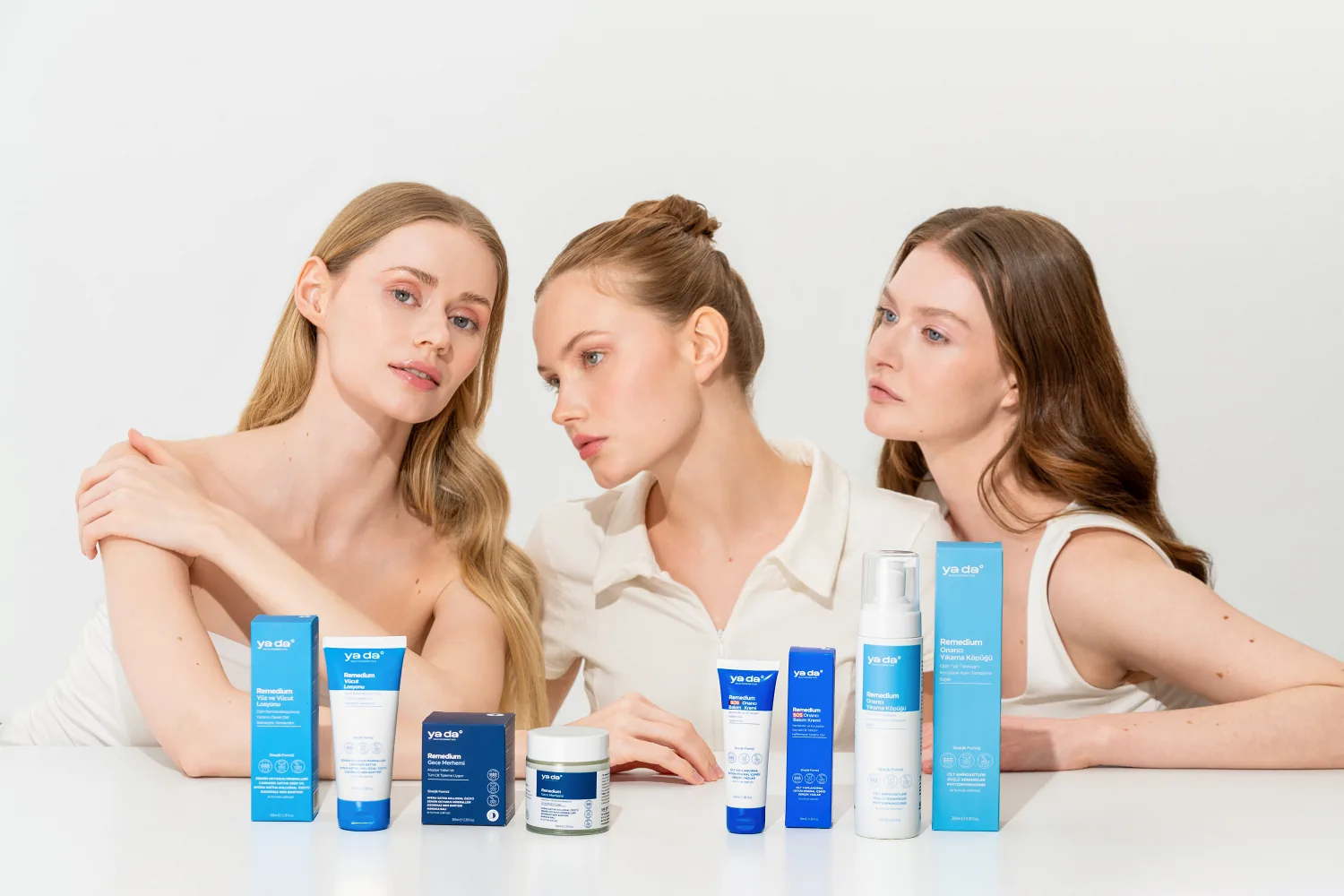
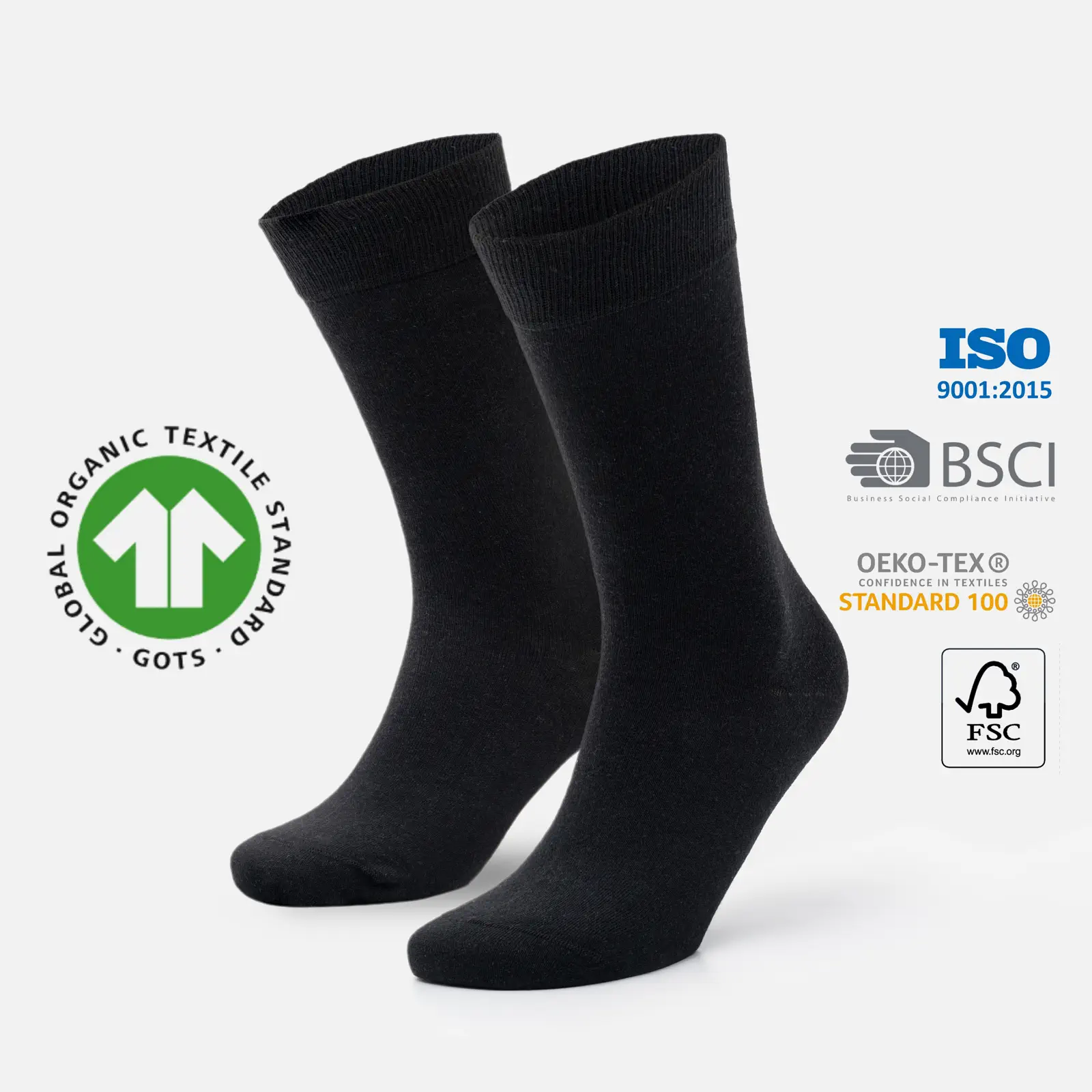
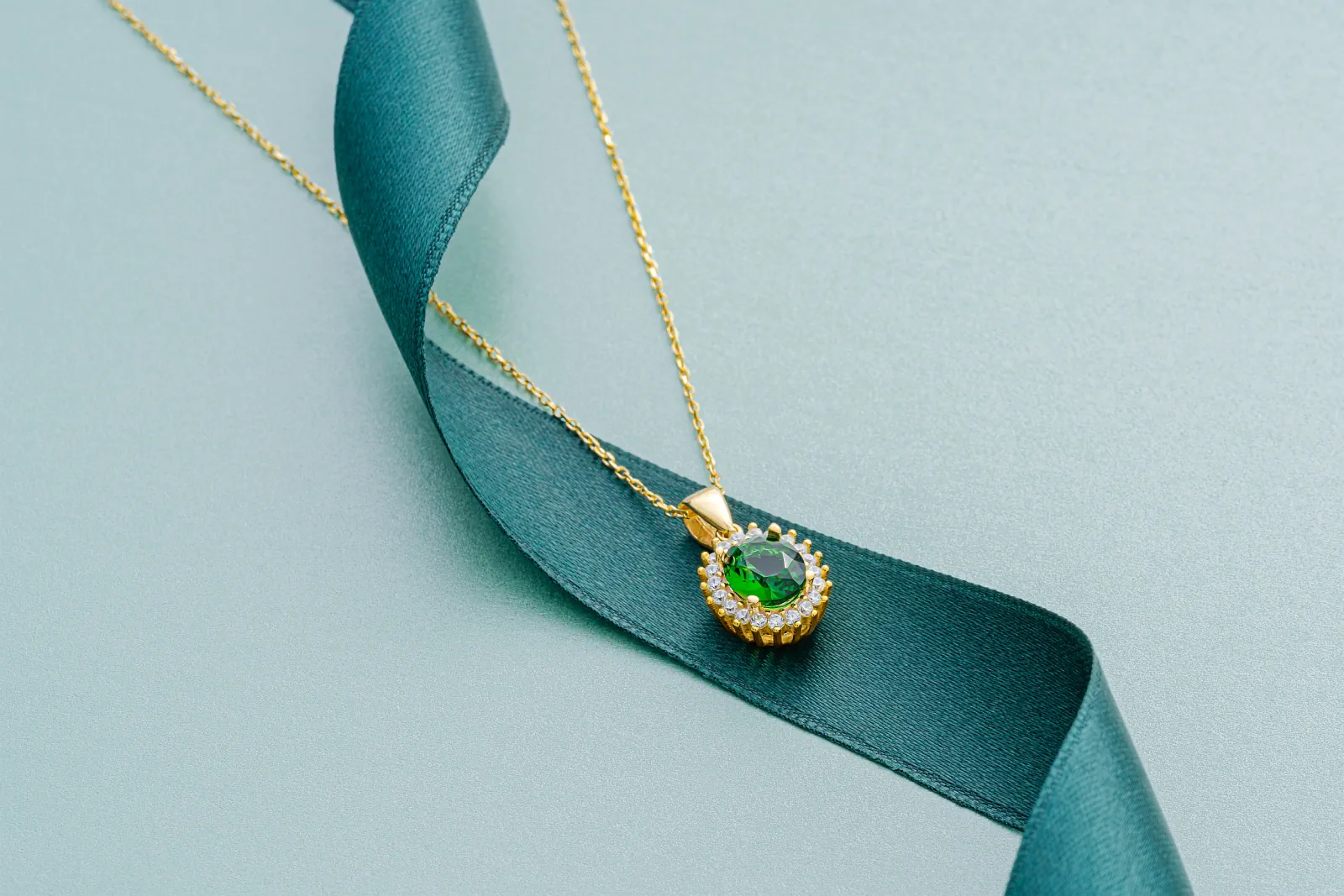
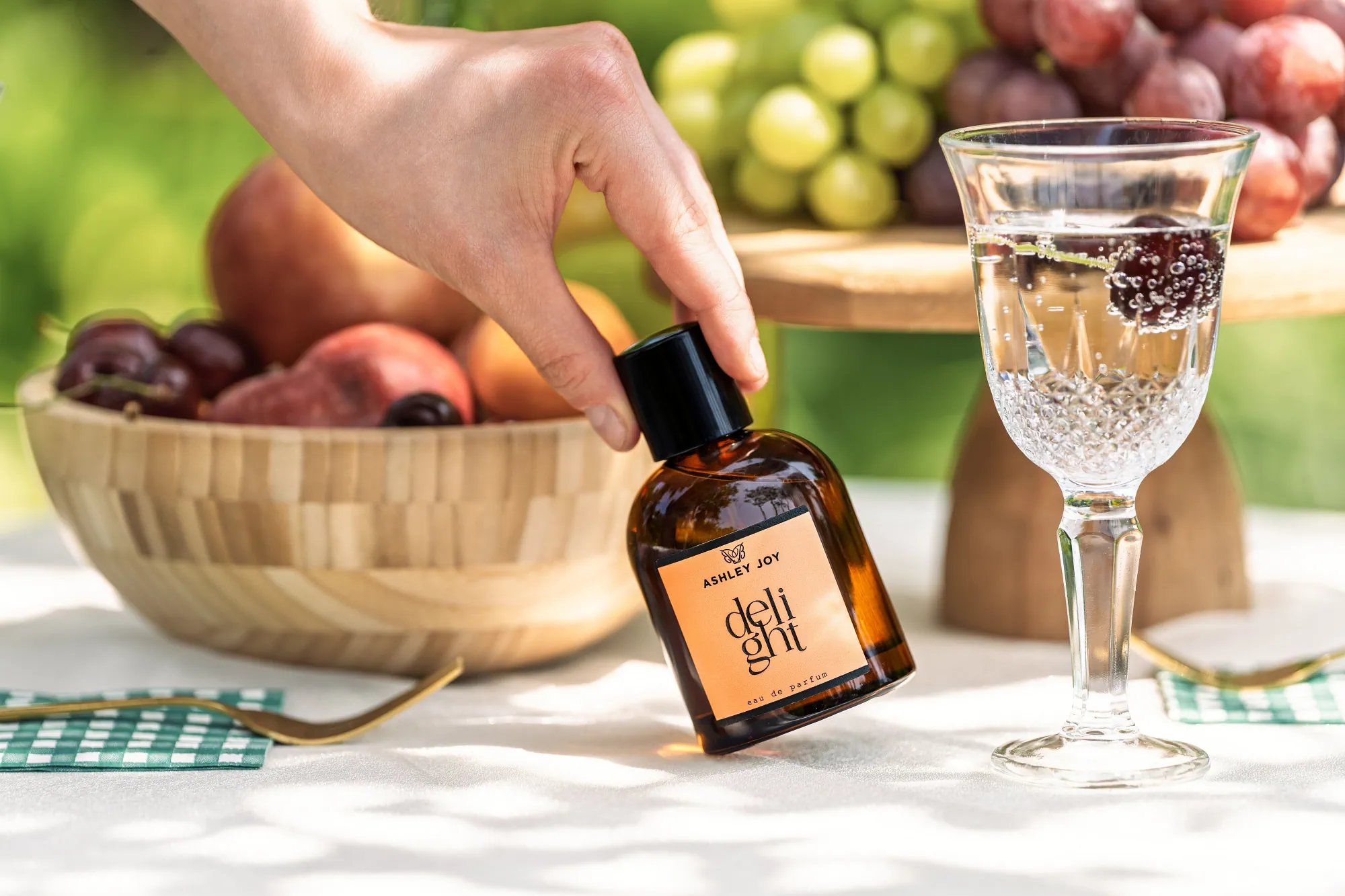
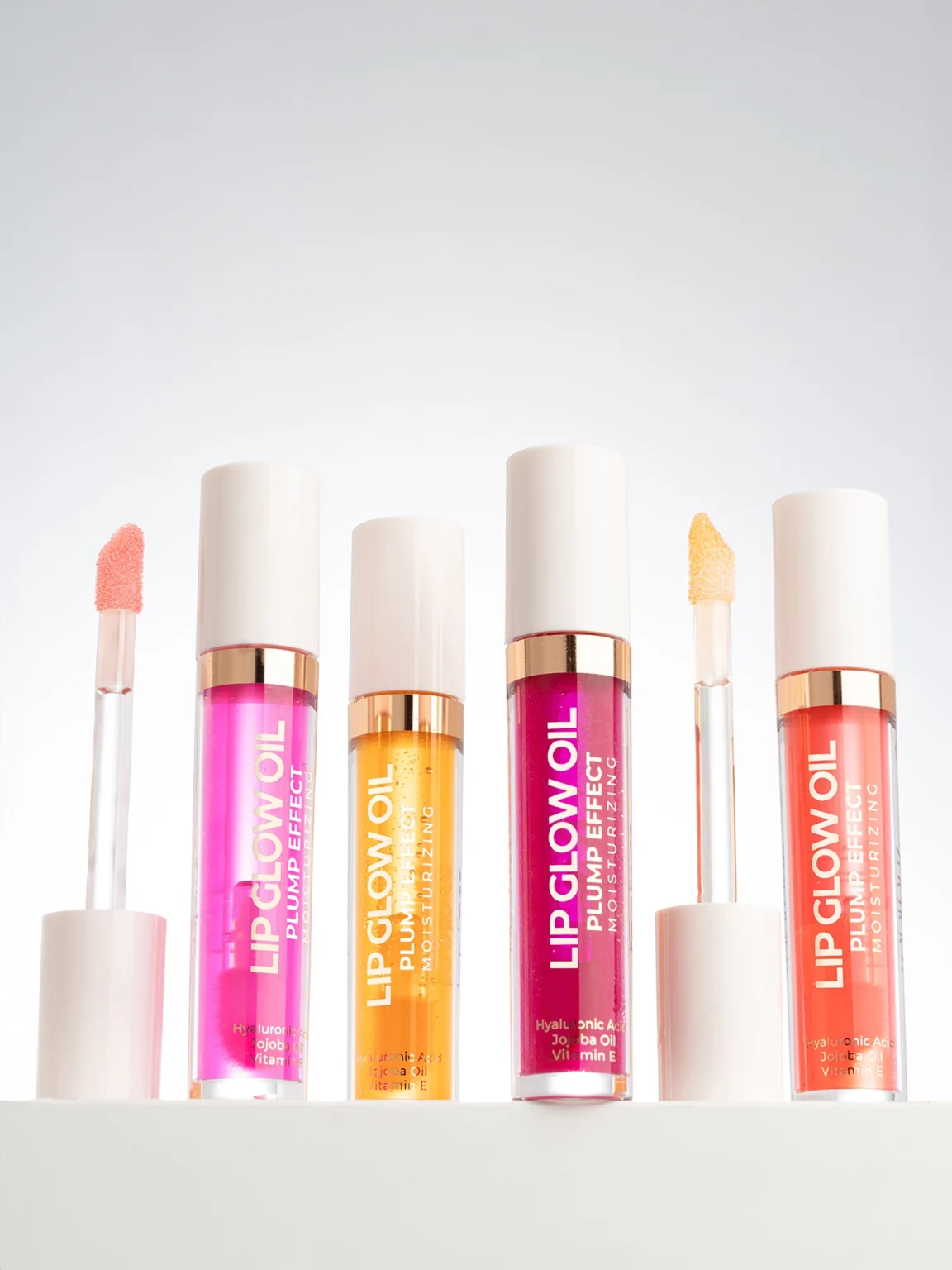
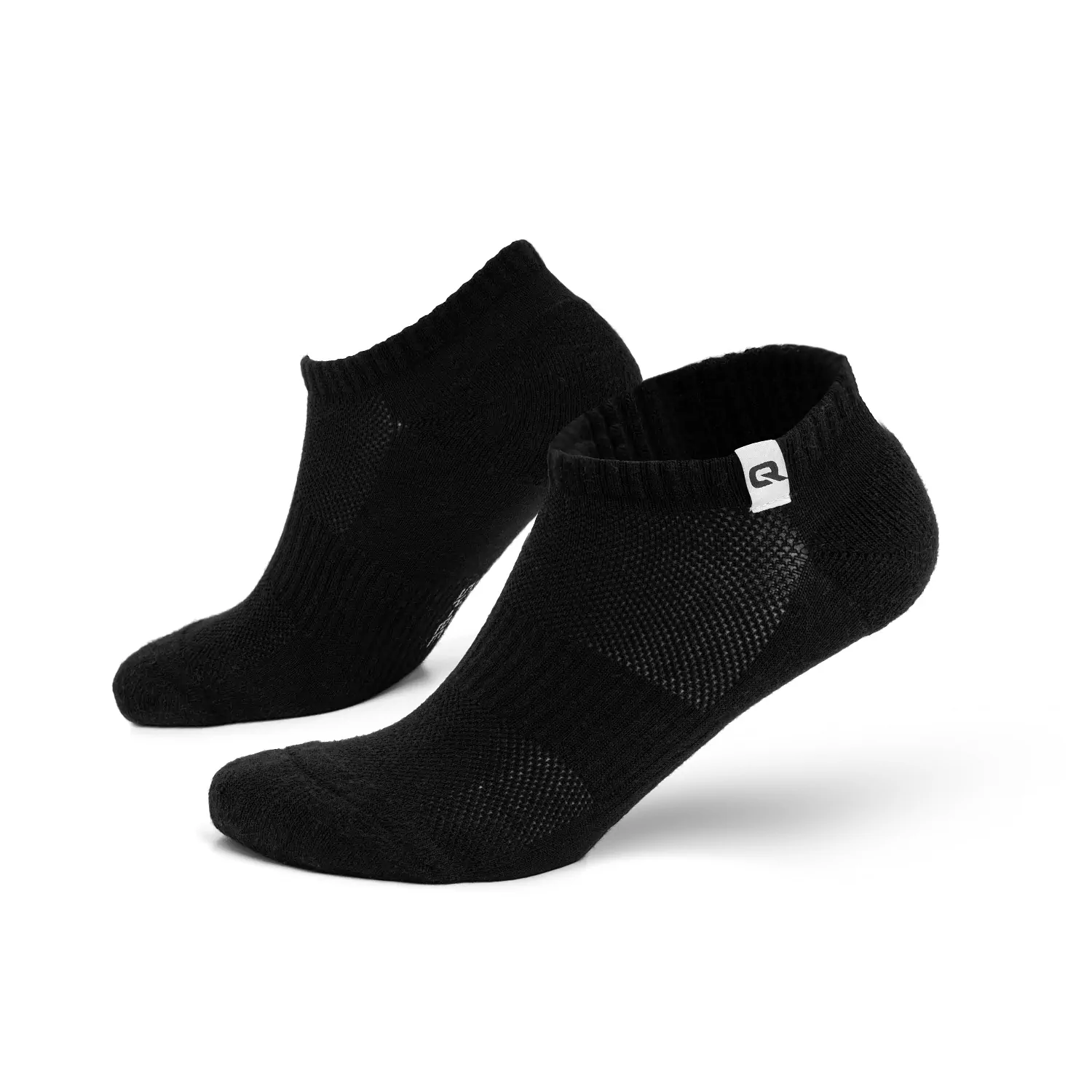
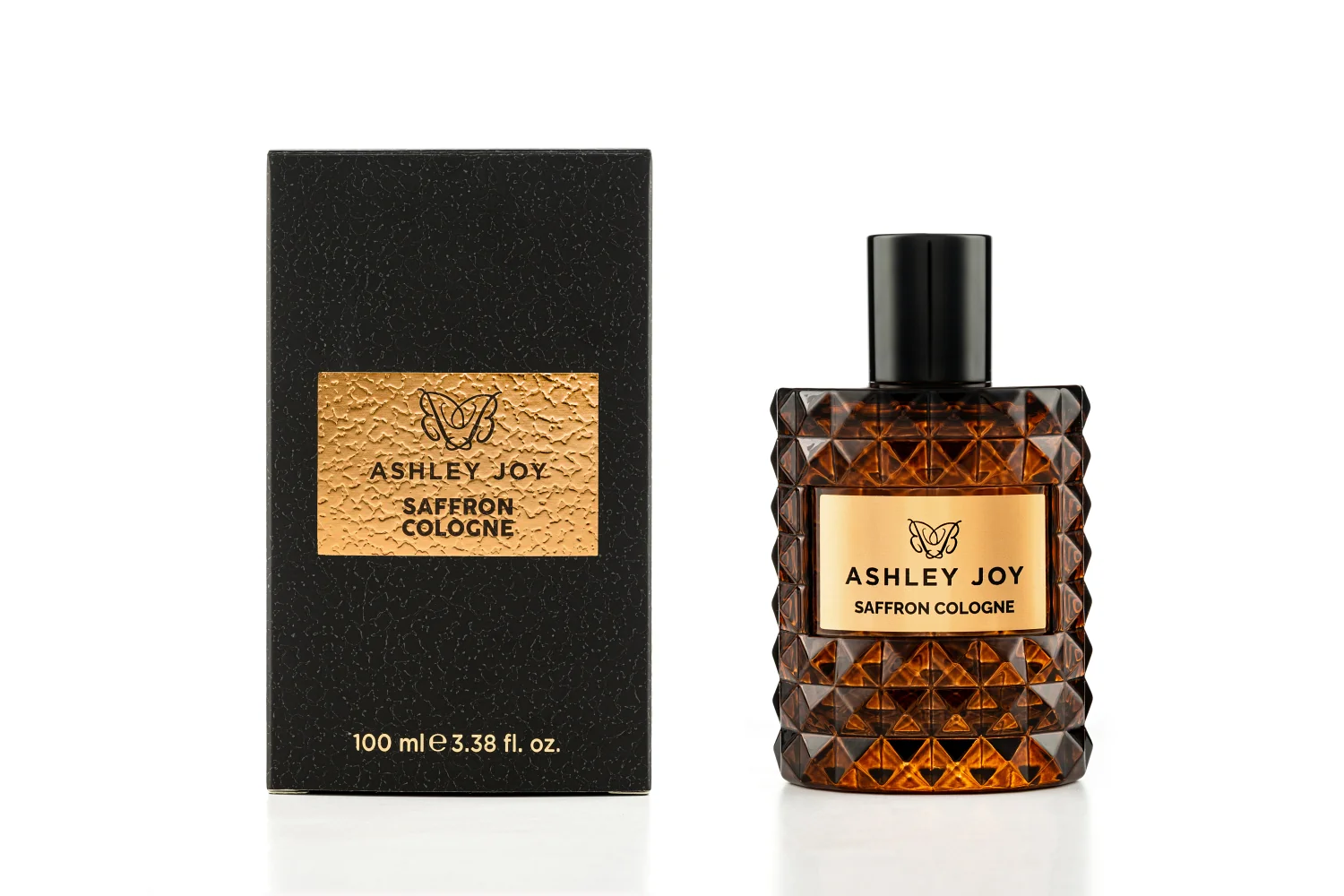
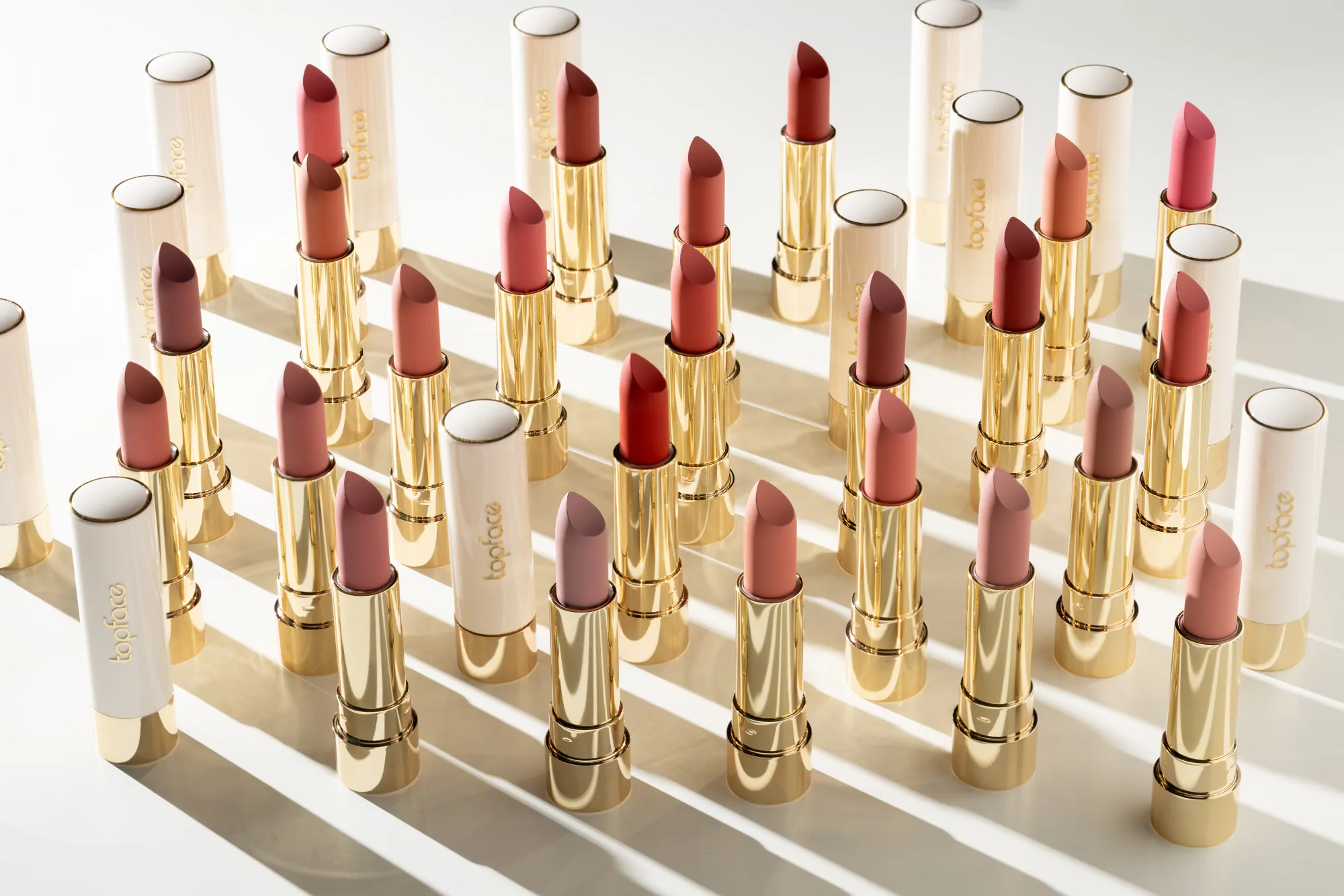
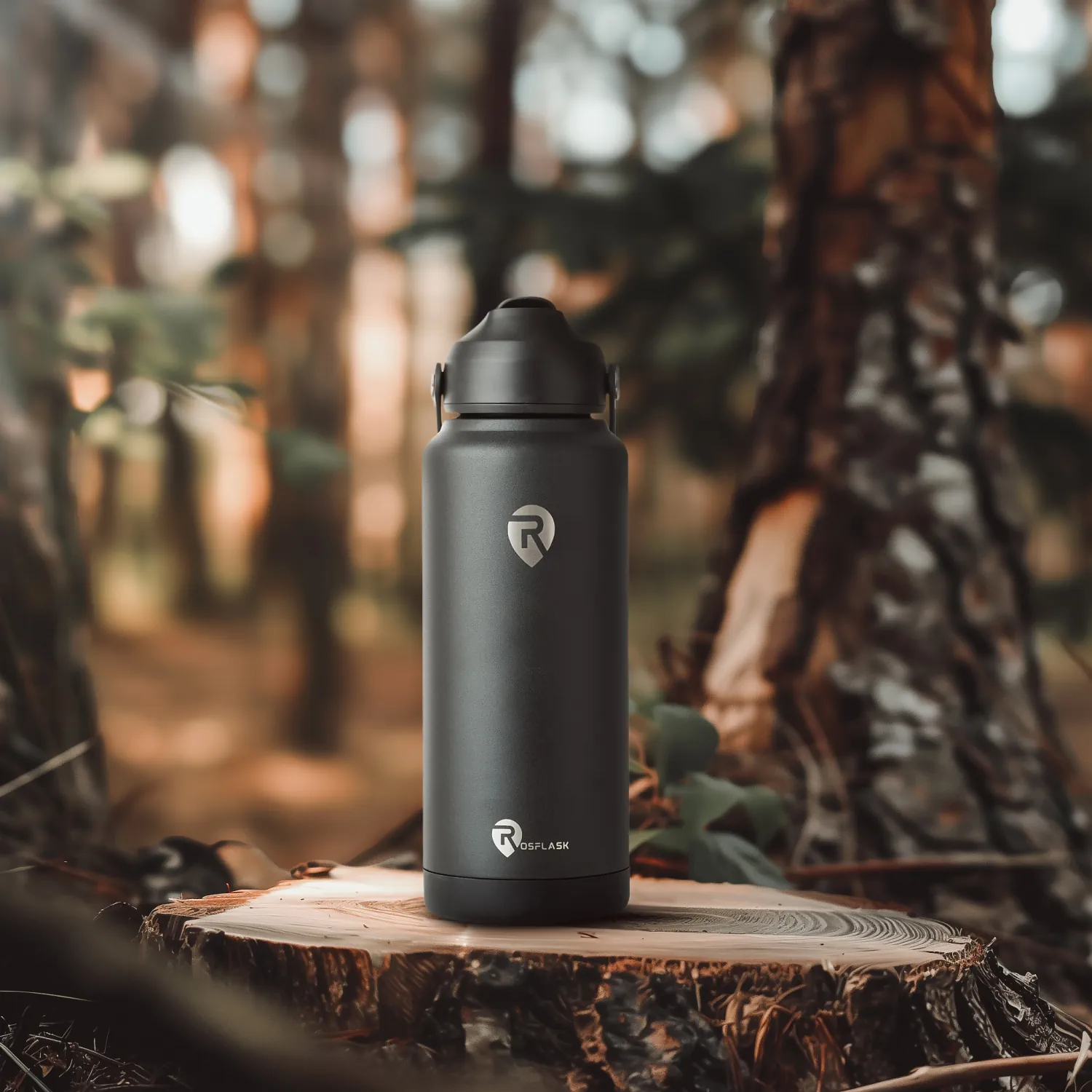
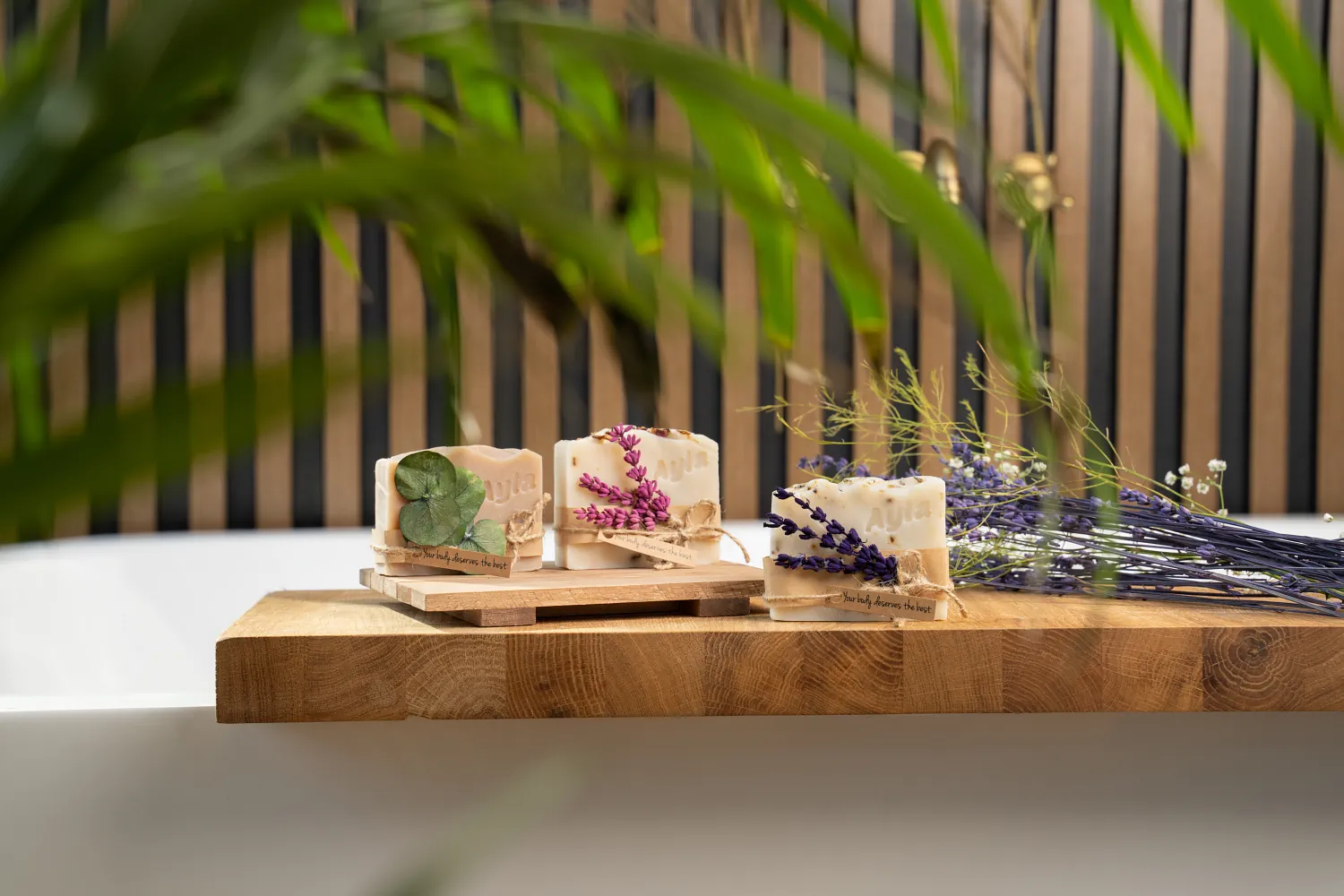
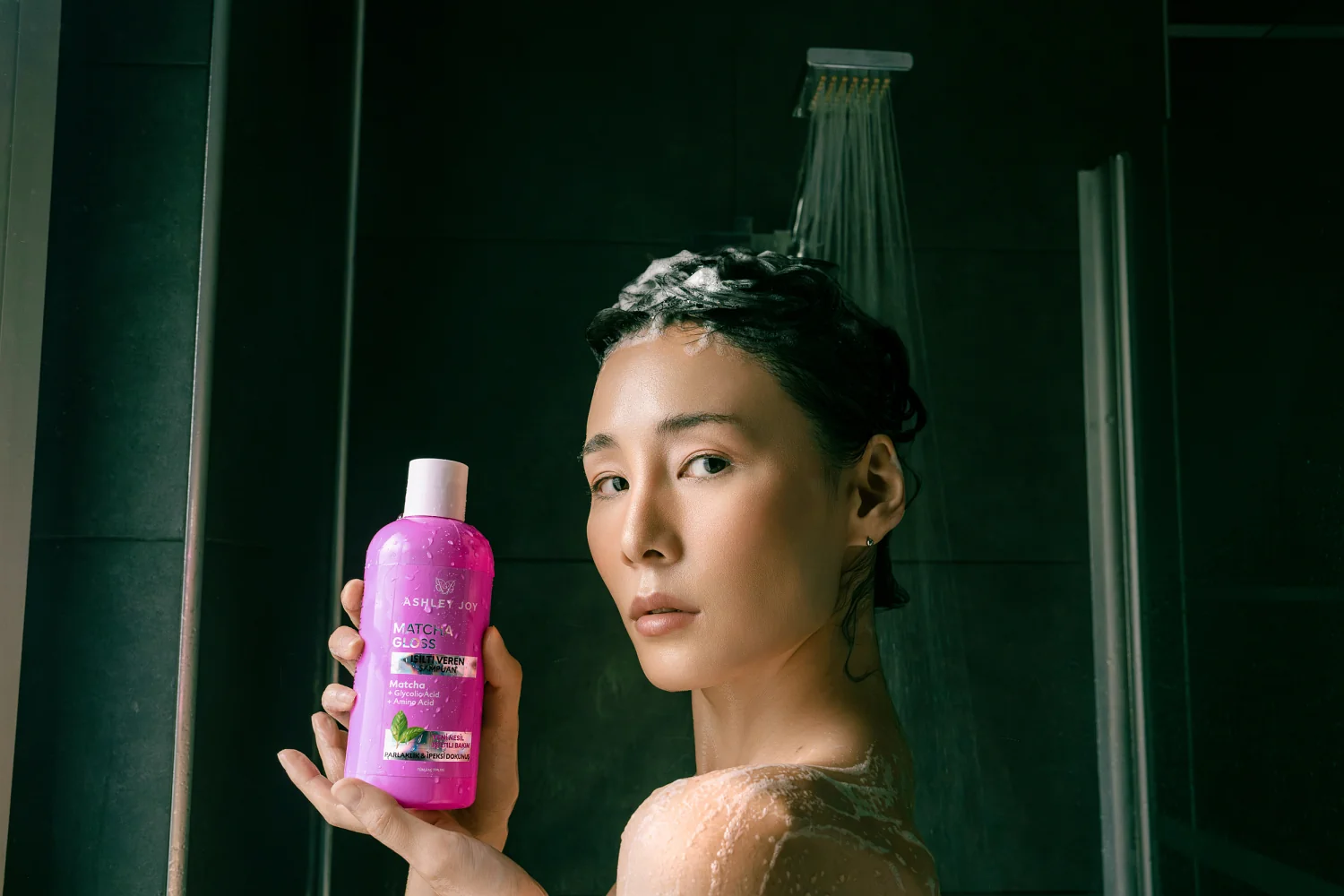
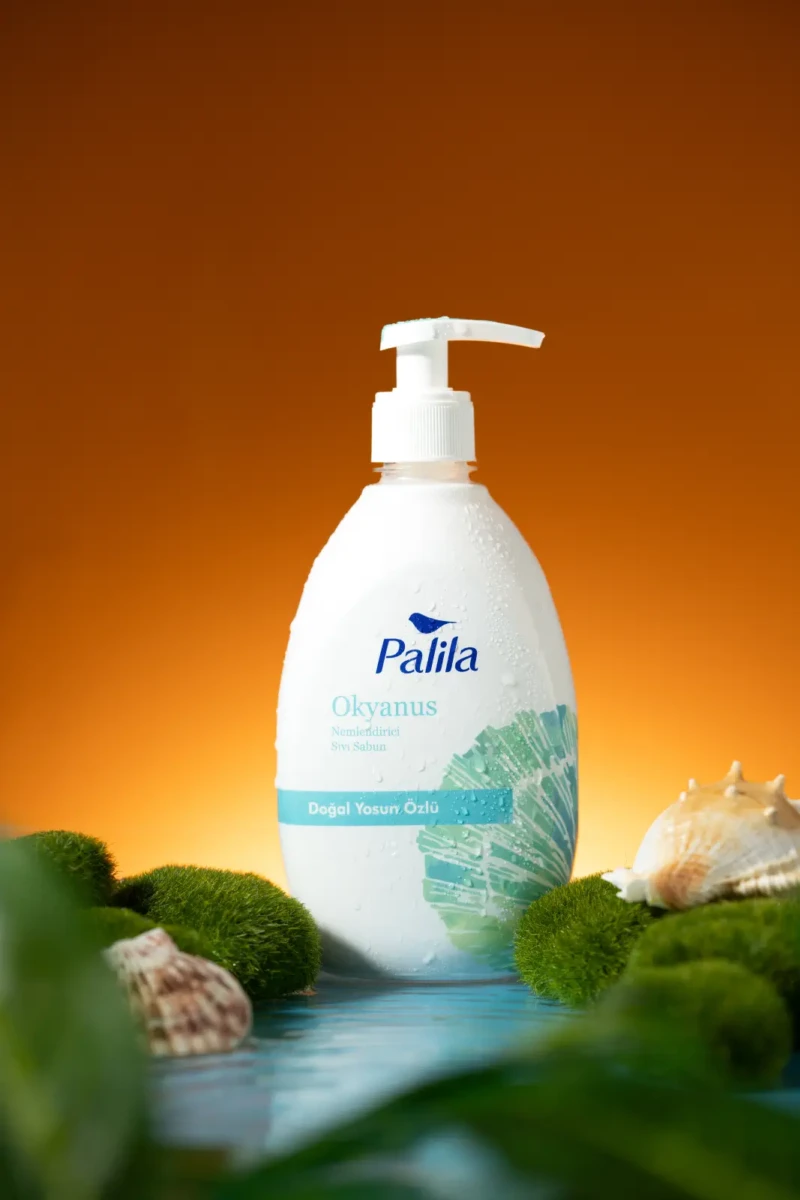
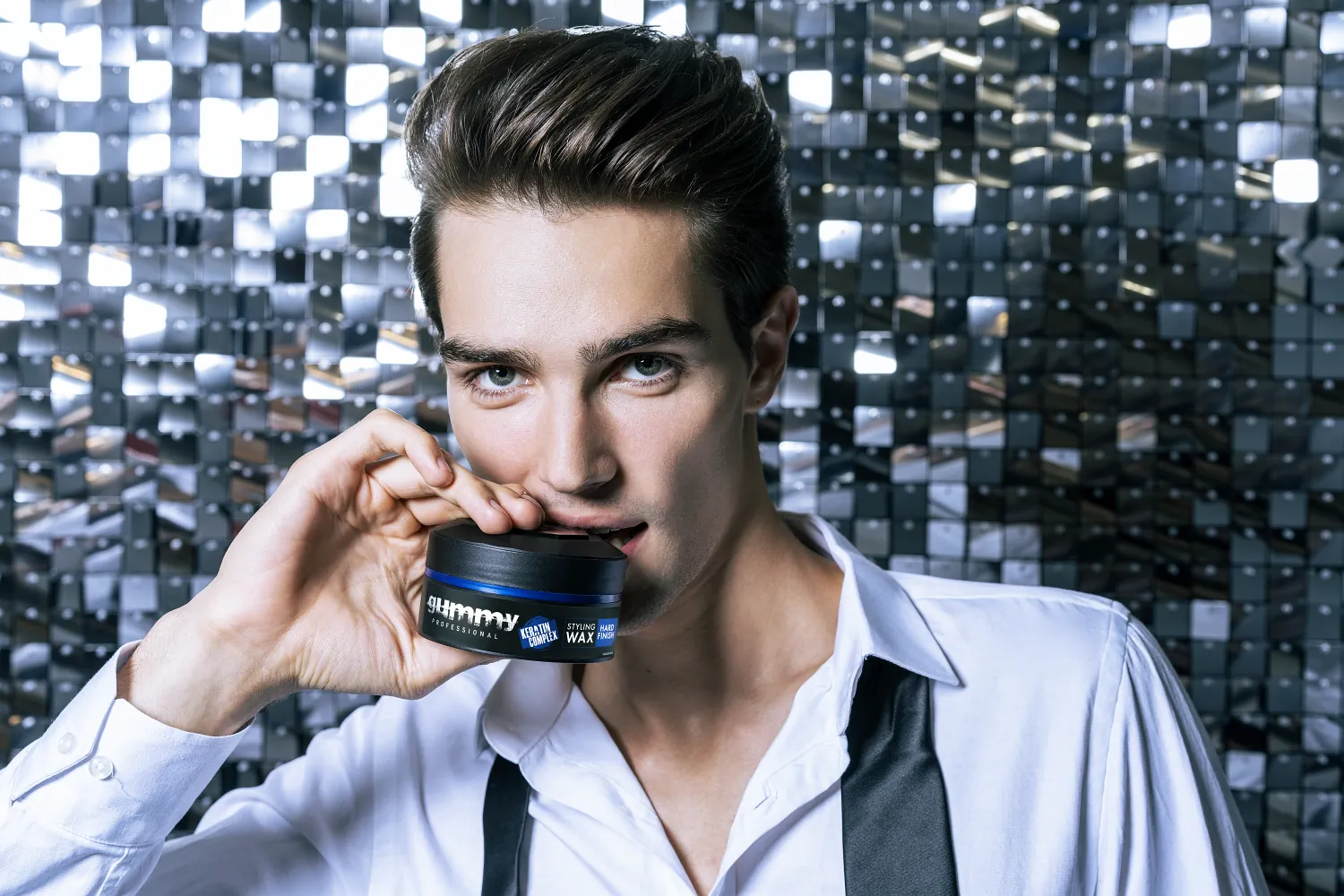
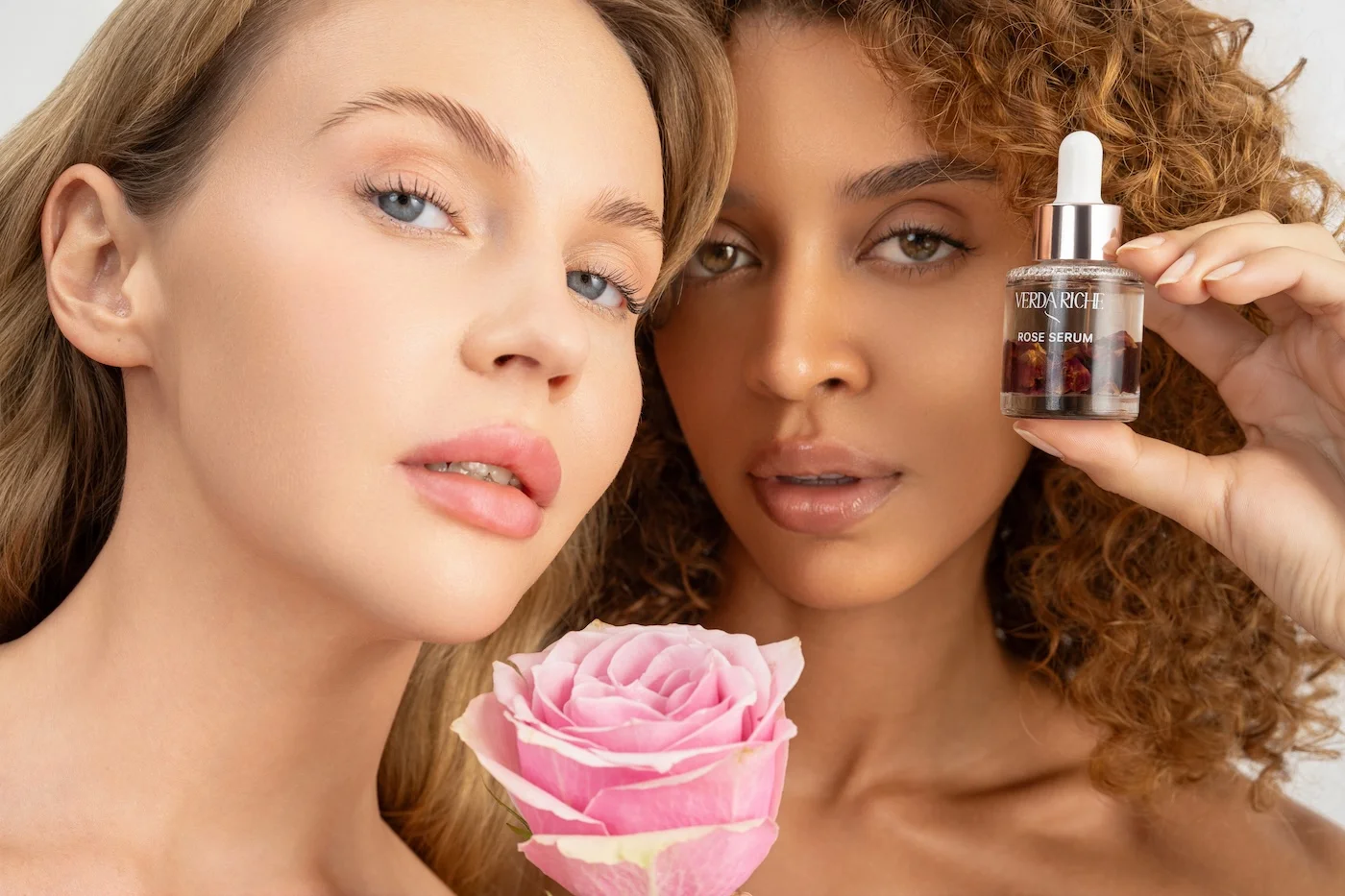
Actual product, controlled lighting, physical props. The color of the packaging and the legibility of the label are kept in the center of the frame.A Guide to E-commerce Photography
E-commerce Photography: A Guide to Planning, Shooting, and Delivery
Customers who can’t touch the product make their decision based on photos. This guide explains step by step which shots should be included on a product page, how to create a shot list, which channel requires which dimensions, and what standards the files should meet upon delivery.
Prepared by: Burak Bulut Yildirim, commercial photography and video production, since 2005Reading time: approximately 14 minutesLast updated: August 2026
Short answer
A single type of photo isn't enough for a product page
The basic set consists of five images: the main image on a white background, front and rear views, a close-up showing the material, an image illustrating the scale, and a usage photo. For a single-piece product in its packaging, 4 to 6 images are sufficient; for a multi-piece set, this increases to 12 images. The number of images is determined not by the quantity of products, but by the questions the customer asks before placing an order.
When making a decision, this criterion is helpful: if an image renders a sentence in the caption unnecessary, it stays on the shot list. If it repeats the same information, it is removed from the list.
Main image
Introduces the product
A simple background, the right color, and clean lines. Customers can recognize the product in a second on the product listing screen.
Details
Describes the material
Stitching, fabric, fasteners, closures, and surface quality. Most reasons for returns are addressed in these photos.
Scale
It makes the size tangible
A hand, a model, or a familiar reference object. The dimensions are clear even without consulting a size chart.
Video
Indicates movement
Opening, sliding, folding, unfolding, 360-degree rotation. In the product, this step serves as a placeholder for the photo.
Main image: white background, accurate color, clean edgesScale: the actual size of the product on the skinDecorative Square: Materials, Color Palette, and Brand Universe
Initial number of squares by product type
Product type
Initial number of squares
Photos that made the list
Single piece, packaged (cream, serum, box)
4 to 6
Main image, back label, cover detail, scale, usage
Textiles and Apparel
6 to 9
Mannequin or model, fabric texture, stitching, inner label, back view
Jewelry, watches, eyeglasses
5 to 8
Macro detail, stone and keystone, scale, use on the model
Multi-part set or device
8 to 12
Box contents, part details, assembly steps, usage instructions
Food
4 to 7
Packaging, opened product, texture close-up, serving suggestion
Series consistency
Why should the frames in the same series look alike?
A category page displays a grid of images rather than individual photos. When packaging heights, label orientation, lighting intensity, and negative space do not conform to a common standard, the products appear as if they were from different brands.
In practice, this means a fixed camera height, the same lens, the same product distance, and a side-by-side comparison on the tethered display. The variants are shot one after another in a single session.
Every frame on this page was shot on a physical set
None of the images feature products, decor, surfaces, backgrounds, or lighting generated by artificial intelligence. Art director Meryem Aydın curates the decor according to the brand’s vision, hand-selects the floor color and texture, and the lighting design is created on set based on the product’s materials. The product you see on screen is the exact same one that comes out of the box.
Three parallel production lines on the same production day
At the Istanbul studio, video shoots with sets, photo shoots with sets, and product shoots against a white background are conducted on three separate production lines all on the same day. The benefit is twofold: a consistent visual style is established across the production lines, and work that would otherwise take two or three days elsewhere is completed in a single day.
3 setsa production line operating simultaneously
1 dayphotos, videos, and white background
a single visual languagecommon standard across lines
Since 2005Production at the Istanbul studio
386Google review
More than 10a brand from the country
500+customer
Our E-commerce and Product Photography Portfolio
Brands for which we have produced white-background shots, styled setups, product shots on models, and product videos in the cosmetics, fashion and textiles, food, home textiles, and jewelry categories.
Selected brands from our other customers
Our Customers' Experiences
What do brands that have followed the workflow in this guide have to say?
From the real customer reviews posted on Google for LUX Production, we’ve selected the ones most relevant to the topic of this page. See them all Check out the Google reviews You can read it at this link.
★★★★★·5/5 Google review
Professional and great team. We worked with them in both location and studio shootings, and they determined our needs with their expertise and offered quick solutions and suggestions. We entrust all the processes of both decorated and white background shots of our Dreamy Rikka brand for all domestic and international marketplaces with peace of mind. You will definitely not need to look for a different alternative.
★★★★★·5/5 Google review
“We’re very pleased with their work. They’re a professional, efficient team that delivers the same high quality on every shoot. We highly recommend them.”
★★★★★·5/5 Google review
“They photographed the product images for our e-commerce company with great care, using professional, high-quality photographers. We didn’t even need to edit the photos—they were perfectly composed right from the start. We were very satisfied with this service, which was the first time we’d outsourced this work. Considering the quality of service this studio provides, their pricing is also very reasonable.”
★★★★★·5/5 Google review
“As an eyewear brand, we are very satisfied with the studio. We’re looking forward to a long-term partnership. Their product photography, attention to detail, and dedication are top-notch. They are true professionals when it comes to photography. We haven’t had any issues so far. We definitely recommend them. We’d like to thank Ms. Meryem and the entire team. You can see a sample of the product photo they took in the attachment.”
★★★★★·5/5 Google review
“We worked with this agency on photo and video shoots for our products and were very pleased with the results. We were particularly impressed by their professionalism and creativity during the lifestyle photo shoots featuring models. They also produced exceptionally high-quality work for both our product videos and product photos. They not only accurately reflected our brand’s image but also produced content that supported our sales. I highly recommend them for their work ethic, teamwork, and meticulous attention to on-time delivery. I’d like to thank Simge for managing the entire process so successfully.”
★★★★★·5/5 Google review
“The owner, Burak, and his team are fantastic—all you have to do is place your products in front of their magical lenses.”
★★★★★·5/5 Google review
“We were extremely satisfied with the photo shoots for our home textiles. Both the set design and the product presentation were excellent. We’d like to thank the entire team—especially Mr. Burak—for the professionalism and attention to detail they demonstrated throughout the process. Capyhome”
★★★★★·5/5 Google review
I was looking for a quality service for product photography. Fortunately, our path intersected with Lux Production. From the first communication to the last moment, they made me feel that they worked with interest and care. I would like to thank the whole Lux Production team, especially Ms. Ceren.
What is the purpose of an e-commerce product photo?
E-commerce photography replaces the actions of touching, turning, and visually estimating the size of an item in a store. Its purpose is not to attract attention, but to convey the product’s shape, color, material, size, and usage without leaving room for error.
For this reason, the photography technique varies depending on the product category. For glossy cosmetic packaging, glare control and label legibility are key; for textiles, texture and color accuracy are crucial; for jewelry, the cut of the gemstones and clasp details are emphasized; and for food, the sense of freshness takes center stage. The details the customer wants to see determine the shot list; the number of products alone is not a sufficient criterion.
We also examined the impact of this difference on the sales side: Why a Professional Product Photographer? The answer to this question explains the relationship between the return rate and the lack of images.
01 Main image
Clear and direct
The product must be photographed in accordance with the sales channel’s framing and background guidelines, without any distracting elements. It must remain recognizable even when scaled down on the listing screen.
02 Angles
Defines the form
The front, back, sides, and 45-degree angle complete the three-dimensional structure. On a packaged product, the back side cannot be overlooked because it contains information about the contents and usage.
03 Details
Workmanship Documents
Stitching, seams, connection points, surface texture, and print quality are shown in close-up. These images address a significant portion of the questions right off the bat.
04 Scale
It makes the size tangible
A hand, a model, or a familiar reference object is used. Even a customer who doesn’t read the size chart can understand the product’s actual size.
05 Usage
Establishes context
The image shows who is using the product, where, and how—either in a real-life setting or on a model. This image is the biggest factor influencing the decision to add the product to the cart.
06 Variant
Compares options
Differences in color, size, and packaging are photographed under the same lighting, at the same angle, and with the same framing. When there is a discrepancy between variants, the customer perceives the color difference as being in the product itself.
Seventh slide: infographicMeasurements, material information, and usage instructions placed on top of the product photo reach customers who do not read the description. On marketplaces, these can be used in areas other than the main image. Text and badges on the main image are prohibited on most platforms.02 Channel Requirements
Which channel requires which measurement?
A single aspect ratio won’t work for all platforms. Amazon requires a square, pure white image; Trendyol uses a 2:3 vertical format; and the Instagram feed is best suited for a 4:5 aspect ratio. The shot is framed with enough space to accommodate all of these ratios.
Channel
Main image dimensions
Fund
Critical rule
Amazon
Long side 1600 px or more, square aspect ratio
Pure white, RGB 255,255,255
The product fills at least 85 percent of the frame; the main image contains no text, logo, or badge
Trendyol
1200 × 1800 px, 2:3 portrait
White or light neutral
It appears consistent in the vertical framing list grid, and the product is centered
Shopify and Your Own Website
2048 × 2048 px square
White or brand-specific background
Since the cropping area may vary, a square aspect ratio is the safest option; high resolution is required for zooming
Etsy
Longest side: 2000 px
Free
The first image is oriented horizontally; the cover crop is taken from the horizontal area
Instagram feed
1080 × 1350 px, 4:5
Free
The ratio that takes up the most space in the flow is located in the top third of the product
Reels, Stories, TikTok
1080 × 1920 px, 9:16
Free
Leave a margin of approximately 10 percent at the top and bottom for interface elements
Practical delivery logic
Footage is always shot with the widest frame and at the highest resolution; cropping is done in post-production. The reverse is not possible: a 2:3 vertical aspect ratio cannot be derived from a frame shot in a narrower aspect ratio. Since channel guidelines are updated regularly, please confirm the dimensions via your seller dashboard before shooting. The framing plan is locked based on this confirmation.
The number of products is just a small part of the production plan. When the target channels, variants, required angles, usage scenarios, aspect ratios, and file-naming standards for each product group are documented in writing before the shoot, the need for revisions decreases significantly.
1
Inventory
Differences in SKU, size, finish, and packaging are listed. Samples that arrive defective or incomplete are set aside before being included in the set, and the brand is notified.
2
Channel decision
The aspect ratios required for websites, marketplaces, social media, and print media are determined. The cropping margin is calculated based on the narrowest aspect ratio.
3
List of squares
The main image, angles, details, scale, composition, and, if necessary, the video storyboard—along with reference frames—are subject to approval.
4
Delivery Schedule
Selection, retouching, file naming, color space, formats, folder organization, and the revision workflow are clearly defined from the start.
How do you write a row in a list of squares?
This handy row contains the following five fields: SKU code, frame type, aspect ratio, lighting setup note, and delivery name. Example: ANC-SER-30 / back label / 1:1 / soft top light and bottom fill / anc-ser-30-back-01.webp. This line speaks the same language whether it's during filming, retouching, or uploading.
Quality control during product preparation
Are the labels and barcodes oriented correctly?
Is there any dust, scratches, or fingerprints on the surface?
Is the fabric ironed, full-bodied, and the right fit?
Are the lid, accessories, and box all included?
Do the names of the color variants match the list?
Have backup samples been set aside for problematic products?
Requirements for the Filming Approval Certificate
Number of frames to be captured for each SKU
Sample Framing and Lighting References
Decision on the budget, set design, and model to be used
Horizontal, vertical, and square aspect ratios
Persons responsible for selection, editing, and revision
Submission schedule and file-sharing method
04 Physics of Sets
How are decisions made regarding light, surfaces, and optics?
The key factors in product photography are the quality of the light and the direction of the reflections. Glass, metal, glossy plastic, and matte fabric all react very differently to the same light source. That’s why the set is arranged according to the product’s material.
Reflection Management
A glossy surface reflects the image of the light source in the mirror, not the light source itself. The edge line on a glass bottle is created by placing narrow strips of black or white cardstock along the side. On metal, the specular reflection is softened by a wide diffuser, creating a gradient surface that makes the shape legible. Cross-polarization is achieved by attaching a linear filter to the light source and a polarizer to the lens; when the two filters are set at a 90-degree angle, glare on dielectric surfaces is largely eliminated. Since metal reflections retain their polarization, they are not suppressed to the same extent; therefore, this method is used selectively in jewelry and watches.
Shiny metal and gemstones
The shape of the light source is visible in the frame. When the edges of the diffuser are cut straight, a clean gradient appears on the metal; when they are cut in a curved shape, a soft beam is created.
Glass and transparent packaging
The backlighting reflects the color of the liquid, while narrow strips of light from the sides outline the bottle’s silhouette. The two layers can be photographed separately and then combined.
Aperture, diffraction, and depth of field
In product photography, the instinct is to stop down the aperture as much as possible. However, diffraction begins to degrade sharpness beyond a certain point. The diameter of the Airy disk is calculated as approximately 2.44 × λ × N. At a wavelength of 550 nm and an aperture of f/11, this value is around 14.8 microns. Since the pixel pitch on a 60-megapixel full-frame sensor is less than 4 microns, this loss becomes visible at the pixel level. In practice, one typically works between f/8 and f/11, and the required depth of field is achieved through focus stacking.
In macro photography, the effective aperture is larger than the nominal value. In a symmetrical lens, the effective f-number is approximately N × (1 + m); at 1:1 magnification, f/8 effectively behaves like f/16. At the same magnification, the acceptable depth of field drops below one millimeter, so the focus stacking step is kept around 0.2 millimeters, and the number of frames varies between 15 and 60 depending on the depth of the subject.
Lens and Perspective
Macro lenses with focal lengths between 90 and 105 millimeters reproduce the packaging in its natural proportions. When photographing a box with a focal length between 24 and 35 millimeters, the front of the box appears larger, the back appears narrower, and the product looks different from how it actually is. Using a single lens across the product family eliminates the difference in perspective between variants from the outset.
Why is reproducibility so important?
A brand’s catalog isn’t completed in one go. The new variant arriving six months later must be placed side by side with the old shots. There are three things that make this possible: measuring and recording the distance between the camera and the product, overlaying the old shot as a template on the connected shooting screen, and noting the lighting setup—including position, intensity, and diffuser distance.
05 Visual Language
White background, balance between detail and action shots
White-background images showcase the product, detailed shots highlight craftsmanship, and styled and in-use shots demonstrate how the product is used in everyday life. When a product page combines these three functions, it ensures no information is missing and allows the brand to establish its own visual language.
The marketplace main image requires a pure white background. Keeping the background value between 250 and 253 on your own website prevents the drop shadow beneath the product from disappearing. If the background is set to 255, the product will appear to be floating in mid-air. Saving the shadow on a separate layer during the cutout process makes it possible to create both the marketplace and website versions from the same file.
Group shot: fixed spacing between products and label orientationTexture in dark textiles: fiber definition without burning the backgroundProduct and box: Required image showing the contents of the boxVariant sequence: same light, same angle, same shadow directionColored background: an alternative that uses the brand’s color palette as the backgroundNatural material: surface texture and matte finish
Usage and model examples
The image that best conveys scale is the one that shows the product in relation to the human body. In jewelry, the size of the piece on the skin; in textiles, the drape of the fabric; and in cosmetics, the texture the product leaves on the skin—all directly influence the decision to purchase. These images Product photography featuring a model It is scheduled as a separate day because the timing for styling, hair, and makeup does not align with the rhythm of the product shoot.
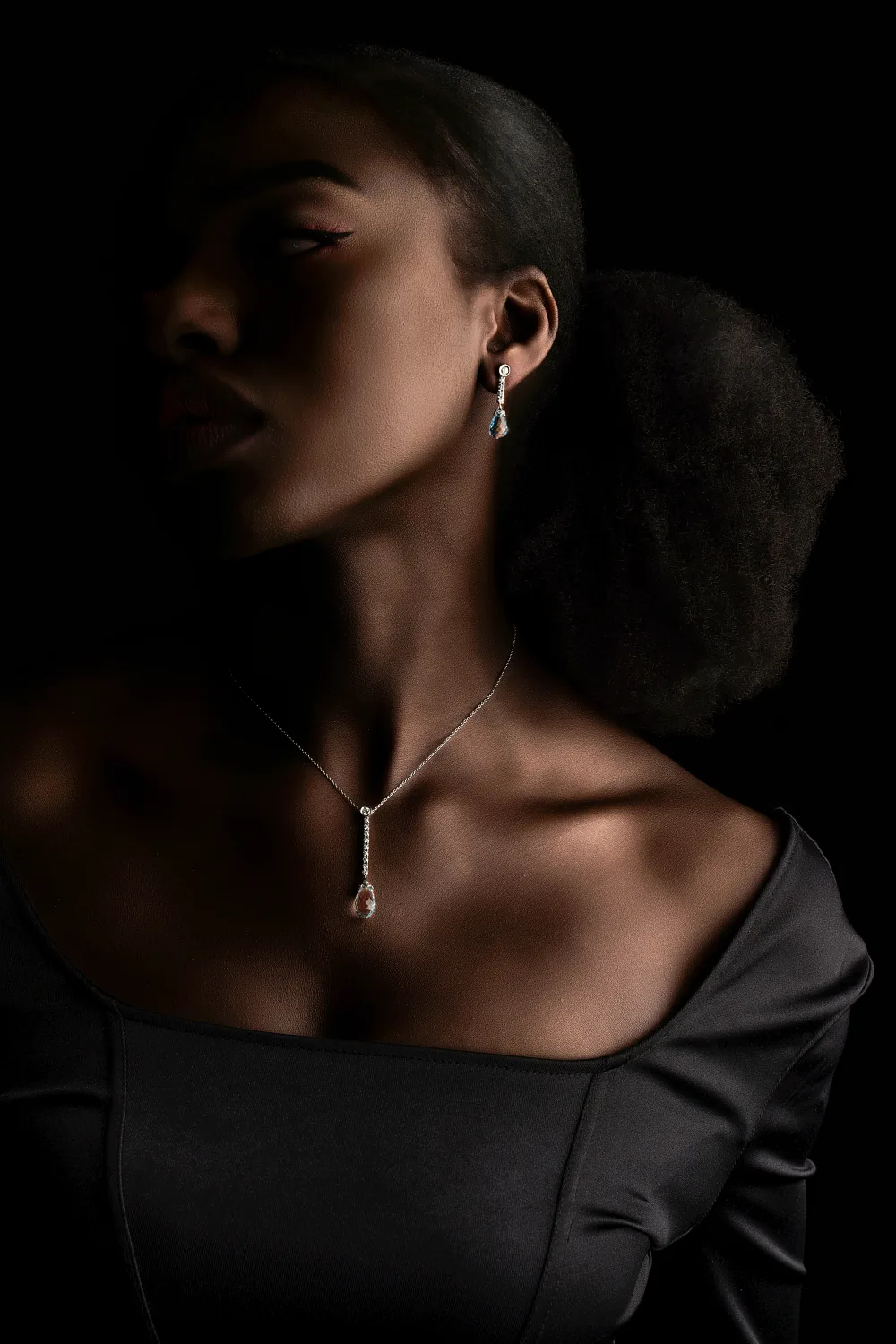
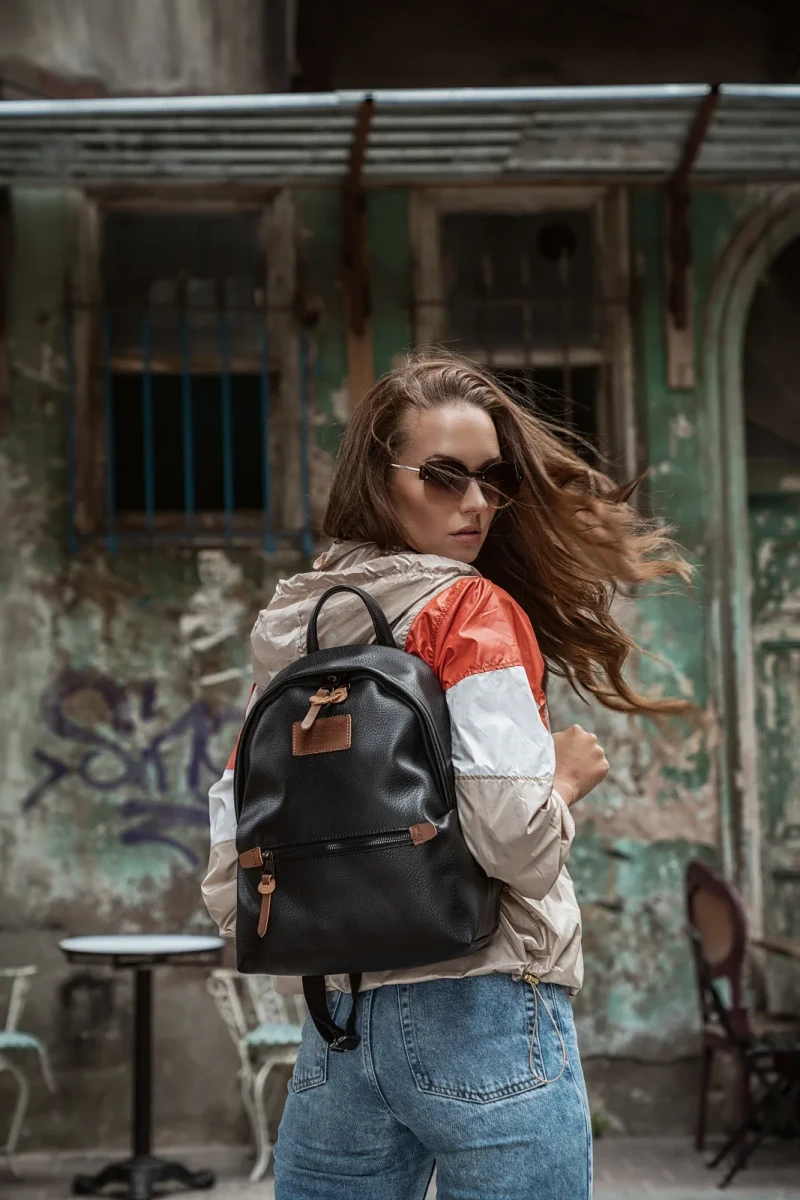
Home textiles: the practical implications of fabric and sizeJewelry: Balance of scale and brilliance on the skinCosmetics: the product's texture and coverage on the skinChildren's product: in use and actual sizeClothing: Fit, Drape, and Styling ContextAccessory: carrying style and actual volume
Decorative still life
Decor conveys the product’s materials and brand identity, but it does not overshadow the product itself. The packaging, label, and basic form always remain legible. Stylized still life photography Our approach preserves this boundary.
Product in the space
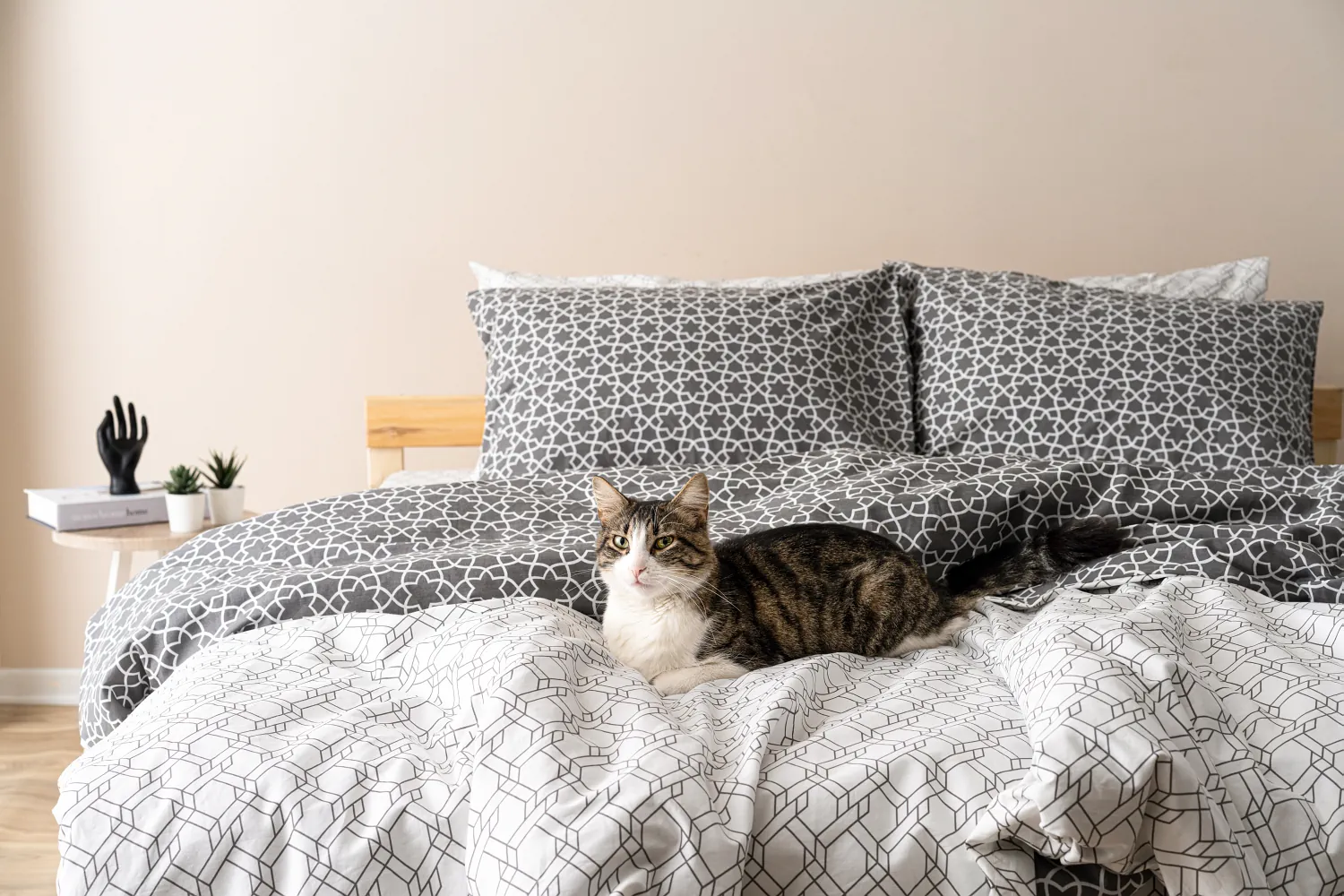
In home textiles, furniture, and interior design, a product is viewed as an integral part of a room. Pattern repetition, seam lines, and fabric weight are interpreted within this context.
Symmetry and Set Design
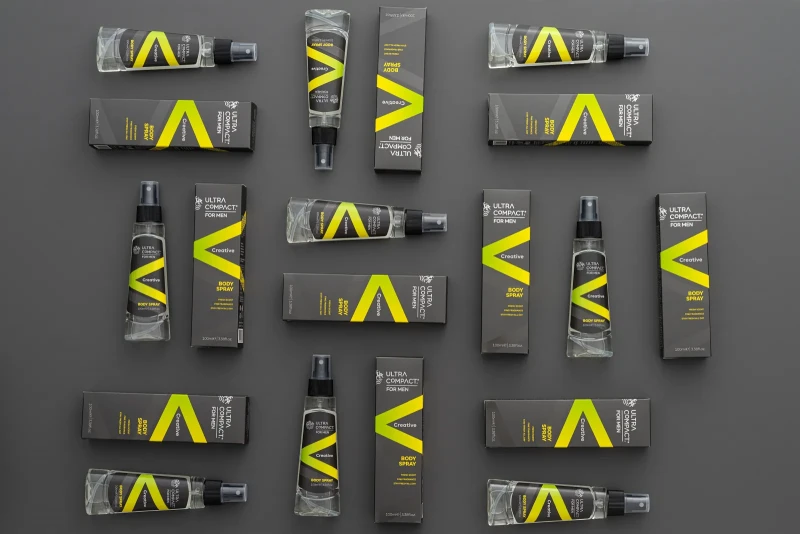
For products sold in sets, spacing, package heights, and label orientations are adjusted to the nearest millimeter. Any irregularity is interpreted on the screen as a product defect.
Texture and content
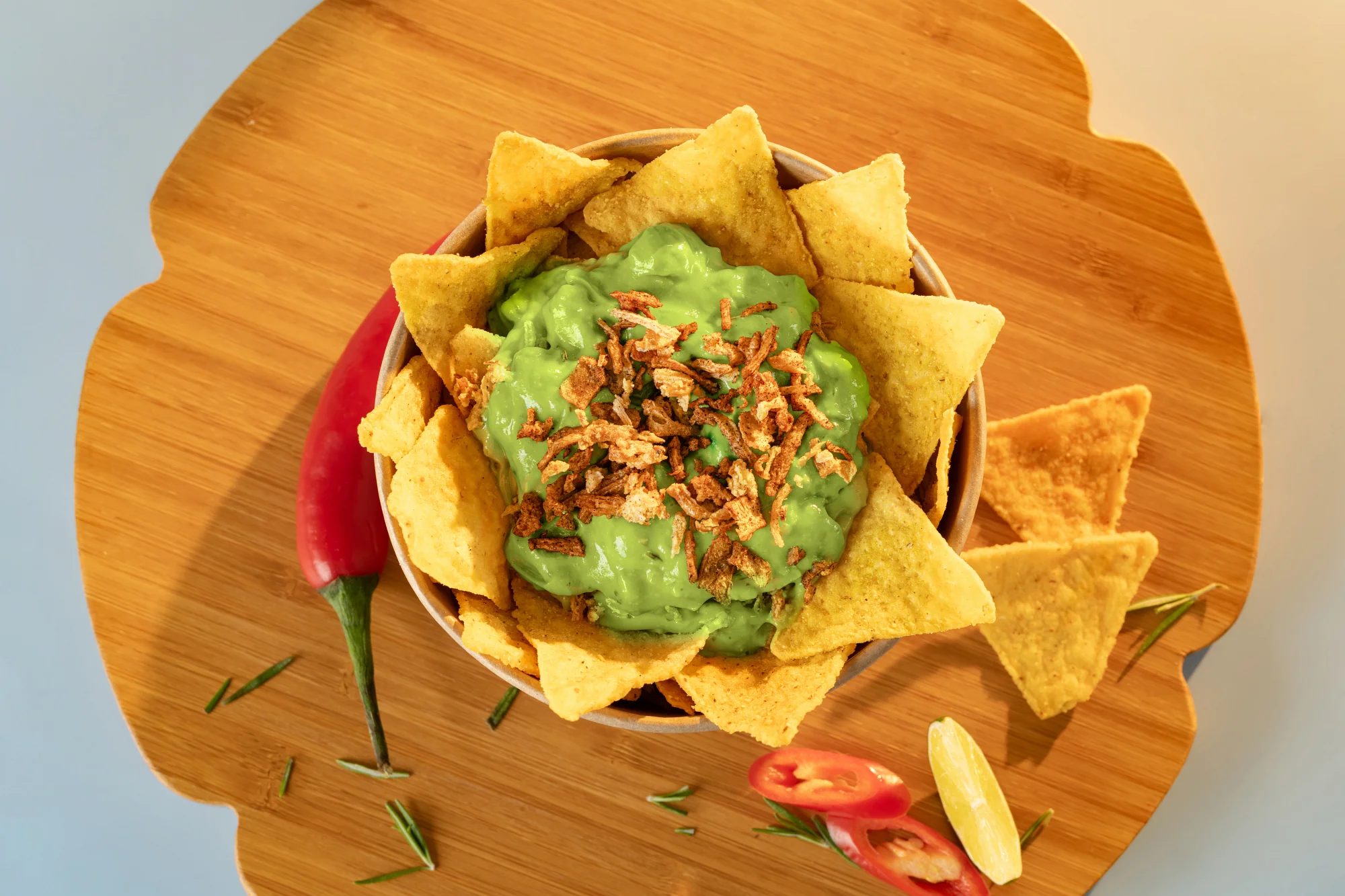
In the food, leather, and cosmetics industries, macro-level details directly influence purchasing decisions. Cross-sections, surface textures, and consistencies are captured in a way that remains true to reality.
06 Color, retouching, files, video
What points should not be overlooked during a technical inspection?
High resolution alone doesn't mean much. Color accuracy, proper sharpness, surface cleanliness, and channel-based export are also key components of production quality.
Color Management
The workflow must be set up from the beginning. A camera profile is created from a reference frame shot on set using a color target card, the monitor is calibrated, and the screen is compared side-by-side with the physical product at critical tones. On sets where continuous lighting is used, the color rendering index of the light source must be 95 or higher; low-efficiency LEDs fail to accurately render red and purple pigments in particular. Screen delivery is in sRGB, while print delivery is in an extended color space, and the profile is embedded in the file.
Clarity
He sits down at the decision-making table
The entire product or the area in focus must be in sharp focus. A shallow depth of field that does not serve the purpose results in a loss of information in e-commerce.
Retouch
Does not change the product
Dust, temporary production marks, and background contamination are removed. The shape, texture, and color are not altered in a way that would mislead the customer.
File
Produced according to the channel
The aspect ratio, pixel dimensions, format, and file size are exported separately for each channel according to its specific requirements.
Archive
The source is preserved
The raw file and the layered working file are saved. During the variant shoot six months later, the reference will be taken from this archive.
Naming
Matches the SKU
The file name contains the product code, variant, and angle information. It describes the alternative text image to be used during upload.
Weight
Monitors page speed
Images are delivered in WebP format and optimized as needed. Product page speed is also a key factor in conversion.
When is a product video needed?
If the product involves a usage process—such as opening, folding, applying, or pouring—a video is required. A video cannot be squeezed into a photo shoot: it has its own script, shot list, and pacing. Motion shots require continuous lighting, motorized dollies and turntables, macro transitions, and focus pulls. A set designed for static photography falls apart when the camera moves; since our sets are built from the ground up with motion in mind, we can produce both high-quality stills and smooth 9:16 video from the same set.
Stop-motion, 360-degree rotation, and macro transition options
Photos and videos from the same shootThe continuous lighting setup for motion shots allows for the production of both stills and video in the same set. This way, the brand gets two sets of content that complement each other in a single day.07 Artificial Intelligence
Where does artificial intelligence fit into product photography?
Artificial intelligence tools streamline workflows in concept development, mood board creation, mockups, and preliminary design. In the final product rendering, however, the form, color, material, and packaging must be an exact replica of the physical product.
A minor manufacturing defect in details—such as the gold tone in jewelry, the yarn texture in textiles, or the pigment structure in cosmetics—can result in returns and a loss of trust in the brand. Furthermore, the main visual guidelines of major marketplaces require that the product be shown as it actually is. Using a synthetic main visual carries a risk of being delisted. In the correct hybrid approach, the foundation is always a real product photo, and AI intervention remains measured and within limits that do not distort reality.
All of the images in this guide were taken on a physical set
None of the images on this page feature products, props, surfaces, backgrounds, or lighting generated by artificial intelligence. Art director Meryem Aydın curates the set according to the brand and manually sets the floor color and texture. The photographer and videographer set up the lighting on set based on the product’s materials. Since a significant portion of the visuals on similar pages are synthetically generated, the packaging texture and color accuracy do not reflect reality. In our case, the image on the screen is identical to the product that comes out of the box.
How do the products get to the studio, and how does the process work?
Products from various locations in Turkey and Europe are shipped to the Istanbul studio. The entire process, from brief approval to delivery, is managed remotely, and delivery is scheduled to take between 3 and 10 business days for standard e-commerce orders.
1
Track 1: Decorated Video
Moving content featuring continuous lighting, a motorized dolly, and a turntable. The Reels and marketplace videos are shot using the same set.
2
Line 2: Decorated photo
Still life images with an art direction concept. The set design uses a color palette that matches the video sequence.
3
Line 3: white background
Cutout and marketplace main visuals. Shot in a series, with a fixed setup and repeatable dimensions.
4
Common language
Since all three shoots take place on the same day, the color, tone, and framing style are consistent. Work that would normally take two or three days elsewhere is completed in a single day.
Square validation, selection, and revision limit
Lighting, framing, and focus are all reviewed together on a large screen during the shoot. Once a sample frame is approved, the series is shot, ensuring that a faulty setup does not affect the entire 100-frame sequence. After the shoot, a selection is made from the raw files, and the selected ones are sent for retouching. Corrections related to color, cleanup, and format in the delivered files are handled within the scope of the project; any subsequent requests for new framing, set changes, or different usage formats require a separate shoot plan.
Category difference
Cosmetics, jewelry, textiles, furniture, and food cannot be handled using the same approach. Each category has its own surface response, scale requirements, and channel expectations. We have compiled industry-specific approaches on separate pages.
Campaign photos and e-commerce product shots from the same productionWhen a model shoot is scheduled, the main visuals for the marketplace, product shots, and social media content are all organized into a single calendar. This eliminates the need to ship the products a second time.
09 Frequently Asked Questions
Practical Answers About E-commerce Photography
The following headings outline the framework you’ll need when planning an e-commerce photo shoot. Since the rules and limits of sales platforms are updated frequently, always verify the technical specifications through your own seller dashboard.
Why is product photography for e-commerce so critical?
In a digital environment where customers cannot touch the product, photographs convey all the physical details. Consistent and accurate color images build trust in the brand, reduce return rates, and visually validate the claims made in the product description. A missing photo leaves a question unanswered at the moment of purchase.
How many photos are needed for a single product?
There is no universal number. For a single-item packaged product, 4 to 6 squares are sufficient; for textiles, 6 to 9; for jewelry, 5 to 8; and for multi-piece sets or devices, this increases to 8 to 12 squares. The rule is simple: every visual question a customer might have before placing an order should be answered with one image.
Should we plan a white-background shoot or a themed concept shoot?
They serve different purposes. A white-background product image shows the product in its clearest form and complies with marketplace rules. Decorated and usage images convey the brand’s identity, the product’s quality, and usage scenarios. On a professional product page, these two types complement each other; one does not replace the other.
What are Amazon's product photo guidelines?
The background in the main image must be pure white; the product must fill at least 85% of the frame; and there must be no text, logos, watermarks, or badges. To enable zooming, the longer side must be 1,600 pixels or more. Since the rules have been updated, please verify them in the seller dashboard before taking the photo.
What should the dimensions of a Trendyol product image be?
Trendyol uses a vertical layout, and the standard size is 1200 × 1800 pixels, which is a 2:3 aspect ratio. The background should be white or a light neutral color, and the product should be centered in the frame. If the composition isn’t set up according to this aspect ratio, cropping later will remove part of the product from the top or bottom.
How are e-commerce product photography prices calculated?
Quotes are prepared based on the scope of the project, the number of products, the type of shoot, model and set requirements, and post-production details. Reflective surfaces, styling requirements, video needs, and the number of variants also factor into the timeline. The studio dynamics of a textile shoot and the craftsmanship involved in a jewelry shoot are completely different.
Can e-commerce products be photographed using smartphones?
On a limited budget, a smartphone can handle the basics with good lighting and a stable setup. However, when dealing with a collection of hundreds of pieces, reflective surfaces, exact color consistency across variants, and marketplace sizing requirements, studio equipment and controlled lighting become essential.
What format and resolution should the images be in?
Selects the channel. Originals are always archived in high resolution; versions uploaded to the panel are optimized so as not to slow down page loading. The final output is in the sRGB color space, and the profile is embedded in the file. WebP output produces significantly smaller files while maintaining the same visual quality.
Do product videos affect the order rate?
If a product changes shape while in motion, opens and closes, has a fluid consistency, or involves a usage step, video is a powerful sales tool. A 15-second video instantly shows what a lengthy usage description cannot convey and reaches customers who don’t read the instructions.
Are AI-generated images used on product pages?
Artificial intelligence is useful for concepts, mood boards, and background tests. However, using it in the main image of a physical product being sold is risky. If the stitching, color, or texture of the material changes, customer trust is undermined and returns begin. All the images on this page were shot on a physical set.
How should the products to be sent for the shoot be selected and prepared?
The studio must receive the most flawless samples from production. Scratched packaging, faulty stitching, and worn labels unnecessarily prolong the retouching process. All items must be packaged completely, clean, and in a manner that prevents damage during shipping; a spare sample must be included for fragile items. The names of color variants must match the codes in the square list exactly.
Can products be shipped from outside the city or from abroad?
Can be shipped. Simply ship the products to our Istanbul studio. The entire process—including brief approval, sample frame approval, selection, and revisions—is conducted digitally. Once the project is complete, the products are returned in accordance with the specified packaging standards. Locations in Berlin and across Europe are determined based on project requirements.
Are different product categories imported using the same logic?
No. The lighting used to highlight the finish of a shiny metal watch is completely different from the lighting that brings out the texture of a cotton shirt. In industrial photography, technical details take center stage, while in food photography, a sense of freshness is created. Each category requires its own visual language and its own studio setup.
How does the retouching and revision process work?
Lighting, framing, and focus are all reviewed together on a large screen during the shoot; once a sample frame is approved, the shoot proceeds to the series. Selections are made from the raw files, and the selected images are sent for retouching. Corrections related to color, cleanup, and formatting in the delivered files are included in the scope of the project; changes to framing or set changes are planned separately.
What is the average project turnaround time in days?
Delivery for standard e-commerce sets is scheduled to take between 3 and 10 business days. The timeline is determined by the number of products, the complexity of the set, video requirements, and the workload of post-production. The schedule is finalized in writing at the start of the project, along with the shot list, and milestone deliveries are tied to this schedule.
Can I take both photos and videos on the same day?
Yes. At the Istanbul studio, video shoots with sets, photo shoots with sets, and white-background shoots are conducted on three parallel production lines on the same day. Since the production lines use shared sets and a consistent color scheme, the content remains consistent, and work that would otherwise take two or three days elsewhere is completed in a single day.
How are the rights to use the images taken regulated?
The scope of use is specified in writing at the start of the project: it is clarified on which channels, for how long, and in which geographic regions the content will be broadcast. For shoots involving models, the scope of the model release is also defined. At the end of the term, requests for extensions or the addition of new channels must be submitted in writing. Detailed terms and conditions are available on our Terms of Use and Licensing page.
10 Related guides and resources
Continue by category and shoot type
This guide provides an overview. The pages below go into more detail regarding lighting setups, framing, and delivery specifics for your product category.
By using cookies, we can store and access device information to enhance your experience. Your consent allows us to process data such as browsing behavior or unique IDs on this site. Not consenting or withdrawing consent may affect certain features and functions.
Functional
Always active
The technical storage or access is strictly necessary for the legitimate purpose of enabling the use of a specific service explicitly requested by the subscriber or user, or for the sole purpose of carrying out the transmission of a communication over an electronic communications network.
Preferences
The technical storage or access is necessary for the legitimate purpose of storing preferences that are not requested by the subscriber or user.
Statistics
The technical storage or access that is used exclusively for statistical purposes.The technical storage or access that is used exclusively for anonymous statistical purposes. Without a subpoena, voluntary compliance on the part of your Internet Service Provider, or additional records from a third party, information stored or retrieved for this purpose alone cannot usually be used to identify you.
Marketing
The technical storage or access is required to create user profiles to send advertising, or to track the user on a website or across several websites for similar marketing purposes.