Jewelry photography, macro photography, and reflection control
How to Take Jewelry Photos: 10 Techniques for E-commerce
When photographing jewelry, the gemstones, metal, craftsmanship, color, and scale must all appear accurate within the same frame. For small, shiny items such as rings, necklaces, earrings, bracelets, and watches, 10 technical considerations, ranging from cleanliness to focus stacking, determine the reliability of e-commerce imagery.
Burak Bulut Yıldırım directs the shoot at the LUX Production Istanbul studio; Meryem Aydın prepares the physical set and product presentation. Product acceptance, selection, revisions, and delivery for collections sent from various cities in Turkey and from Europe can be handled remotely. A quote is prepared based on the scope of the project, the number of products, the type of shoot, model/set requirements, and post-production details.
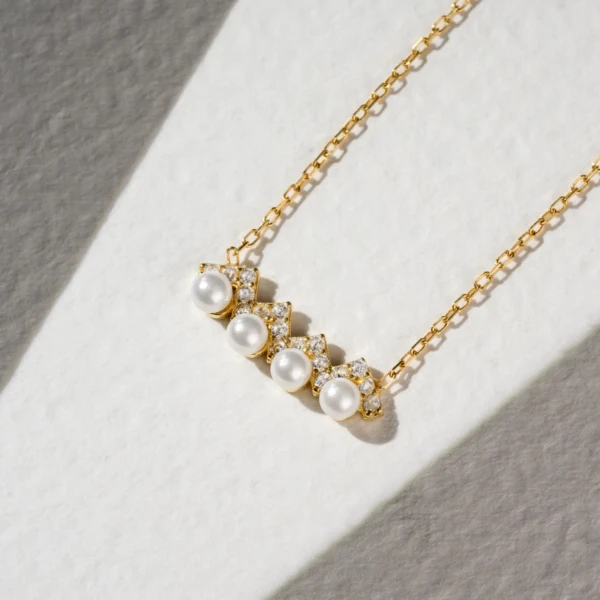
Gemstone cut, metal tone, and surface reflections are controlled within the same lighting setup.
Since 2005Production at our Istanbul studio
380+Google reviews
More than 10client countries
500+clients
Our Portfolio of Jewelry Photography Projects
Selected brands from the projects we’ve undertaken for jewelry and accessory collections.
Selected brands from our other customers
A selection of the brands we’ve collaborated with since 2005 on products, campaigns, fashion, and various commercial productions.
Google Reviews for Jewelry and Product Projects
From more than 380 Google reviews written about LUX Production, we selected the ones that best reflect experiences related to jewelry, accessories, and product photography and video production.
★★★★★·5/5 Google review
“Customer service is excellent. They communicate with you one-on-one and do their best to resolve any issues. That matters a lot to me. The photos speak for themselves: beautiful and elegant, and definitely worth the price. We sell jewelry and booked both on-model and styled photographs. They turned out wonderful. Thank you so much ♥️”
★★★★★·5/5 Google review
“We had a great experience. Very professional and friendly people who make our experience amazing. We get some photos and videos taken and they are all very good quality.(piece of art) We are very happy with the outcome and we will definitely work with you again.”
★★★★★·5/5 Google review
“We filmed our product videos with LUX Production. The footage turned out great, and I’d like to thank Mr. Burak and his team very much for their support.”
★★★★★·5/5 Google review
“As an eyewear brand, we are very satisfied with the studio. We’re looking forward to a long-term partnership. Their product photography, attention to detail, and dedication are top-notch. They are true professionals when it comes to photography. We haven’t had any issues so far. We definitely recommend them. We’d like to thank Ms. Meryem and the entire team. You can see a sample of the product photo they took in the attachment.”
★★★★★·5/5 Google review
“We worked with this agency on photo and video shoots for our products and were very pleased with the results. We were particularly impressed by their professionalism and creativity during the lifestyle photo shoots featuring models. They also produced exceptionally high-quality work for both our product videos and product photos. They reflected our brand’s image accurately and produced content that supported our sales. I highly recommend them for their work ethic, teamwork, and care over on-time delivery. I’d like to thank Simge for managing the entire process so successfully.”
The products, decor, surfaces, and lighting on this page were not generated by artificial intelligence. Every frame was shot on a physical set using real jewelry. Meryem Aydın prepares the background, floor, and accessories in line with the brand’s aesthetic; Burak Bulut Yıldırım sets up the lighting to manage reflections on shiny metal, glass, and stone surfaces. The product seen on screen is identical to the actual product that comes out of the box.
How do three production lines work for the same collection?
Styled video, styled photography and white background product shots run on three parallel lines on the same production day. Work that often takes 2-3 days is finished in one, with photo and video following the same color, light and product presentation decisions.
3 setsparallel shooting setups
1 dayjoint production plan
a single visual languageConsistency in photos and videos
Reflection
How do you define the form of polished metal?
The shape of the light source is visible on the metal surface. By using a diffuser, white card, black surface, and flags together, the product’s edges, volume, and metallic tone are highlighted.
Macro clarity
How do you keep the entire stone sharp?
At macro distances, the depth of field narrows. The camera and subject are stabilized; if necessary, at least two frames are captured from different focal points and combined using focus stacking.
Color and Scale
What should an e-commerce image accurately depict?
Controlled white balance preserves the colors of rose gold, yellow gold, silver, pearls, and gemstones. Photos on a model also show the product’s true scale and how it is worn.
10 technical inspections
10 Things to Keep in Mind When Photographing Jewelry
The 10 key checks in jewelry photography are, in order: product preparation, macro depth of field, focus stacking, light source size, reflections, color, background, scale, retouching limits and the photo and video plan. A single error in this sequence can misrepresent a small gemstone or metal surface on screen.
1
Prepare the product for the shoot
A macro lens magnifies dust, fingerprints, fabric fibers, and small scratches that are invisible to the naked eye. Clean the product, secure it in place, and use gloves or a suitable holder to prevent it from getting dirty again while taking the photo.
2
Take macro depth of field into account
In close-up shots, the depth of field narrows rapidly. While the front part of the ring may be in focus, the back stone or the chain of the necklace may remain out of focus. Stopping down the aperture helps, but due to diffraction and the increased need for light, it doesn’t solve the problem for every product in a single shot.
3
Use focus stacking when necessary
When the gemstone, prongs, metal surface, and engraving all need to appear sharp, we take several photos at different focus points. Software combines these images to extend the area of sharp focus across the product.
4
Make the light bigger
A small, shiny surface directly reflects the shape of the light source. Transitions are softened using a diffuser, light tent, white card, black surface, and flags; the metal’s edges and volume become visible.
5
Manage Reflections
Controlled reflections on gold, silver, and diamonds highlight the product’s form and the feel of the material. The goal is not to eliminate all reflections. Instead, it is to determine where the brilliance begins, how intense it appears, and how it defines the product.
6
Set up color management before shooting
Rose gold, yellow gold, white gold, silver, pearls, and colored gemstones may appear to be different products if the white balance is incorrect. Controlled lighting, a gray card, and a calibrated monitor provide a reliable starting point for the retouching phase.
7
Select the background based on the sales channel
A white background may be required for the marketplace and catalog. For the brand website, campaigns, and social media, still lifes featuring marble, fabric, wood, skin, or physical props may be more appropriate. The background should not obscure the product’s color or edges.
When earrings, rings, and necklaces are photographed on their own, the sense of scale is diminished. Photos taken on a model, on the hand, on the ear, or around the neck, clearly show the product’s actual size, appearance, and how it is worn.
Dust, fingerprints, and minor blemishes that occur during photography can be removed. The stone’s color, metal tone, product shape, and design details are preserved. E-commerce images should show customers exactly what they will receive when they open the box.
10
Plan your photos and videos together
A rotating product, movement in the hand, jewelry worn by a model, or a short Reels video can show sparkle and scale more clearly than a single still image. Planning horizontal, square, and vertical uses before the shoot helps us use the same set more efficiently.
Examples of actual shots
How do the white background, props, and model look in a jewelry photo?
Five different looks can be planned for the same collection: a clean product shot, a stylized still life, a macro detail shot, a product on a model, and a video. The selection is based on the sales channel and the product’s materials, such as metal and stone, as well as its intended use.
Control of stones and metals in an ornamental jewelry composition.The product's scale and how it relates to the skin on the model.Macro details and surface texture on a set with physical props.A styling shot showing how the accessory looks on the model.A set featuring the actual product, the actual surface, and studio lighting.
Why is a physical set important in product images of decorative jewelry?
Artificial intelligence-generated backgrounds are commonly seen on product pages with similar decor. At LUX Production, the product, background, accessories, and lighting are set up on a physical set. Meryem Aydın selects materials and colors based on the brand’s specifications; Burak Bulut Yıldırım sets up the reflection patterns for metal, glass, and stone. The metal texture, the stone color, and the actual scale are preserved in the shoot.
Focus stacking
What is focus stacking, and when is it needed in jewelry photography?
Focus stacking combines at least 2 photos taken at different focus points with a fixed camera and product. In macro photography, it is used when the gemstone, prongs, engraving, and metal surface cannot all appear sharp enough in one frame. The number of photos increases with the product’s depth.
If the camera moves, the edges of the product will not align perfectly. If the brightness varies from frame to frame, seam lines may appear on stone and metal surfaces. For this reason, the camera, product, lighting, and reflective surfaces are kept stationary throughout the focus sequence; the resulting frames are checked individually at 100% magnification.
Studio workflow
How do you plan a jewelry photo shoot in a studio?
LUX Production plans jewelry photography at its Istanbul studio in 4 stages: product list and intended uses; product intake; set and lighting; and retouching and delivery. Burak Bulut Yıldırım, a Sony Europe Imaging Ambassador since 2018, directs lighting and photography decisions.
1
Product List
The number of products, type of metal, type of stone, intended use, need for a white background or decorative elements, and visual style are clarified.
2
Product intake
We check surfaces, missing parts, boxes, chains, fittings, and shoot priorities. For valuable jewelry, we agree on delivery and return methods before the shoot.
3
Set and Lighting
The camera and lighting setup is configured based on the macro shot, white background, physical set design, use on the model, or video requirements.
4
Retouching and Delivery
We remove dust and marks from the shoot in your selected images, then prepare the files while preserving metal tone, gemstone color, and product form.
How are framing, selection and revisions secured?
Composition and focus are approved together during the shoot. After the shoot, a selection of files is shared, and the approved images proceed to the retouching phase. Corrections related to color, cleanup, and format in the delivered files are included in the scope of the project.
Preparing for the shoot
What should you prepare before sending your jewelry to the studio?
Before sending your collection, check these 5 points: a product list, clean and complete products, spare items, intended sales channels, and return preferences. For valuable jewelry, we agree on the delivery record and transport method before the shoot.
Compile the product code, product name, and information about the metal and gemstones into a single list.
Check that the stone, chain, clasp, box, and matching parts are all present.
Pack fragile or easily scratched items so that they do not come into contact with each other.
Please specify your use of marketplaces, brand websites, catalogs, and social media.
Please provide the return address, the person authorized to receive the package, and your preferred shipping method after the shoot.
Selection Based on Application
When is each type of jewelry shoot appropriate?
Jewelry collections use 5 main formats: white background images, styled still life, jewelry worn by a model, focus-stacked macro images, and short product videos. Use white backgrounds for e-commerce comparisons, models for scale, macro for gemstones and craftsmanship, and styling and motion for campaigns.
Type of shoot
When is it suitable?
Technical Note
Jewelry photoshoot on a white background
When a marketplace, catalog, product page, or comparable product list view is needed.
Angle, shadow, product dimensions, and color consistency are maintained across all product codes.
Styled Jewelry Photo Shoot
For brand websites, campaigns, social media, and collection promotions.
The physical surface and accessories complement the product; they do not alter the color of the metal or stone.
Jewelry Photo Shoot with Models
For necklaces, earrings, rings, bracelets, and sets, to show the scale and how they are worn.
Skin tone, makeup, hair, hand position, and the reflection on the skin are evaluated together.
Focus-stacking macro
When gemstones, prongs, patterns, engraving, and craftsmanship details need to appear sharp.
A fixed camera, product staging, consistent lighting, and controlled post-production are required.
Short product video
When sparkle, product rotation, use in the hand, and motion for social media are needed.
Choose 9:16, square, or 16:9 delivery before the shoot.
Parallel production
How do you take photos and videos on the same day?
All three shoots take place on the same day: Shoot 1, staged video; Shoot 2, staged photos; Shoot 3, product shots against a white background. Since the teams follow consistent decisions regarding color, surface, and product presentation, a unified visual language can be established across both photos and video within a single day.
Line 1
Styled video
Continuous light suited to movement, motorized sliders, turntables, macro transitions, focus pulls and stop-motion options are planned according to the product’s design.
Line 2
Styled photo
We refine the relationship between gemstones, metal, surfaces, and accessories for photography, so the same set looks sharp, balanced, and consistent with the collection in still images.
Line 3
Product photography on a white background
Product codes adhere to consistent standards for angle, shading, scale, and color. E-commerce files can be prepared on the same day as decorated production.
Let's define the scope of your jewelry collection
Please send us your product list, intended uses, and sample images; let’s work together to determine your needs for white backgrounds, set design, models, macro shots, and video. After reviewing these, we’ll finalize the shoot type, production plan, and delivery schedule.
In jewelry photography we look at price, sharpness, shipping, delivery and retouching together, based on the product’s surface and intended use. The answers below explain the decision points for people shooting at home and for brands looking for professional production.
What factors determine the prices for jewelry photography sessions?
Quotes are prepared based on the scope of the project, the number of products, the type of shoot, model and set requirements, the number of focus stacks, and post-production details. Since white-background series shoots, physical sets, fashion models, 360-degree video, and detailed retouching each require different production times, it would not be accurate to provide a fixed price without first reviewing the product list.
What is focus stacking, and why is it used in jewelry photography?
Focus stacking combines at least 2 images taken at different focus points with a fixed camera and product. Macro distances reduce depth of field, so gemstones, prongs, engraving, and metal surfaces may not all remain sharp in one frame. The number of images depends on product depth, shooting angle, and required output size.
Is a macro lens essential for jewelry photography?
Most professional jewelry photography requires a macro lens to show small products in detail at a suitable working distance. The lens alone is not enough: camera and product stabilization, diffuser placement, reflection control, color management, and focus stacking when needed are planned together for a sharp, consistent series.
What is the difference between a jewelry photo shoot with props and a jewelry photo shoot on a white background?
White-background photography presents products in a way that allows for comparison using the same angle, scale, shading, and color standards; it is suitable for marketplaces and catalogs. Decorated photography, on the other hand, establishes the visual world of the collection using real surfaces, accessories, and lighting. Within the same project, e-commerce files can be planned first, followed by campaign and social media images.
When is a jewelry photo shoot with models needed?
For necklaces, earrings, rings, bracelets, and jewelry sets, a photo shoot featuring a model is required to show how the product looks on the body and its actual scale. The choice of hand, neck, ear, or full-body model depends on the type of product. Skin tone, makeup, hair, clothing, and pose are all evaluated together in the shoot plan.
Can we ship jewelry items by mail?
Yes. Products from various cities in Turkey and from Europe can be shipped to the Istanbul studio. For valuable jewelry, the shipping method, delivery receipt, product count, authorized representative, and post-shoot return plan are finalized before the shoot. Selection, feedback, and delivery can be handled remotely.
What is the turnaround time for a jewelry photoshoot?
Delivery is planned according to product quantity, shoot type, and retouching scope. For most standard e-commerce product shoots, 3-10 business days is a realistic range; we confirm the exact schedule in writing at the start. Campaigns with models, multiple physical sets, extensive focus stacking, or video may change the timeline.
Can jewelry photos and a short product video be shot on the same day?
Yes. Three parallel production lines operate on the same production day: video shoots with sets, photo shoots with sets, and product photography against a white background. Continuous lighting, motorized sliders, turntables, and photography lights are planned in advance; a consistent visual style is maintained throughout the day.
Is it possible to take photos of jewelry at home?
This is possible at a basic level. The phone or camera must be stabilized, the light must be diffused, reflections from nearby colored surfaces onto the metal must be controlled, and the color must be verified against a reference. When the same angle, macro focus, focus stacking, and consistent retouching are required across a large number of product codes, it becomes difficult to maintain the same standard for mass production in a home setting.
Do the jewelry photos show the product in a color different from its actual color?
In professional e-commerce photography, metal tone and stone color are not changed. Dust, fingerprints and small marks from the shoot can be cleaned; the product’s shape, engraving, plating and real color are kept. With controlled light, a gray card and a calibrated monitor, the photo stays true to the product the customer takes out of the box.
How do retouching and revisions work?
Composition and focus are approved together during the shoot; selected files are then shared. Dust, fingerprints, and shooting marks are removed from the approved images while preserving the metal tone, stone color, and form. Color, cleaning, and format corrections in the delivered files are included in the scope of the project.
Were the decorations and surfaces in the jewelry images generated using artificial intelligence?
No. The jewelry, decor, surfaces, and lighting shown on this page by LUX Production were not created using artificial intelligence. Meryem Aydın prepares the physical setting and accessories; Burak Bulut Yıldırım sets up the lighting and reflections on the shiny surfaces. This ensures that the metal texture, the product’s color, and the true appearance of the stones and metals are preserved in the photograph.
We shot all the jewelry photos on this page with real products on a physical set.
Let's create a photo shoot plan for your jewelry collection
Please send us your product list, information on metals and stones, usage channels, and any sample images you may have. Let’s identify which shots require a white background, physical set design, a model, macro shots, or video, and clarify the scope of production and the delivery schedule.
We also quote main marketplace images for a single product.
By using cookies, we can store and access device information to improve your experience. Your consent allows us to process data such as browsing behavior or unique IDs on this site. Not consenting or withdrawing consent may affect certain features and functions.
Functional
Always active
The technical storage or access is strictly necessary for the legitimate purpose of enabling the use of a specific service explicitly requested by the subscriber or user, or for the sole purpose of carrying out the transmission of a communication over an electronic communications network.
Preferences
The technical storage or access is necessary for the legitimate purpose of storing preferences that are not requested by the subscriber or user.
Statistics
The technical storage or access that is used exclusively for statistical purposes.The technical storage or access that is used exclusively for anonymous statistical purposes. Without a subpoena, voluntary compliance on the part of your Internet Service Provider, or additional records from a third party, information stored or retrieved for this purpose alone cannot usually be used to identify you.
Marketing
The technical storage or access is required to create user profiles to send advertising, or to track the user on a website or across several websites for similar marketing purposes.