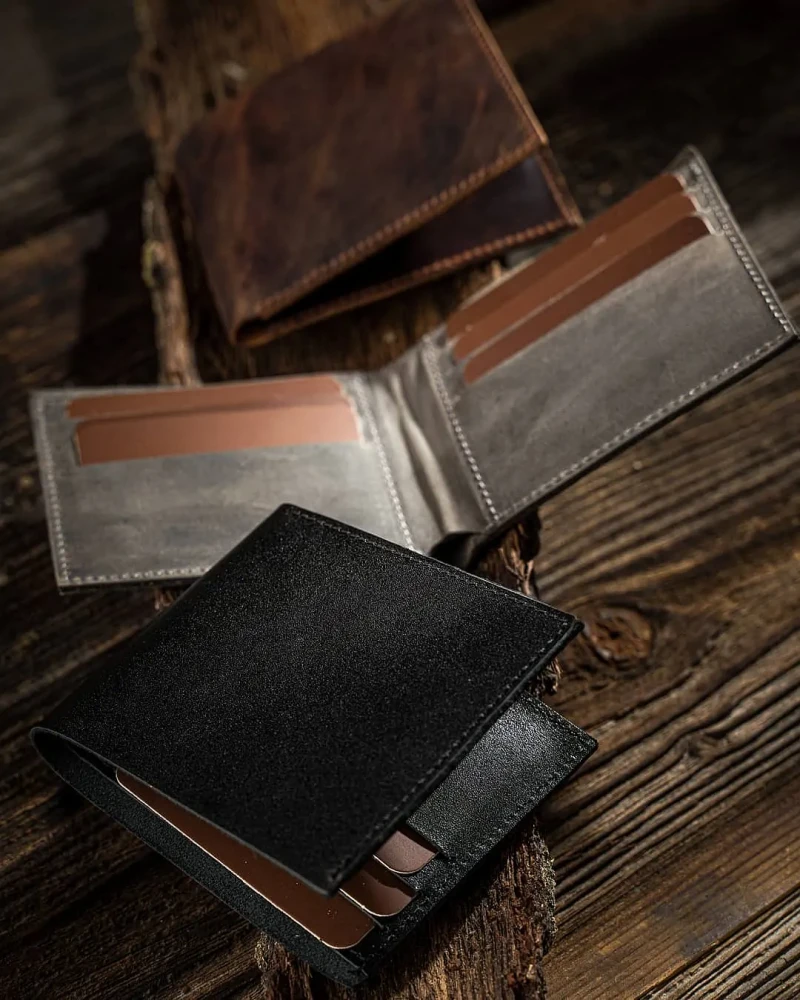
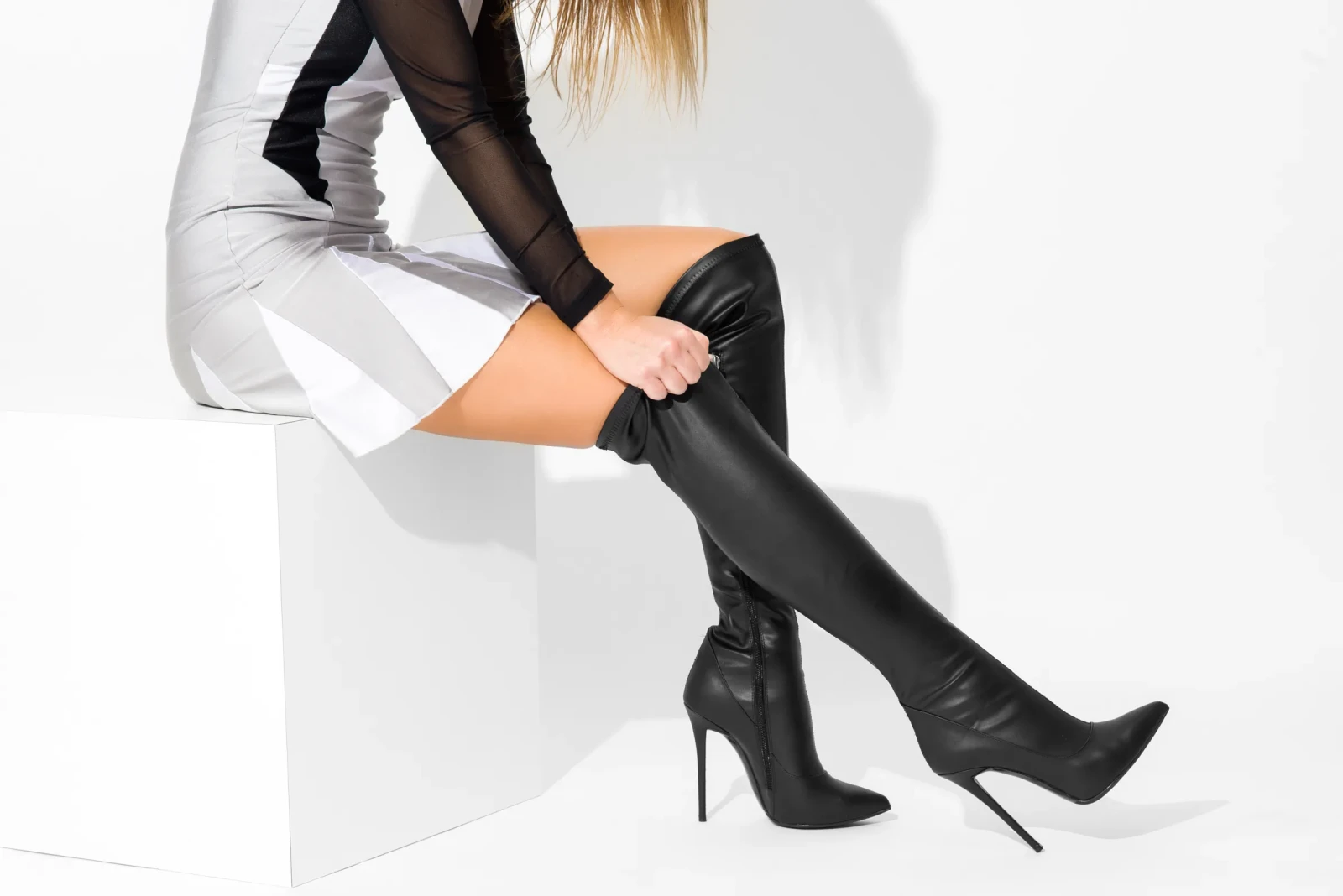
bag photo shoot
A Guide to Product Photography

6 Tips for a Leather Shoe Photo Shoot

To achieve good results in a leather shoe photo shoot, simply placing the product in the frame is not enough. The product’s cleanliness, shape, lighting direction, reflection control, detail angles, and the sales channel where it will be used must all be planned together.

With products like leather shoes, bags, and accessories, customers cannot touch the item. The texture, sheen, color, stitching quality, sole construction, and shape of the leather are assessed through photographs. Therefore, a product photo is not just a visually appealing image—it is a set of information that helps the customer make a decision.

This guide highlights the six most common mistakes made when photographing leather shoes. The same principles can also be applied to photographing leather bags, wallets, belts, and accessories.
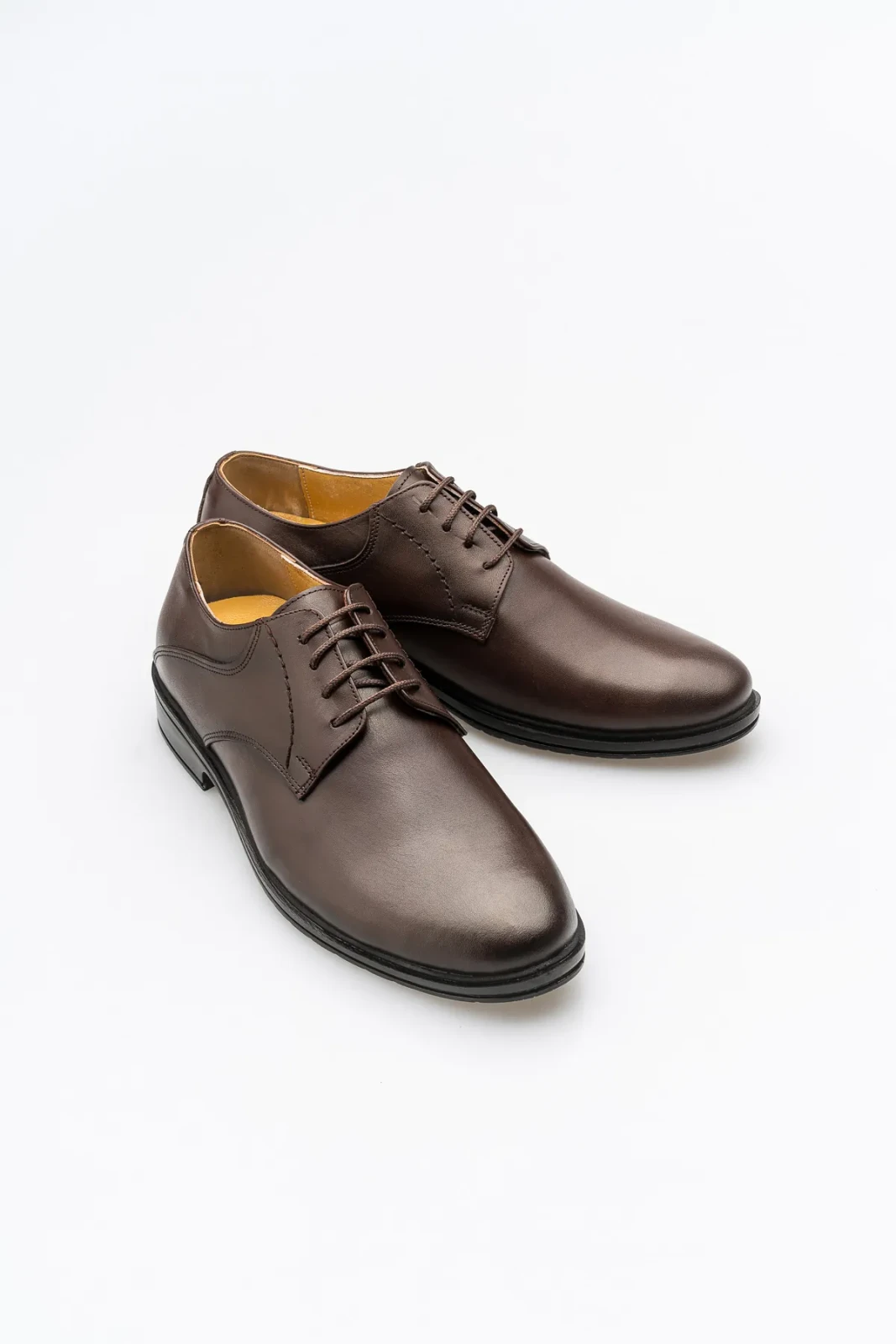
Focus: Leather Shoe Photo Shoot Scope: light, form, texture, angle Uses: e-commerce, catalog, brand website
Product photography for leather shoes and leather accessories
In leather shoe photography, lighting can make the product’s shape and material characteristics appear better or worse than they actually are.
Short answer

How should you take photos of leather shoes?

Photos of leather shoes should be taken with the product in its original shape, using broad, controlled lighting, with proper white balance, from front, side, and back angles, and highlighting texture details. A single main image is often not sufficient.

The most common mistake

Shining light directly on a shiny surface

A direct flash or small light source creates harsh highlights on shiny skin. This obscures the product’s surface details and diminishes the perception of its true quality.

E-commerce Note

Photos should be prepared according to the sales channel

For the marketplace, a white background and technical clarity are key. For the brand website and social media, details, usage context, a stylized set, and a short product video may be required.

Some of the brands we work with in the leather, footwear, and handbag categories

The approach outlined in this guide is based on practical challenges we frequently encounter in product and e-commerce photography projects.
Atelier Istanbul Lusive Shoes Oscar Shoes and Bags Antonella Ferrante Gardin Leather Gillie Vagner Atelier Chelsea Leather
Tip 1

Prepare the Product Before the Shoot

The first mistake in a leather shoe photo shoot is usually not related to lighting, but rather to placing the product on set without preparing it for the shoot. The camera magnifies dust, marks, wrinkles, dents, and distortions that appear small to the naked eye.

Pre-shoot checklist

  • Use a microfiber cloth to wipe away dust and fingerprints from the shoes.
  • Make sure the laces, buckles, zippers, and metal accessories are symmetrical.
  • If there are any marks on the product caused by manufacturing, sampling, or packaging, check them before taking the photo.
  • If you're going to photograph different colors of the same model, separate the products by SKU or variation code.
  • Make sure the right and left shoes are from the same pair and are in the same condition.
Product photo of leather shoes on a white background
Minor surface imperfections in shoe photos taken against a white background become more noticeable, especially in high-resolution shots.

Practical note: Post-production alone can’t solve everything in product photography. Using clean, well-shaped products before the shoot reduces retouching time and more accurately shows the product’s true form.

Tip 2

Keep Your Shoes in Good Shape

In leather shoes, the shape is one of the key factors that determine the product’s perceived market segment. A shoe with a sagging toe, wrinkled sides, or a warped heel line looks poor even under good lighting.

Use of Molds

Support the nose and body line

Placing a suitable insole, paper, or supportive material inside the shoe helps restore its shape. However, the support should not be so stiff or excessive that it distorts the shoe’s natural silhouette.

Dual view

Align the right and left shoes

Symmetry is important in product photography of pairs. If one of the shoes is positioned too far forward or too far back, it gives the product page an amateurish look.

Angle discipline

Select the lens angle based on the product

Using a very wide-angle lens can make the toe of the shoe appear larger than it is and the heel smaller. A more controlled lens and camera distance that does not distort the product’s proportions should be preferred.

Checking the condition of products is important not only during studio shoots but also when preparing them for shipping. If a product arrives at the shoot crushed or creased, it takes time to restore it to its original shape. For this reason, products must be shipped without being crammed into the box, and especially without the leather surface being crushed.

Tip 3

Set Up the Light with Reflection Control

In a leather shoe photo shoot, lighting does more than just illuminate the product. It determines the leather’s sheen, texture, surface character, and perceived quality. For this reason, direct, harsh light should be used with caution, especially with shiny and polished leather products.

Lighting Control for Leather Shoes and Leather Accessories Photo Shoots
For leather products, a wide, controlled light source provides good visibility. More directional light, on the other hand, can highlight texture and character.

How do you distinguish between soft light and hard light?

  • Soft light: This effect is achieved using a large softbox or a wide diffuser. A white background ensures reliable results for catalog and marketplace photoshoots.
  • Harsh light: It is created using a smaller, directional light source. It can add a distinctive effect to images of distressed leather, Western boots, or camping scenes.
  • Side light: It makes the stitching, veins, embossing, and surface texture visible.
  • Controlled shade: It lets you feel the shoe’s grip on the ground and its volume.

Situations to avoid: Shining a small light source directly onto a glossy surface can create harsh white glare on the surface. This glare obscures texture details and makes it difficult to determine the product’s true color.

Tip 4

Take Separate Photos of the Fabric, Stitching, Sole, and Logo Details

In a photo of leather shoes, the main image showcases the product, but the detailed images help build customer trust. Especially in online sales, customers want to see the product’s stitching, sole, interior, buckle, zipper, and leather texture.

Tissue

Show the surface characteristics of the skin

Matte, glossy, distressed, suede, or patent leather may not look their best under the same lighting. When photographing textures, lighting can be used more from the side.

Labor

Show the seam and edge finish

Stitch spacing, edge finishing, and seam lines are important for quality perception. If these areas appear small in the main frame, a close-up shot should also be taken.

Usage Information

Don't forget the bottom and the inside

The sole construction, heel height, inner label, lining, and comfort can influence a customer’s decision. In particular, a shoe’s appearance alone is not enough.

Close-up shots aren’t added just to make the product page look more full. When used correctly, they reduce the risk of returns, minimize customer questions, and make the product’s price segment clearer.

Tip 5

Keep the Color Close to the Actual Product

Color discrepancies in leather products are one of the most serious e-commerce issues. Shades of black, navy blue, dark brown, burgundy, and tan may appear different than they actually are due to improper lighting or incorrect white balance settings.

Points to Consider for Color Accuracy

  • A consistent lighting style should be used throughout the shoot.
  • The white balance should be checked every time the set is changed.
  • Different colors of the same model should be photographed using the same lighting approach.
  • During post-production, the product's true color should not be rendered too warm or too cool.
  • There should be no unnecessary differences between the color scheme used on the brand’s own website and the visuals on the marketplace.
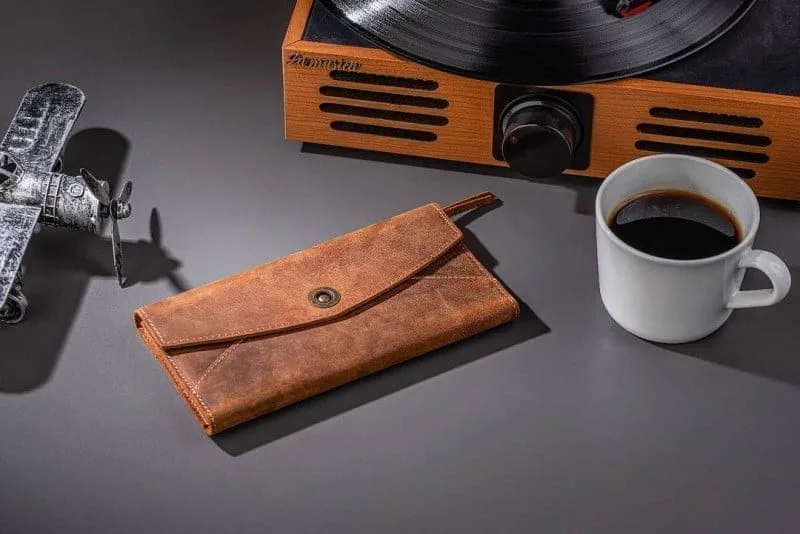
Color and texture checks for product photos of leather bags and leather accessories
Color accuracy in leather goods directly affects customer expectations and the risk of returns.

The goal here is not to manipulate the color to make the photo look “more beautiful.” The goal is to produce an image that is close to the product’s true color, consistent across sales channels, and does not disappoint customer expectations.

Tip 6

Create a Channel-Based Visual Set Instead of a Single Frame

A single photo of leather shoes is often insufficient. Marketplace platforms, brand websites, social media, and advertising each have different visual requirements. Identifying these usage channels before the shoot ensures a more efficient production process.

Marketplace

White background and clear product information

For platforms such as Trendyol, Amazon, Hepsiburada, and similar channels, a clean white background, a clear frame, and clear product recognition are important. For this purpose, Product Photography for Trendyol and Amazon It can also be planned.

Brand website

Details and Description Section

On the brand’s own website, information about the fabric, sole, inner lining, usage, and collection can be presented in greater detail alongside the main image. At this stage professional product shooting It should not be thought of as limited solely to a white background.

Summary: A good visual set for leather shoe photography typically consists of a main white background shot, side and rear angles, sole and texture details, usage context, and, if necessary, a short product video. For dimensions and file format, see also E-commerce Product Photo Dimensions The guide can be reviewed.

When is a professional photo shoot needed?

When Is It Best to Schedule a Leather Shoe Photo Shoot at a Studio?

If you're conducting a social media test with just a few products, a simple photo shoot may be sufficient. However, if the products are to be used on an e-commerce site, marketplace, in a catalog, for a campaign, or in an advertisement, the photo shoot should be planned more carefully.

Multiple products

Consistency is essential in mass-produced goods

When photographing different colors, sizes, or collection variations of the same model, consistency in lighting, angle, and framing becomes important.

Marketplace

Technical rules come into effect

On marketplaces, the background, framing, file size, and product visibility should be more standardized. In this case, the shoot should be planned from the outset in accordance with the platform’s guidelines.

Brand perception

The quality of the materials should be evident

If a leather product is in a high-end price segment, the texture, shape, and craftsmanship must be clearly visible. These details can easily be lost in a poor-quality photo.

Our Customers' Experiences

Short Google Reviews Selected from Our Product Photography Projects

This guide is for informational purposes only. However, real customer experiences can provide insight when evaluating the product photography process. We’ve selected a few brief examples from reviews posted on Google for LUX Production / Burak Bulut Photography Studio that are relevant to product photography.

“They photographed the product images for our e-commerce company with great care, using professional, high-quality photographers.”

Recep Sermet / Colorndrive Car Touch-Up Paint

“We filmed our product videos with LUX Production. The footage turned out great.”

Martina Franca Jewelry, Italy

“Their product photos are of the highest quality. They’re true professionals when it comes to photography.”

Eyeofhorus Eyewear

“We worked with Lux Production on our product photo shoots. They’re a fast, meticulous, and aesthetically minded team.”

Nazlı Ece Özbay / E was There Fashion

You can view Google reviews here: LUX Production Google Reviews

Frequently Asked Questions

Questions About the Leather Shoe Photo Shoot

What is the most important aspect of a leather shoe photo shoot?

The most important thing is to accurately depict the product’s shape, true color, surface texture, and details. Lighting, angle, and product preparation directly affect these four aspects.

Should leather shoes be photographed against a white background?

A white background is generally required for marketplace, catalog, and standard product pages. However, for brand websites, advertisements, and social media, additional images featuring decorative elements, models, or close-ups can also be planned.

How do you polish shiny leather shoes?

When photographing shiny leather shoes, avoid small, direct light sources. A wide diffuser, controlled light direction, and careful reflection control yield cleaner results.

What angles should be used when photographing leather shoes?

Generally, front, side, back, top, bottom, interior, and close-up views are required. The logo, stitching, buckle, laces, zipper, and leather texture may also be shown.

How should shoes be prepared before a product photo shoot?

Shoes must be cleaned, their shape must be maintained, laces and accessories must be adjusted, right and left shoes must be paired, and information on variations must be separated. Dust and fingerprints on the surface must be removed before the photo shoot.

Is a video necessary for a leather shoe photoshoot?

It is not required. However, a short product video can be helpful if you want to showcase the fabric, sole, how it opens and closes, the feel of the product, or a social media ad.

If you're planning a leather product photoshoot

Start by clarifying your product list and distribution channels.

If you’re planning a photoshoot for leather shoes, bags, wallets, or accessories, preparing a brief that includes the number of products, variations, distribution channel, need for a white background, requirements for a decorated set, and sample images (if available) will make the process easier.

LUX Production creates product, e-commerce, catalog, and advertising photography and video production projects through its Istanbul studio and its Berlin/Europe service area.