
U.S. E-Commerce Image Dimensions: Etsy, Amazon US, Walmart, and eBay
There is no single, universal standard for product images in U.S. e-commerce. Etsy, Amazon US, Walmart, and eBay each have different requirements for the main image background, file size, framing, usage scenario, and secondary images. Therefore, it is necessary to prepare the shoot according to a single high-resolution production plan and provide platform-specific final files. While Amazon US and Walmart have stricter requirements for main images with white backgrounds, Etsy emphasizes showing the product’s scale and usage context, and eBay prioritizes clearly documenting the actual condition of the product being sold. The comparison table further down this page lists the current dimensions and main image guidelines for the four platforms side by side; by identifying your target sales channels before the shoot, you can use the table to clarify the scope of your deliverables.

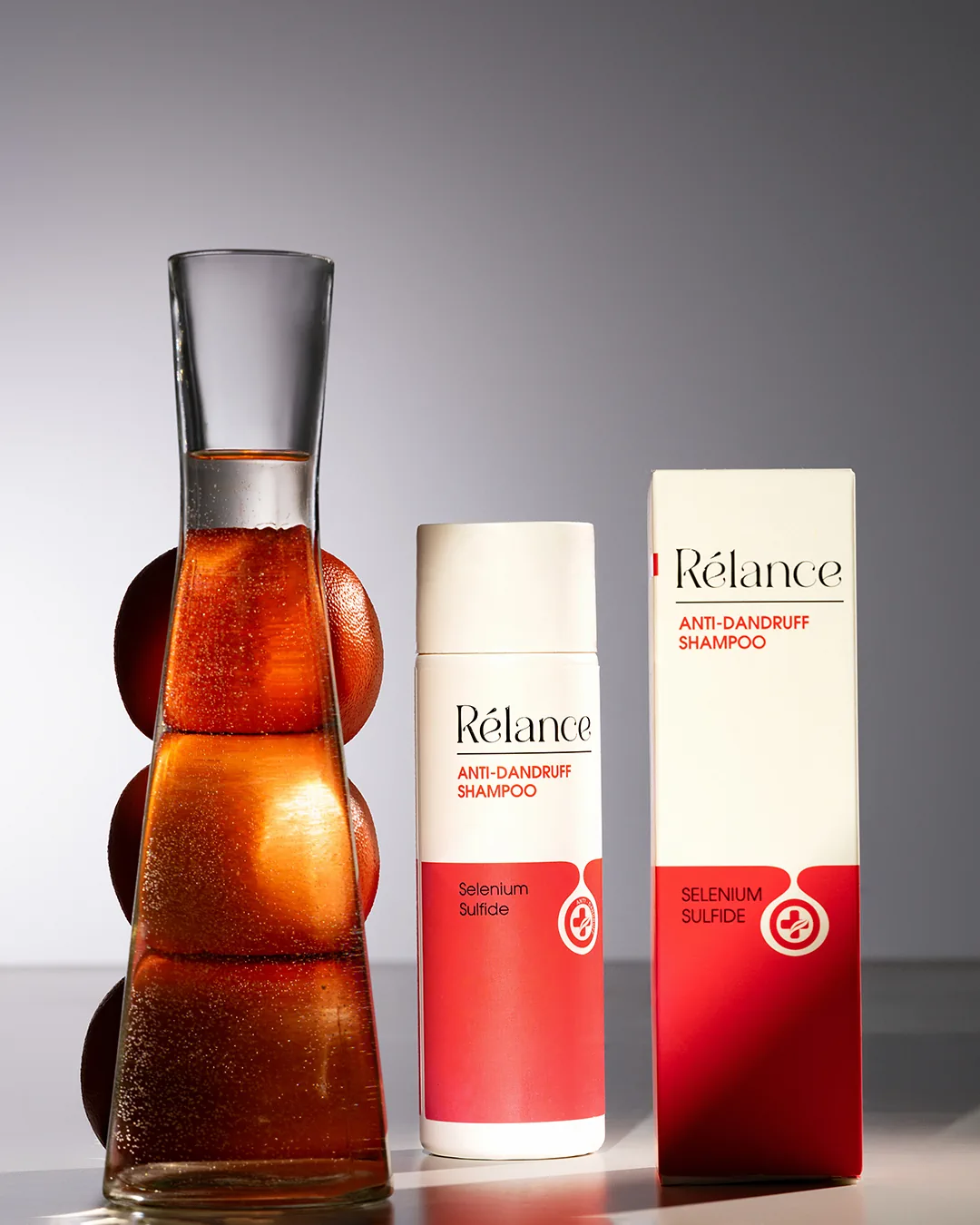
Real product, real set: In the LUX Production examples on this page, the products are physically brought to the set. The backdrop, floor, set design, and lighting are created using real materials; we do not generate product visuals using artificial intelligence. The goal is to accurately capture the shape, color, surface, and scale of the product as it appears on the market during the shoot.
Our Portfolio of Home Textiles and Decor Photography
Our customer case studies, selected from product groups that illustrate the interplay of texture, scale, and context of use in e-commerce.







Selected brands from our other customers
A selection from LUX Production’s client portfolio, spanning various product categories and industries.




















































Google Reviews from E-commerce and Product Photography Projects
From the genuine customer reviews published on Google for LUX Production / Burak Bulut Photography Studio, we’ve selected the ones most relevant to e-commerce, marketplaces, and product photography. We’re reproducing the text without altering its meaning.
Professional and great team. We worked with them in both location and studio shootings, and they determined our needs with their expertise and offered quick solutions and suggestions. We entrust all the processes of both decorated and white background shots of our Dreamy Rikka brand for all domestic and international marketplaces with peace of mind. You will definitely not need to look for a different alternative.
“We’re very pleased with their work. They’re a professional, efficient team that delivers the same high quality on every shoot. We highly recommend them.”
“They photographed the product images for our e-commerce company with great care, using professional, high-quality photographers. We didn’t even need to edit the photos—they were perfectly composed right from the start. We were very satisfied with this service, which was the first time we’d outsourced this work. Considering the quality of service this studio provides, their pricing is also very reasonable.”
“As an eyewear brand, we are very satisfied with the studio. We’re looking forward to a long-term partnership. Their product photography, attention to detail, and dedication are top-notch. They are true professionals when it comes to photography. We haven’t had any issues so far. We definitely recommend them. We’d like to thank Ms. Meryem and the entire team. You can see a sample of the product photo they took in the attachment.”
“We worked with this agency on photo and video shoots for our products and were very pleased with the results. We were particularly impressed by their professionalism and creativity during the lifestyle photo shoots featuring models. They also produced exceptionally high-quality work for both our product videos and product photos. They not only accurately reflected our brand’s image but also produced content that supported our sales. I highly recommend them for their work ethic, teamwork, and meticulous attention to on-time delivery. I’d like to thank Simge for managing the entire process so successfully.”
“Hello everyone, We at Şahin Metal received assistance from them for our product catalog photos. We’d like to thank them very much for their service, speed, and the amazing photos. Tufan ÖZAY”
Is there a single standard size for e-commerce photos in the U.S.?
No. While Amazon specifies a long-edge range of 500–10,000 px, Walmart targets a 2,200 × 2,200 px square file; eBay requires a minimum of 500 px, while Etsy recommends that both sides of listing photos be 2,000 px or larger. Therefore, instead of uploading the same file to all platforms, you need to prepare channel-specific versions.
First, clearly define the product
A white background, a clean frame, accurate product color, and sufficient resolution form the foundation of technical compliance—especially for main images on Amazon and Walmart.
Fills in the missing information needed for the decision
Dimensions, texture, usage, package contents, close-up details, model, and real-life usage scenes are shown in separate images.
Extract a multi-channel file from a single take
Files featuring square, horizontal, and vertical views, as well as white-background and in-use shots from the same product set can be prepared separately depending on the sales channel.
Can the photo shoot, video shoot, and white background session be scheduled for the same day?
Yes, if the project scope allows it. At the LUX Production Istanbul studio, we can run product shoots on a white background, staged photography, and staged or model-based video shoots on three parallel production lines. This allows us to prepare different delivery formats while maintaining the same product presentation, color scheme, and visual style.
Linking three production lines to the same shoot outline makes it possible to complete in a single day what other productions might take 2–3 days to accomplish, while maintaining a consistent visual style across both photography and video.
What product images should a brand that sells to the U.S. prepare?
The most comprehensive starter kit consists of a main product image, close-up shots, images showing dimensions and usage, a model or physical props when necessary, and a short product video. Both platform guidelines and the product category determine the type of photoshoot.


Who makes the visual decisions for product photos?
Burak Bulut Yıldırım oversees decisions regarding camera work, optics, framing, and lighting. Meryem Aydın plans the product presentation—including the selection of real backdrops, surfaces, textures, and props—on the physical set. The video production, post-production, and delivery workflow are carried out in collaboration with the LUX team.
Finalize the filming schedule for your U.S. sales channels
Please send us your product list, target platforms, the expected number of images per product, and any sample images you may have. Let’s determine which shots require a white background, usage scenes, set design, models, or video, and prepare the scope of the proposal.