
15 Tribes of Turkey's Photography World: Which Community's WhatsApp Group Are You In?
In Turkey, photography isn’t just about aperture, shutter speed, and ISO; there’s also another system that no one admits to: Ego, a sense of belonging, and “who took a dig at whom” triangle.
Masters who can’t step out of the darkroom, those who juggle tea and chairs in the clubroom, those who use the wall of medals as a full-length mirror, content creators who see the ring light more than daylight… They all live in the same universe, just in different climates. Some come up with ideas before opening a RAW file; others open a lens comparison before coming up with an idea.

The Sociology of Photography: The Tiny Science of Who Wears What Where
The following 15 tribes are a little exaggerated, a little cropped, but 100% familiar. Sometimes you will laugh thinking “That's just like teacher X”, and sometimes you will feel slightly uncomfortable thinking “Isn't that just me?”. Both are good signs.
It's a good little map to get to know the tribes, to understand which drama can attract you, which environment is better to stay away from, who you can walk side by side with and who will increase your production. Now we open this map: 15 tribes of the Turkish photo universe in front of you.
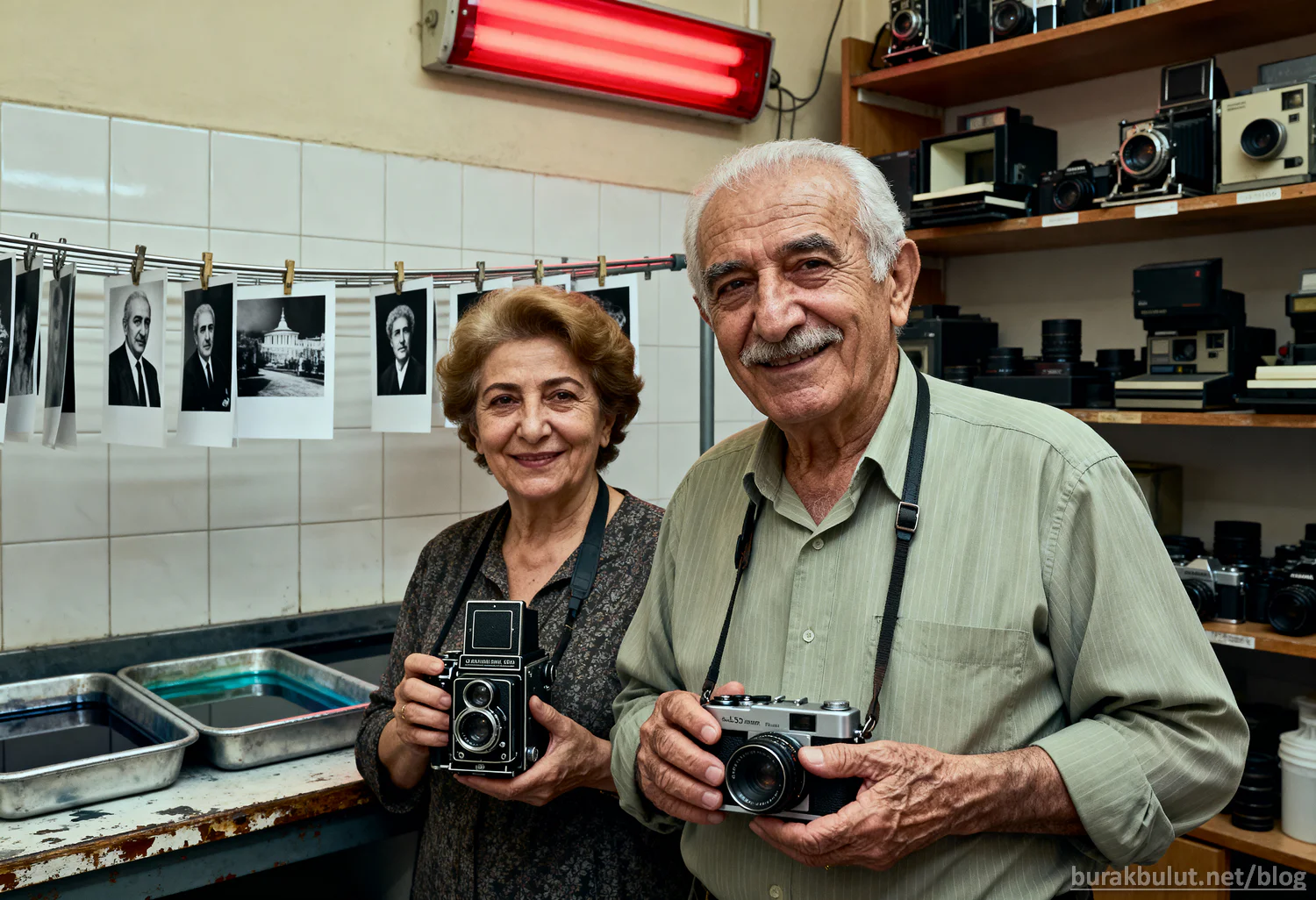
The Elders: The Dark Room Generation
This generation consists of people who consider the smell of fixer a form of light meditation and view the word “grain” not as a technical issue but as an emotional connection. For them, analog isn’t nostalgia—it’s a way of life. When new technology comes up, their expressions first drop slightly, then the classic line follows: “We were already doing this back in the ’80s.”
The good thing is this: They know very well the value of light, the limitations of the material, and what it means to pay the price when they make a mistake. The downside is that they sometimes turn this into a “Young people don’t know anything” monologue. Still, if their eyes light up when they’re describing that moment when a print slowly emerges in the darkroom, you should just shut up and listen.

Association Members: Tea, Agenda, Board of Directors List
Association members love taking photos; but sometimes you realize that, actually, they love holding meetings even more. Agenda items, election slates, management tiers, the possibility of an “extraordinary general assembly”… And of course, there are exhibitions, talks, and screenings thrown in here and there.
The community aspect is invaluable: It helps the photographer socialize, and it can lead to new friendships, exhibition opportunities, and collaborative projects. The risk is this: If life boils down to the question, “Am I in charge or not?”, you’ll find yourself opening a “agenda file” instead of picking up a camera. It’s possible to go to a place to talk about photography and end up leaving with a committee or subcommittee.
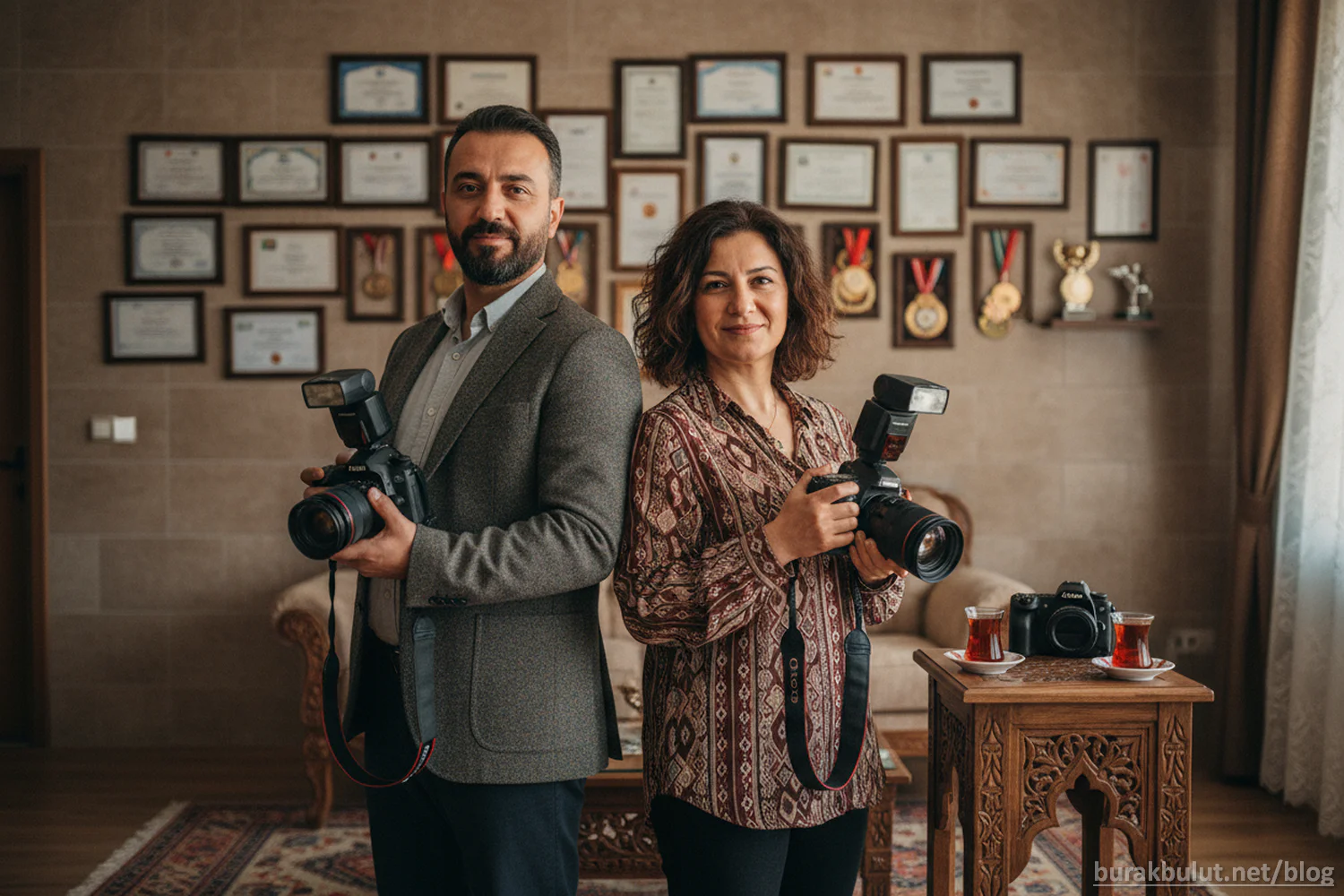
Contestants: The Medal Wall Society
For contestants, life is a long series of acronyms like FIAP, PSA, and GPU, and “acceptance/rejection” emails. Photography is, on the one hand, a form of expression they take very seriously, and on the other, a giant scoreboard.
Competitions are useful for setting short-term goals, accelerating production, and building discipline. But as you filter each new series through the lens of “What does this jury like?,” you might lose sight of your own perspective at some point. A medal hanging on the wall is a nice thing; it’s even nicer if there’s still a personal visual language behind that wall.
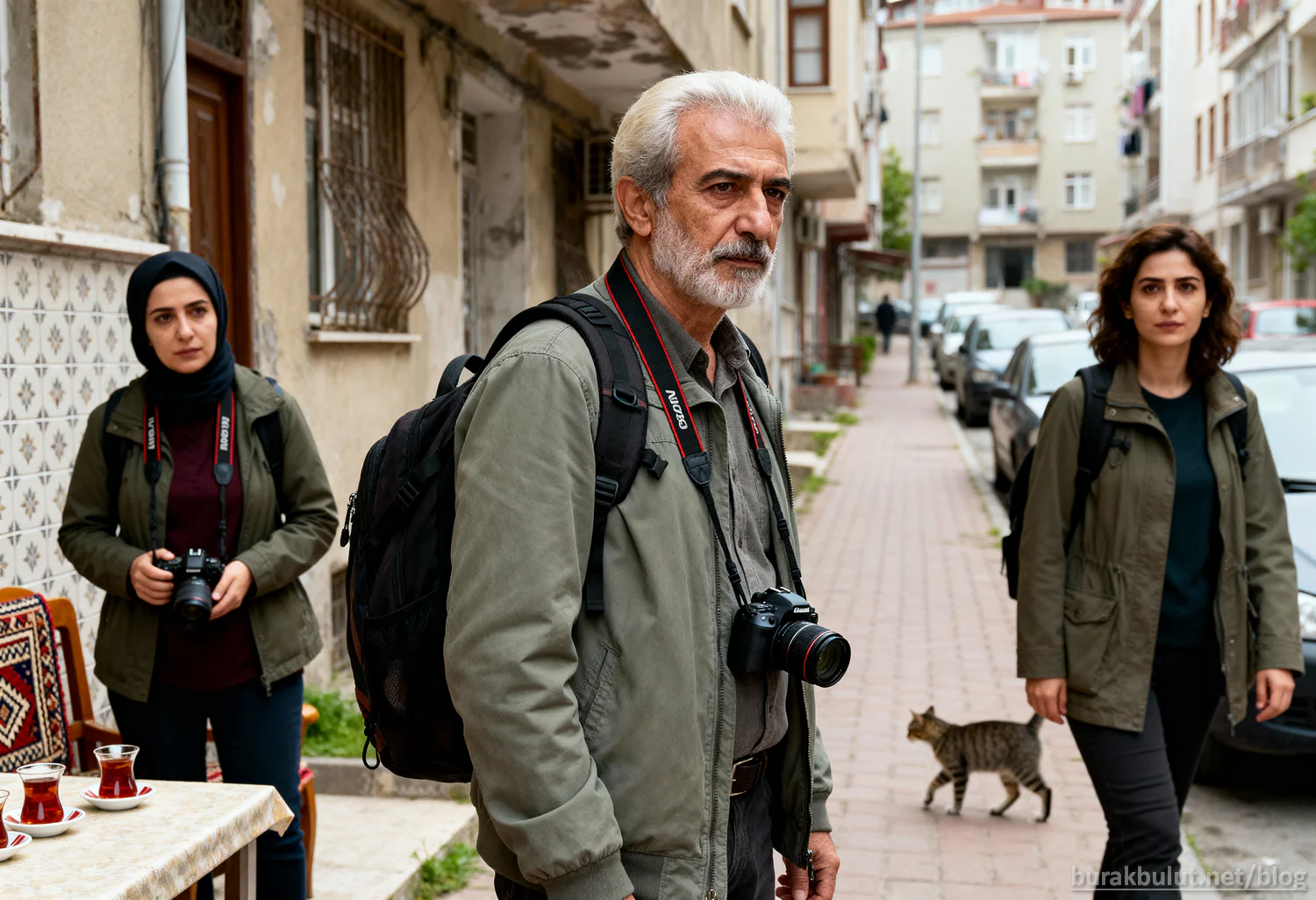
Documentary Filmmakers: The “The Rest Is Visual Entertainment” Crew
For documentary photographers, the equation is quite clear: “If a photograph tells a story, it’s real; the rest is just window dressing.” Fashion, staged shots, product photography, conceptual work… Most of these fall into the category of “pretty but superficial work” for them. If a photo features fog, a child, an elderly man gazing into the distance, and lacks a social context, alarm bells might start ringing.
They’re right in many ways: Research, spending time in the field, and approaching the subject with a sense of responsibility require serious discipline. The problem is that this perspective sometimes drifts toward the mindset that “Only what we do is real; everything else is just for fun.” Yet reality is sometimes hidden on the street, sometimes in the studio, and sometimes under well-set artificial lighting.
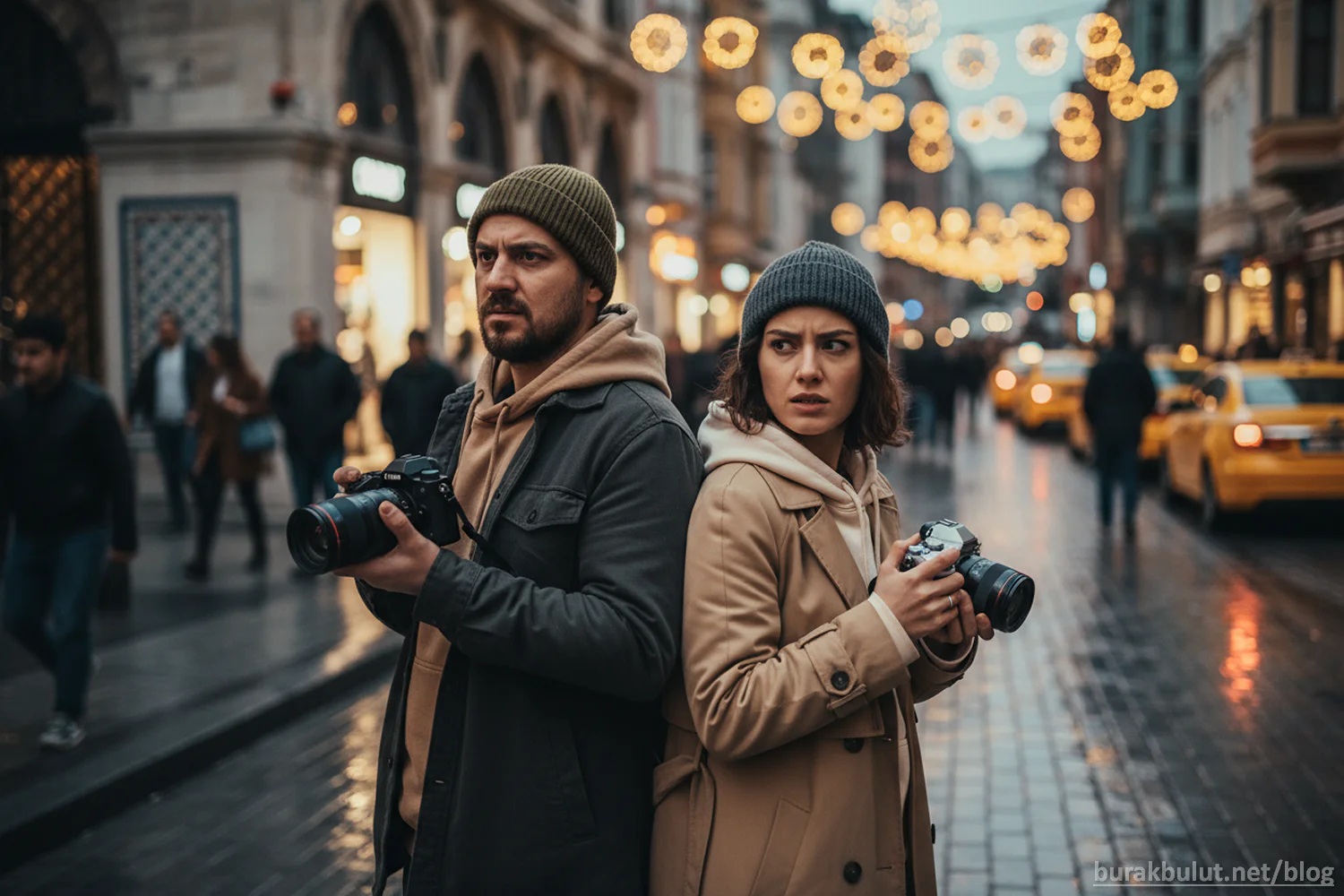
Street Artists: The Sidewalk Collective
Street photographers immerse themselves in everyday life, capturing small miracles, absurd moments, well-placed shadows, and plenty of chaos. Everyone’s definition of “real street photography” is slightly different. For some, people are a must; for others, a shadow is enough; and for still others, the guy who accidentally wandered into the frame is already the main character.
At its best, street photography captures the city’s rhythm, the human condition, and the strange relationships between light and the city. At its most exhausting, the controversy surrounding the photograph overshadows the photograph itself. Sometimes a photo is taken in two seconds, but the controversy lasts three years.
Machinists: The People of Endless Upgrades
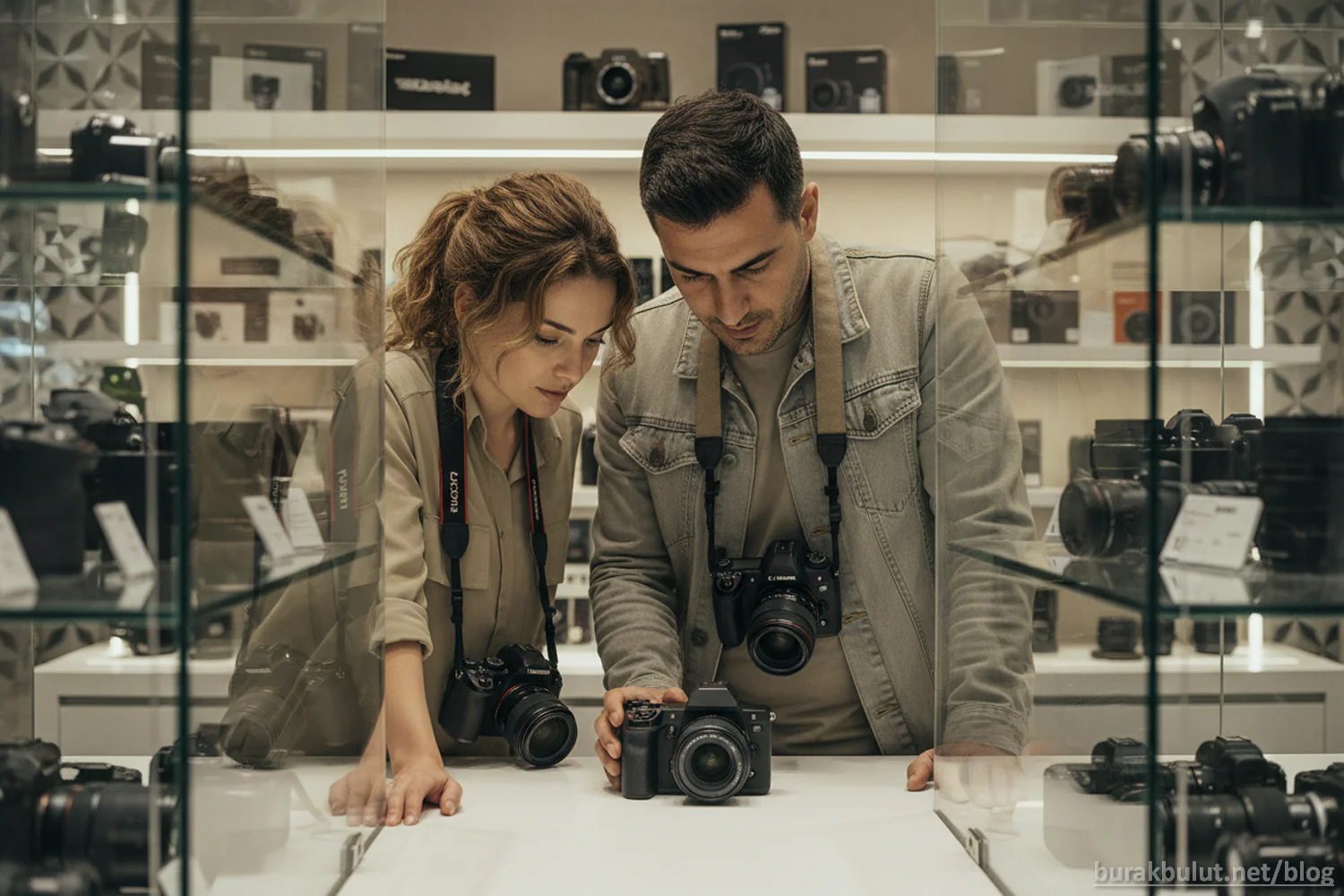
Camera enthusiasts are the ones who check rumors about new camera bodies more often than they check the weather app. Model announcements, sensor tests, and dynamic range comparisons are like their sports news. The phrase “This lens has character” is sometimes the moment when the budget quietly waves the white flag.
A passion for gear isn’t inherently bad. A good camera, a good lens, and a solid lighting system can speed up your workflow. But when the focus shifts from “What am I trying to convey with this camera?” to “At what ISO does this camera start to break down?”, the photograph itself takes a back seat. At the end of this endless cycle of upgrades, what’s often left is a new camera body and an old perspective.
Exhibitors: Galeri Kafası
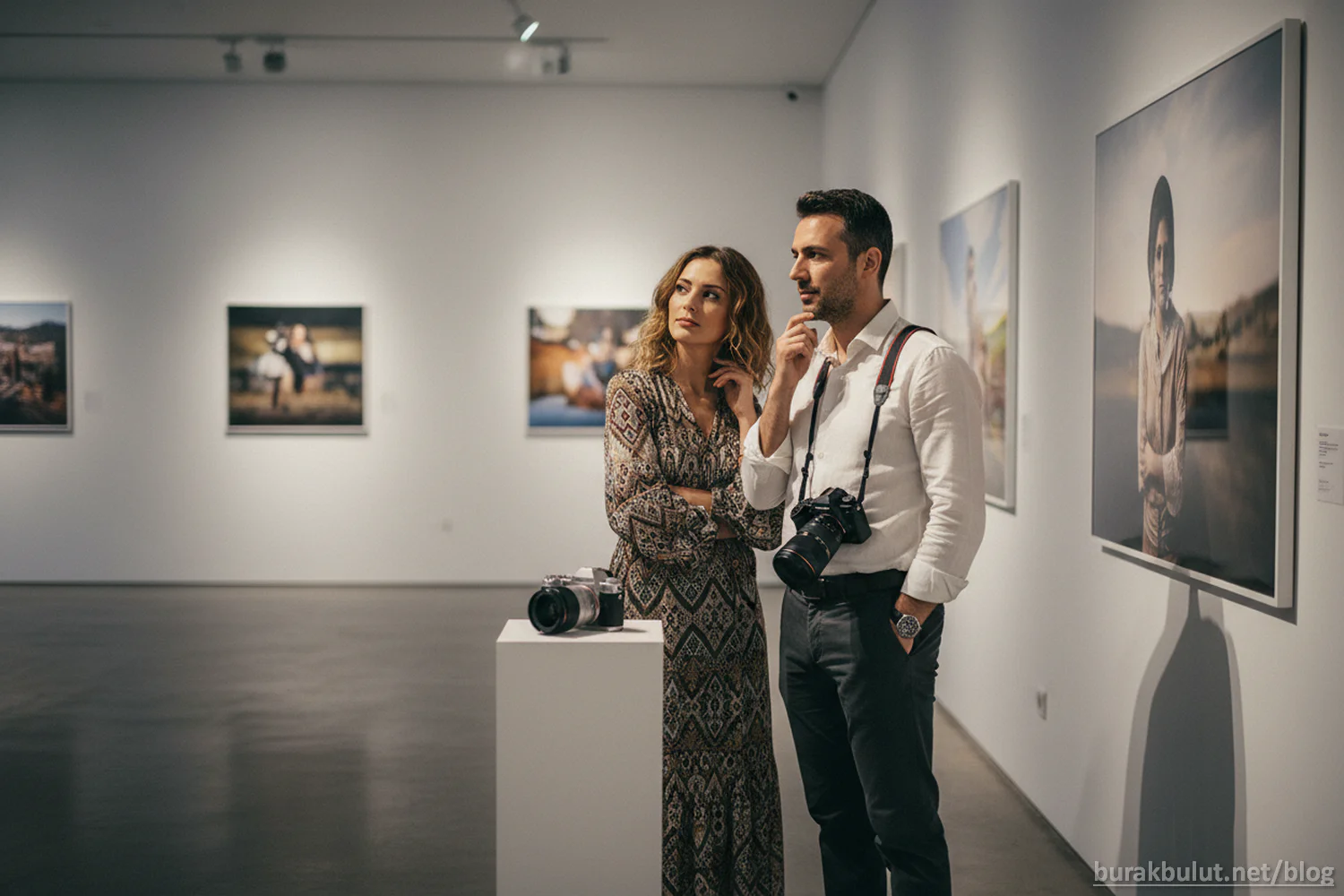
The exhibitors are a team obsessed with experiencing photography not just on a screen, but on a wall, in a book, or as a print. Upon entering the gallery, your pace slows, your head tilts slightly to the side, and your lips curl into an “hmm” expression. Standing silently before a print could be considered the primary form of communication in this tribe.
This group is meticulous about aspects that many people overlook, such as print quality, exhibition design, series coherence, and the viewer experience. But if you only classify work that resembles your own as “good work,” the world of photography shrinks. Not every wall has to be white, and not every caption has to make the viewer feel guilty.
Middlemen: Always There, Never Quite There
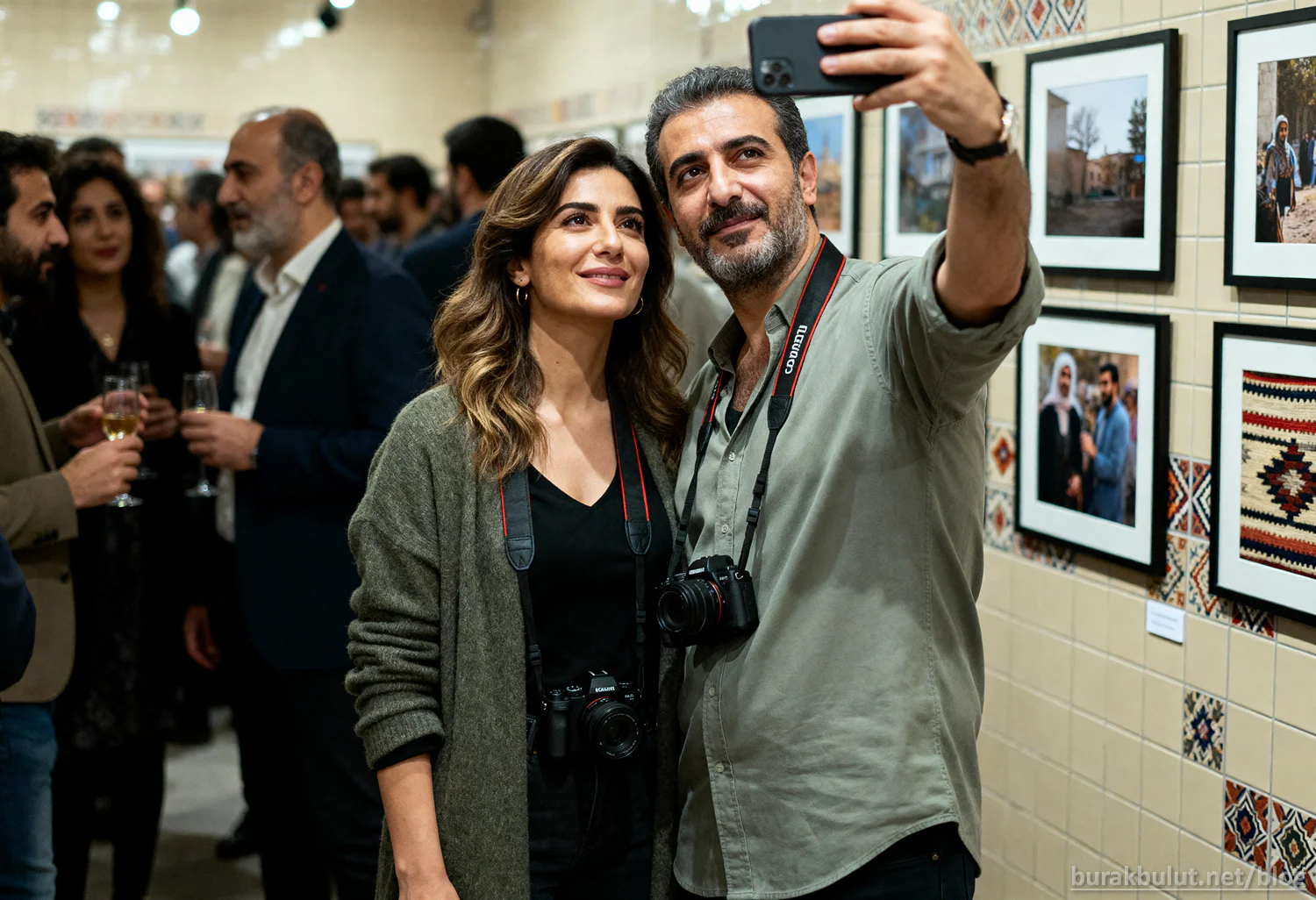
Curators are the social butterflies of the photography world. They’re bound to show up somewhere at every exhibition opening, every launch, and every festival. Their Stories are packed, their calendars are jam-packed, but sometimes their portfolios can be surprisingly empty. They’re like a power plant with low photo output but high visibility.
Networking is valuable. It opens doors, introduces you to people, brings in work, and gets you invited to exhibitions. But if you spend all your energy on “being seen” and leave very little for “creating,” you run the risk of becoming more of a socialite than a photographer. If everyone recognizes you at the opening but no one remembers your latest series, you might need to update your strategy a bit.
Photojournalists: Rain Resistance Test
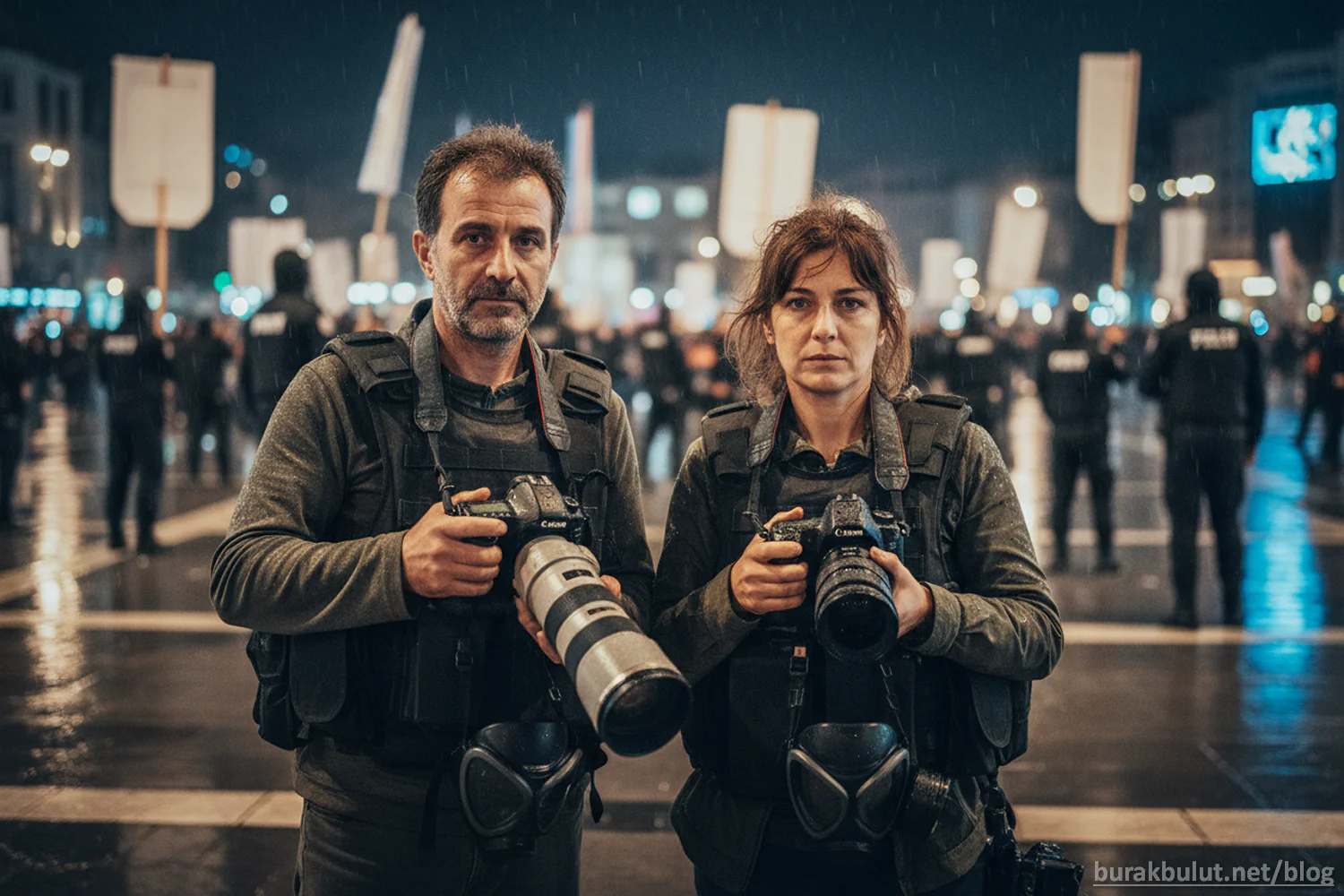
Photojournalists are the ones who capture images right in the thick of life—in those moments when most people would say, “It wouldn’t matter if I weren’t here.” Disasters, crises, protests, nighttime operations, fires, floods… What they see with their own eyes appears on others’ screens as news photos.
In this line of work, technical skills are important, but they aren’t enough on their own. Quick thinking, reflexes, ethical judgment, and endurance are all required at the same time. Protecting the camera in the rain without missing the story, considering safety while framing a shot in a crowd, and then staying calm when asked, “Is there a horizontal shot too?”—all of this requires a distinct professional discipline.
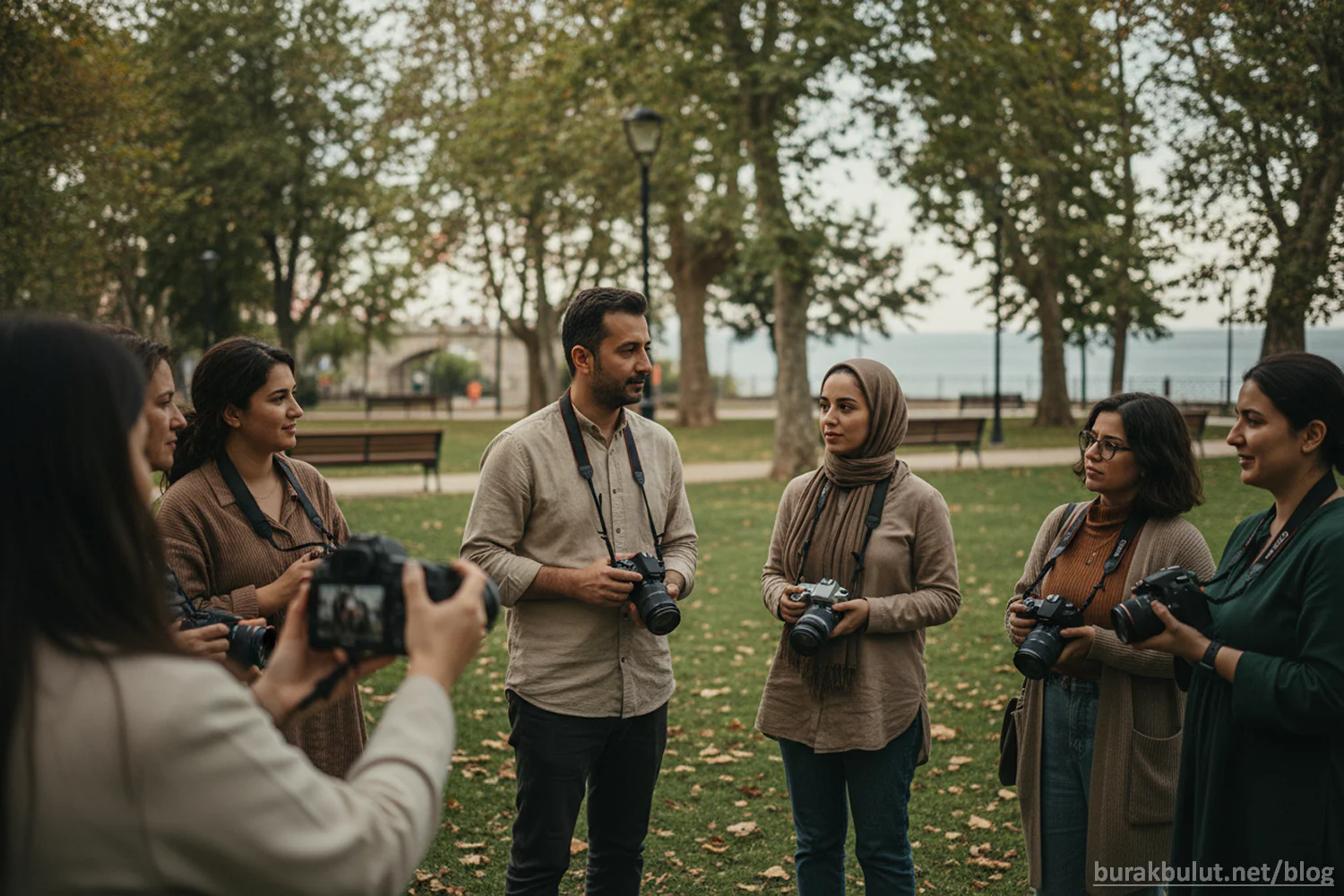
Artisans: The Silent Creators
The workshop participants are the “I don’t like drama, I want to take photos” crowd. They’re a small but resilient group who watch the association’s squabbles from a distance, stay silent during equipment debates, and, upon hearing the competition results, can simply say, “Great, I’ll go shoot some photos.”.
These are the types who produce the most but make the least noise. Their social media posts are brief, but their portfolios are extensive. In the long run, this is exactly the most sustainable creative profile: less talk, more experimentation, and a visual memory that evolves more quietly.
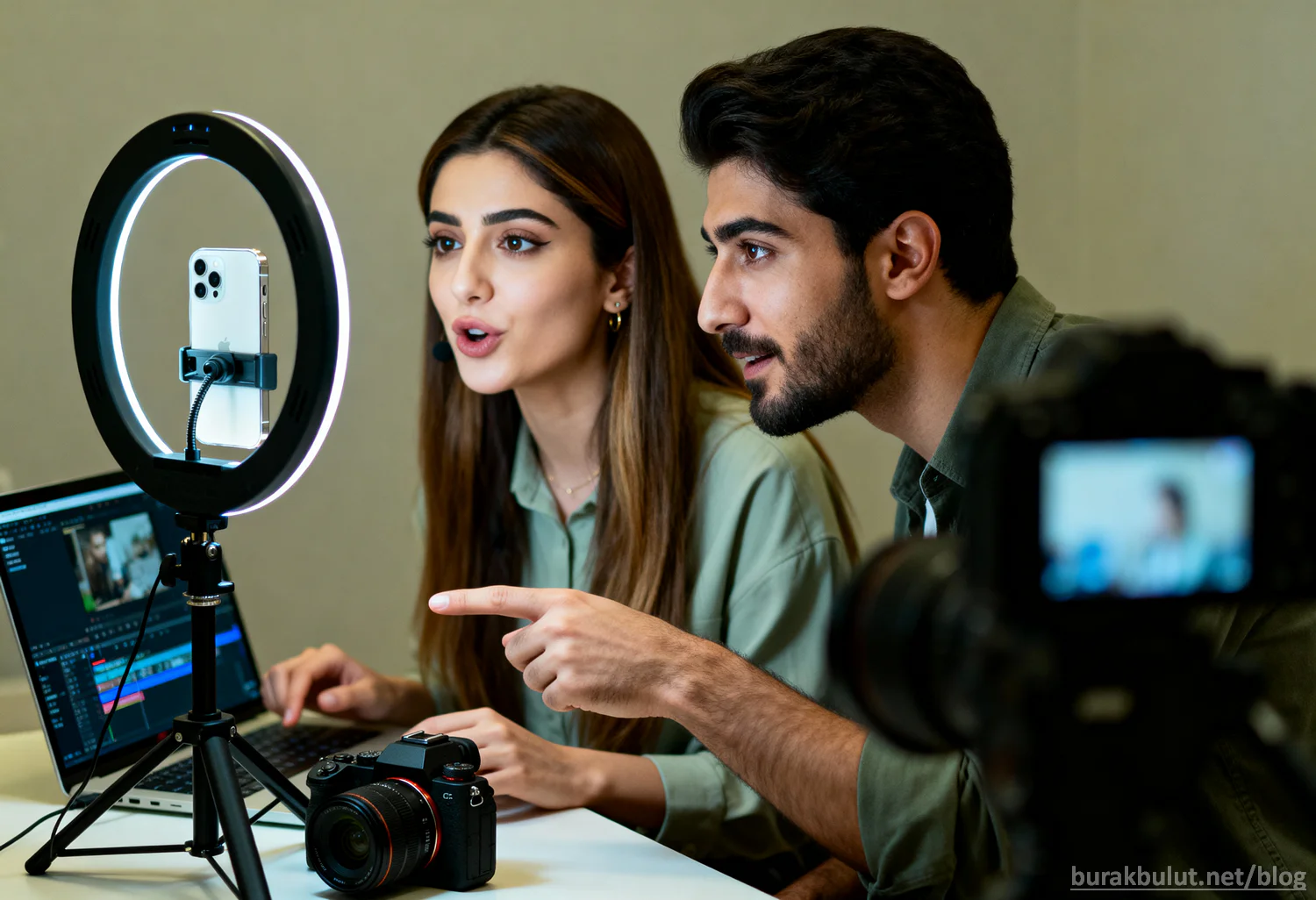
Content Creators: The Republic of Ring Lights
For this group, photography is less of an end in itself and more a part of a “content” package. Lens reviews, preset sales, sponsored products, and phrases like “These settings will change your life” are common. In a single video, you might see the exposure triangle, a discount code, and life advice all at the same time.
It’s noisy here, yes. But a large part of today’s visual culture flows from here, too. Instead of dismissing it all, it’s healthier to distinguish which content offers a discerning eye, an authentic experience, and genuine production expertise. A ring light isn’t a sin; it’s a bit of a problem when the entire aesthetic is surrendered to the ring light.

Turcular: Hot Air Balloon Sunrise Event Team
Tour operators are experts at turning geography and experience into a “photo package.” The sunrise in Cappadocia, snowy landscapes along the Orient Express, the stone architecture of Mardin, the misty highlands of the Black Sea… It’s all part of the itinerary. The only thing usually missing from the itinerary is sleep.
At their best, these tours are educational: a new place, new light, new people, a new perspective. At their worst, however, they end with you shooting the same composition in sequence at every stop, only to feel at the hotel that evening that “everyone’s photos turned out the same.” A photography tour can be a good starting point; the key is to be able to strike out on your own from there.
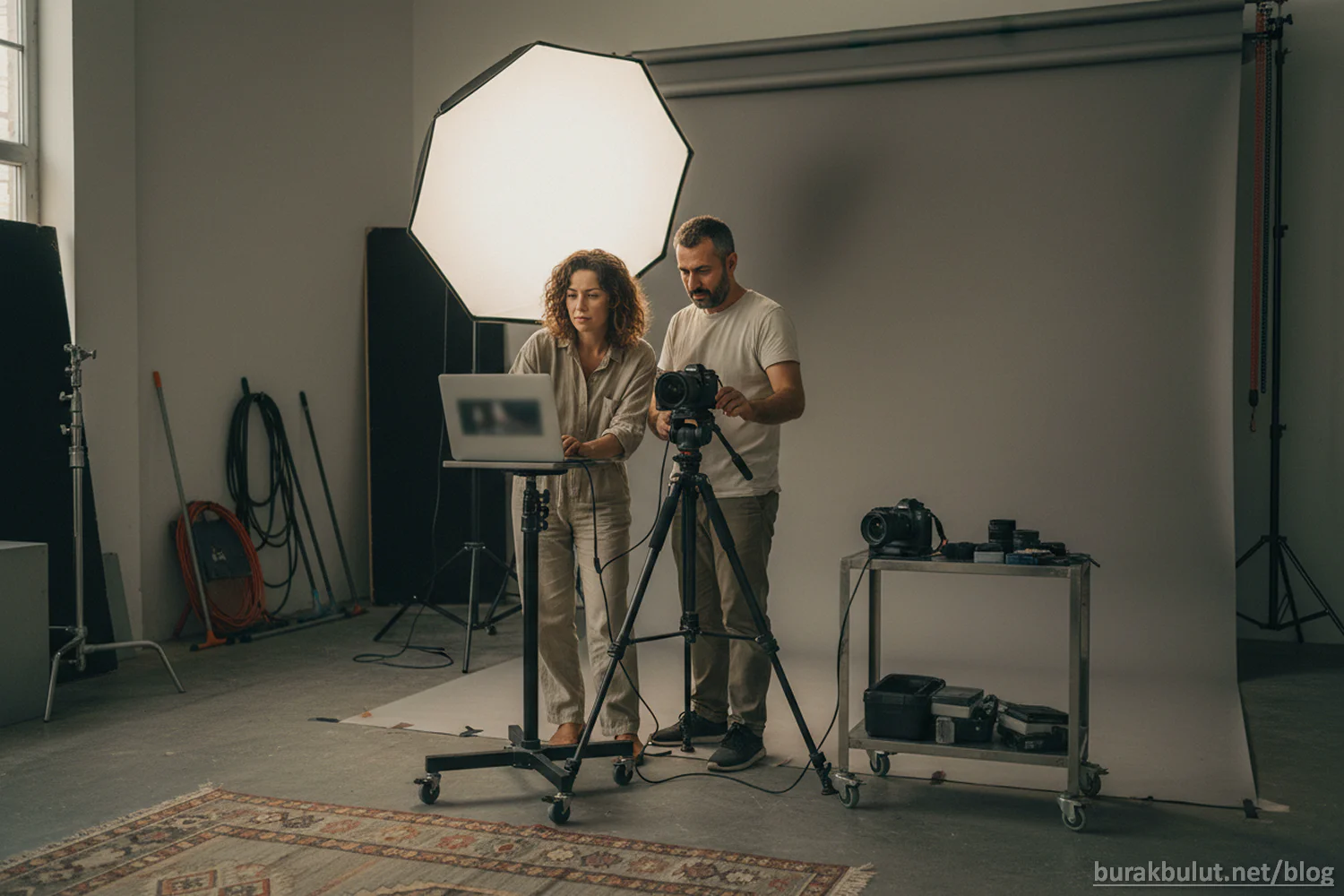
Corporate Professionals: The Brief, Budget, and Revision Triangle
For corporate clients, photography is often more about the art of managing email chains than setting up the lighting. A mood board arrives, then the mood board changes, and then a round of revisions begins—something “a bit more premium, but not too premium.” Shoot day, however, is a unique test where everyone simultaneously wants something “very natural but still on-brand.”.
This world is exhausting but educational. Lighting, set design, crew, client management, crisis resolution, file delivery, and last-minute requests are all thrown into the same mix. The corporate photographer fires off flashes, keeps the budget in check, and responds to requests like “Can we make the logo a little more visible?” without batting an eye.
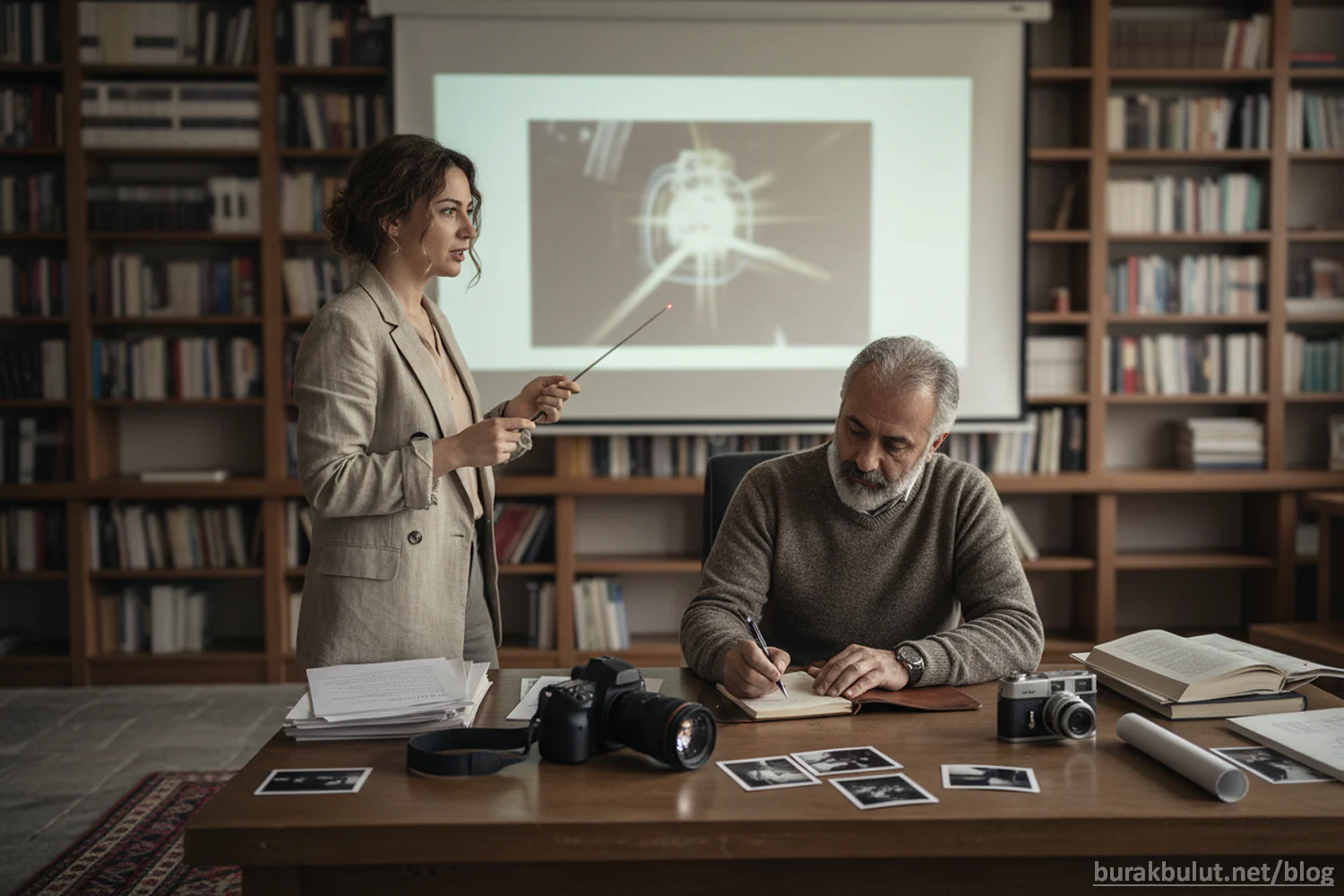
Academics & Theorists: The Laser Pointer Association
Academics and theorists are those who engage with photography not only by taking pictures, but also by writing about it and discussing it. In their world, context is just as important as the frame, representation as important as light, and text as important as the project itself. When describing a photograph, Barthes, Benjamin, Sontag, and the “visual regime” can all be mentioned in the same sentence.
If it weren’t for this tribe, the memory of the photograph would vanish very quickly. The most enjoyable type is the academic who can discuss theory without downplaying practice, and practice without sanctifying theory. The most challenging type, however, is the advisor who demands the conceptual framework—even for a photograph that hasn’t been taken yet—along with the submission deadline.

Digital Natives: The "Infinite Story" Generation
Digital Natives are a generation that spends more time looking at screens than through viewfinders, yet produces dozens of photos a day. The duration of a Story is more critical than a single snapshot; they simultaneously calculate that “I look more aesthetically pleasing at 0.5’ using the phone’s wide-angle lens. For them, the frame is sometimes naturally vertical; if horizontal is desired, it gets slightly distorted.
There’s one thing about this generation that shouldn’t be underestimated: a sense of visual rhythm. The tool is the phone; the issue is the gaze—and while this may bother some, it’s the truth. But when every image is produced for quick consumption, the slower, more contemplative side of photography can fade. In the endless stream of stories, sometimes we need to allow a good photo to speak for itself.
So Which Photo Tribe Are You From?
You’re probably not the only one, and that’s good news. Part of you is the Technician, getting a little excited when you see news of a new body; part of you is the Competitor, wondering, “Should I submit something to that contest?”; and part of you is the Workshop Artist, whose only dream is a peaceful day of shooting.
“What direction do I want to go in this universe and what do I really need to learn to get there?”
The answer to this question brings the focus back to the photography itself, which has been lost in fights, gossip, equipment competition, and the number of likes. Choosing your tribe is fun, choosing your path is a bit more serious.
The Serious Side Behind This Humor
The purpose of this article is not merely to poke fun at the world of photography, but also to help people become aware of their own learning cycle. Because more often than not, the problem isn’t the camera, a contest, a club, an algorithm, or another photographer. The problem is failing to clarify what you need to learn and why.
At a certain point, a photographer is forced to question the habits of their own community. Is it about talking about gear, or actually setting up the light? Is it about visiting exhibitions, or churning out work? Is it about sharing stories, or building a visual language? One-on-one work sometimes comes in handy right here: to cut through the noise and return to the photograph itself.
If you want to clarify your path a little: One-on-One Lessons
If you’ve read this far, you’re most likely really thinking deeply about photography. Either you’re new to it and the variety of characters on the scene has taken you a little by surprise, or you’ve been in the field for years and have realized you’ve been going through the same cycles over and over again.
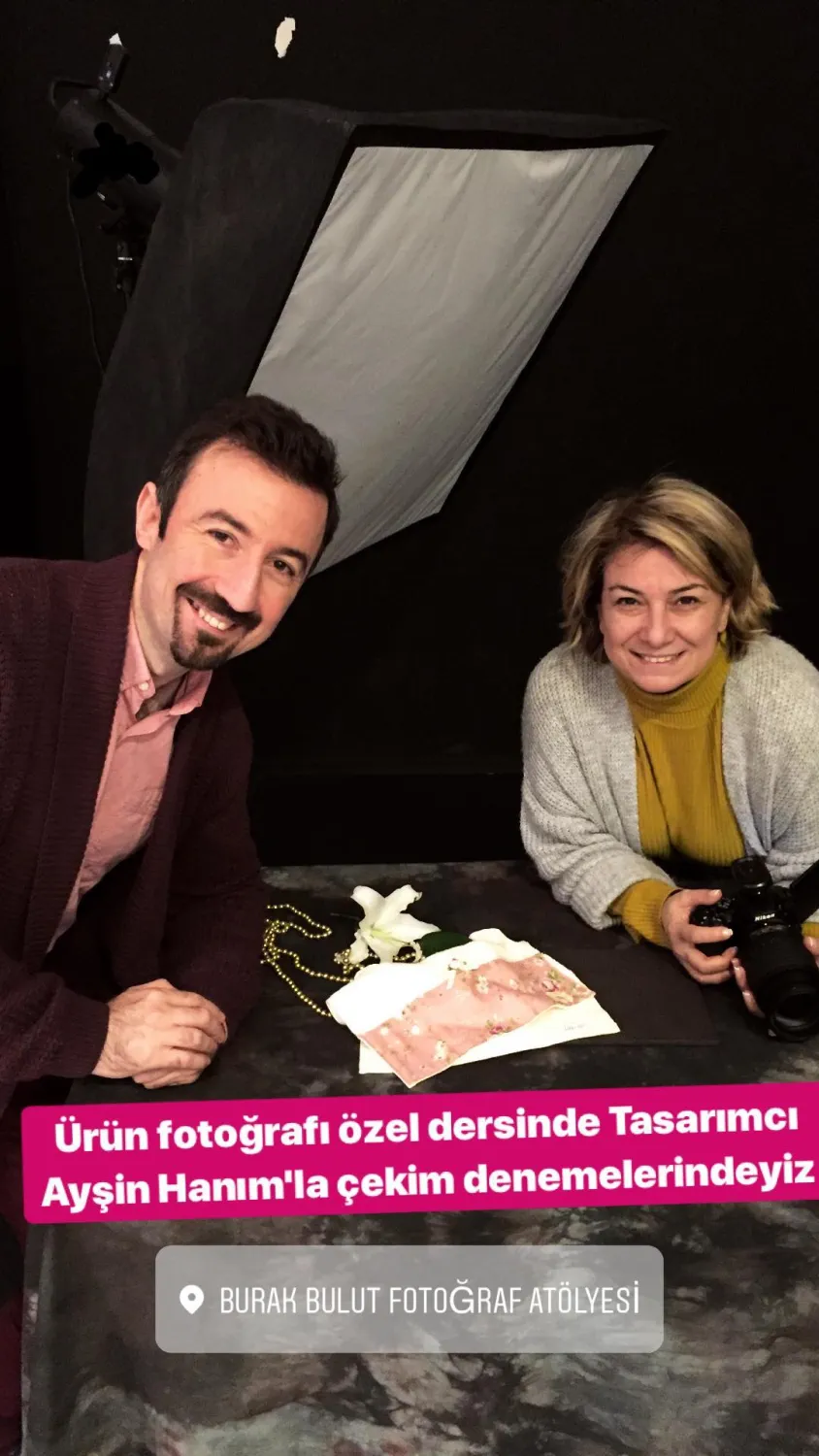
I am Burak Bulut Yildirim. I’ve been involved in photography for over 20 years; since 2018 Sony Alpha Europe Imaging Ambassador I work as a tutor. Instead of offering a one-size-fits-all course package in one-on-one lessons, I establish a structured mentoring program that progresses according to your level and goals.
- Truly understanding your machine, from the basics to a professional level.
- Developing your visual style in portrait, fashion, nude art, or product photography.
- Creating a consistent visual identity for your brand.
- Getting started in commercial photography, building a portfolio, and streamlining your workflow.
Epilogue: We are all in the same frame
These 15 tribes are part caricature, part reality, but none of them are completely outsiders. We are all a mix of a little bit Old, a little bit Digital Native, a little bit Ambient, a little bit Institutionalist. The tribes are like side roles in the photographic universe; the question is where you stand in your own story.
In the end, the questions to be asked are simple:
- Can you read the light?
- Do you trust your own eyesight?
- Are you really behind the photo you took?
If the answer is “Yes, but it could be a bit better”, you are already where you should be: on the curious side. From there, it's less about which tribe is in your WhatsApp group, what shots you want to take related.