LUX Photography and Video Production · Process and Business Framework

How does the professional photo shoot process, delivery, and usage rights work?

A good production isn’t just about the day of the shoot. The brief, shot list, distribution channels, model and location requirements, selection, retouching, revisions, and usage license are all documented in writing as much as possible before the shoot.

This page explains LUX Photo & Video Production’s general workflow and the commercial terms clients should be aware of before approving a quote. Any signed proposal, contract, or written agreement specific to your project takes precedence over this general framework.

LUX Production: Pre-production, Concept Development, and Set Production
The brief, concept, physical set, model, shoot, selection, and post-production are all managed within a single production plan.
01 · Scope

First, you write down what will be produced

The shot list, final number of files, distribution channels, model/set requirements, delivery date, and scope of revisions are clarified as much as possible during the proposal phase.

02 · Production

The approved plan is implemented on set

Decisions regarding the product, model, styling, lighting, background, set design, camera movement, and framing are made in accordance with the shoot list; for remote projects, a same-day approval workflow can be established.

03 · Delivery

The file and the rights associated with it are closed together

Selection, touch-ups, revisions, final delivery, license agreements, product returns, and archiving terms are finalized in accordance with a project-specific written framework.

A Professional Shooting Workflow in 11 Steps

How does the production process proceed from the initial idea to the final file?

The workflow below illustrates the core production framework for products, fashion, cosmetics, jewelry, campaigns, videos, and corporate productions. Depending on the type of project, some steps may be combined or expanded.

01

Brief and Usage Analysis

We discuss the nature of the product or service, the target audience, the channels to be used, the desired number of images/videos, examples, and the target delivery date. The goal is to translate aesthetic expectations into a measurable scope of work.
02

Model and third-party requirements

If a model is required, the casting, scope of work, hair and makeup, styling, and any agency terms are specified. Location, props, set design, catering, transportation, or other third-party expenses are itemized separately in the proposal as needed.

03

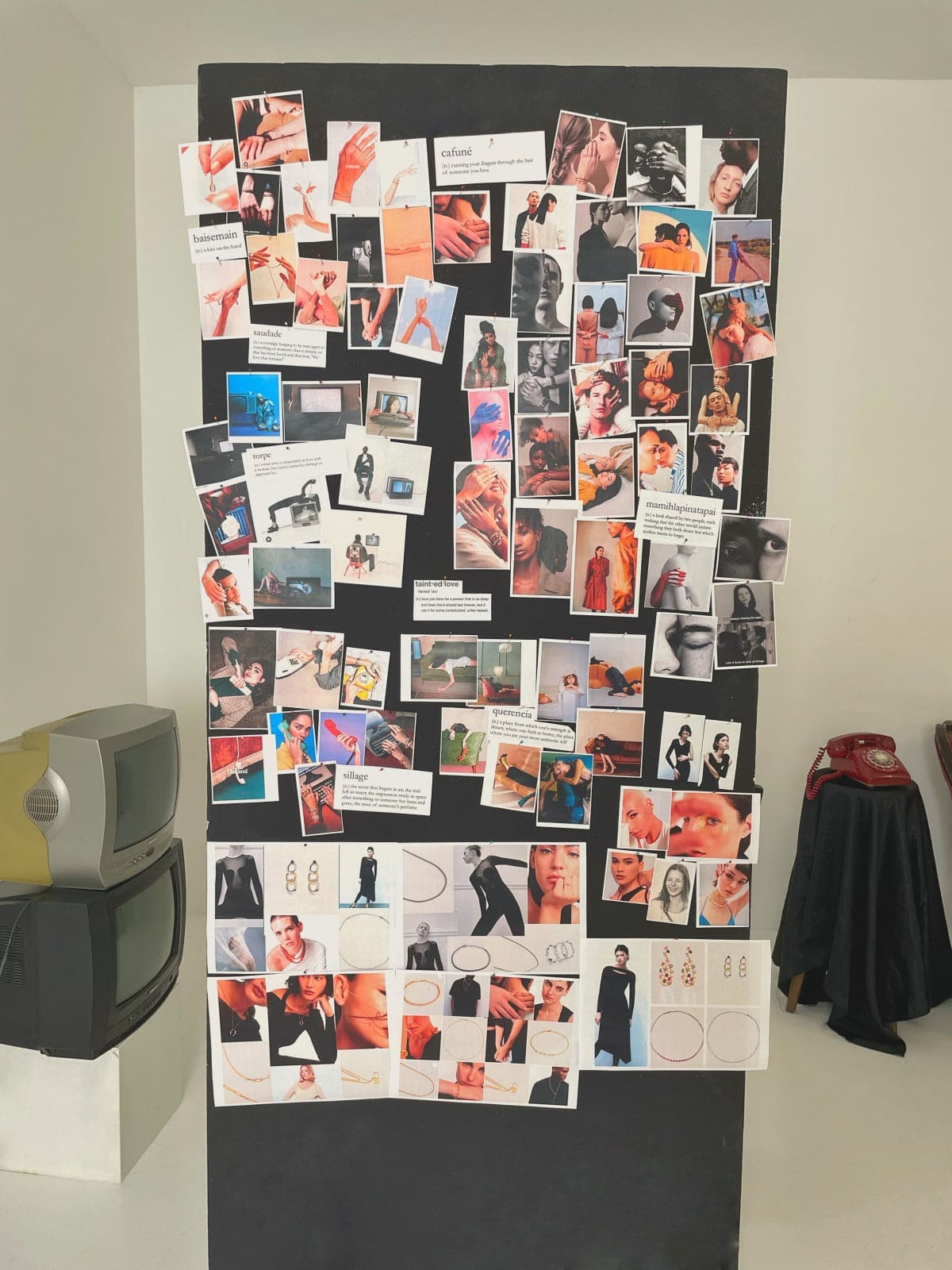
Concept and mood board

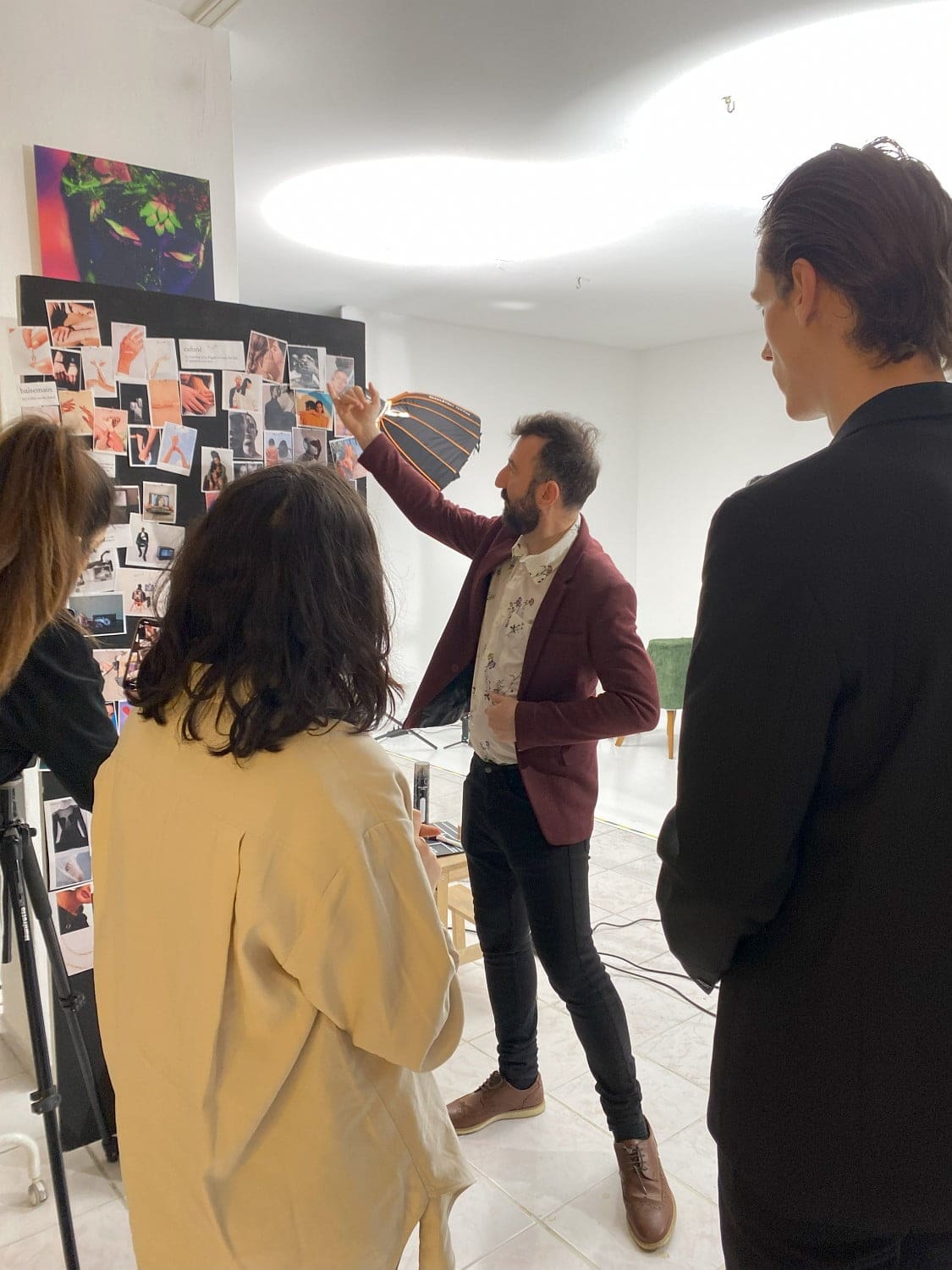
Color, lighting, background, set design, texture, model positioning, cinematographic style, and camera movements are defined using reference materials. An approved visual style is established to ensure that creative decisions do not need to be re-discussed on the day of shooting.

04

Shot list and production schedule

The SKU or shot list, number of angles, model, styling, set, video, crew, and technical requirements are incorporated into the written plan. The final number of files included in the proposal and the expected delivery schedule are finalized at this stage.

05

Product Receiving and Preparation

Products are prepared for the set in a clean, complete, and functional condition. Packaging, part integrity, surface condition, labels, and color are inspected, and replacement products are checked as needed; for textiles, ironing and steaming are performed, and for glossy surfaces, cleaning and preparation for reflection are carried out.

06

Set and Lighting Setup

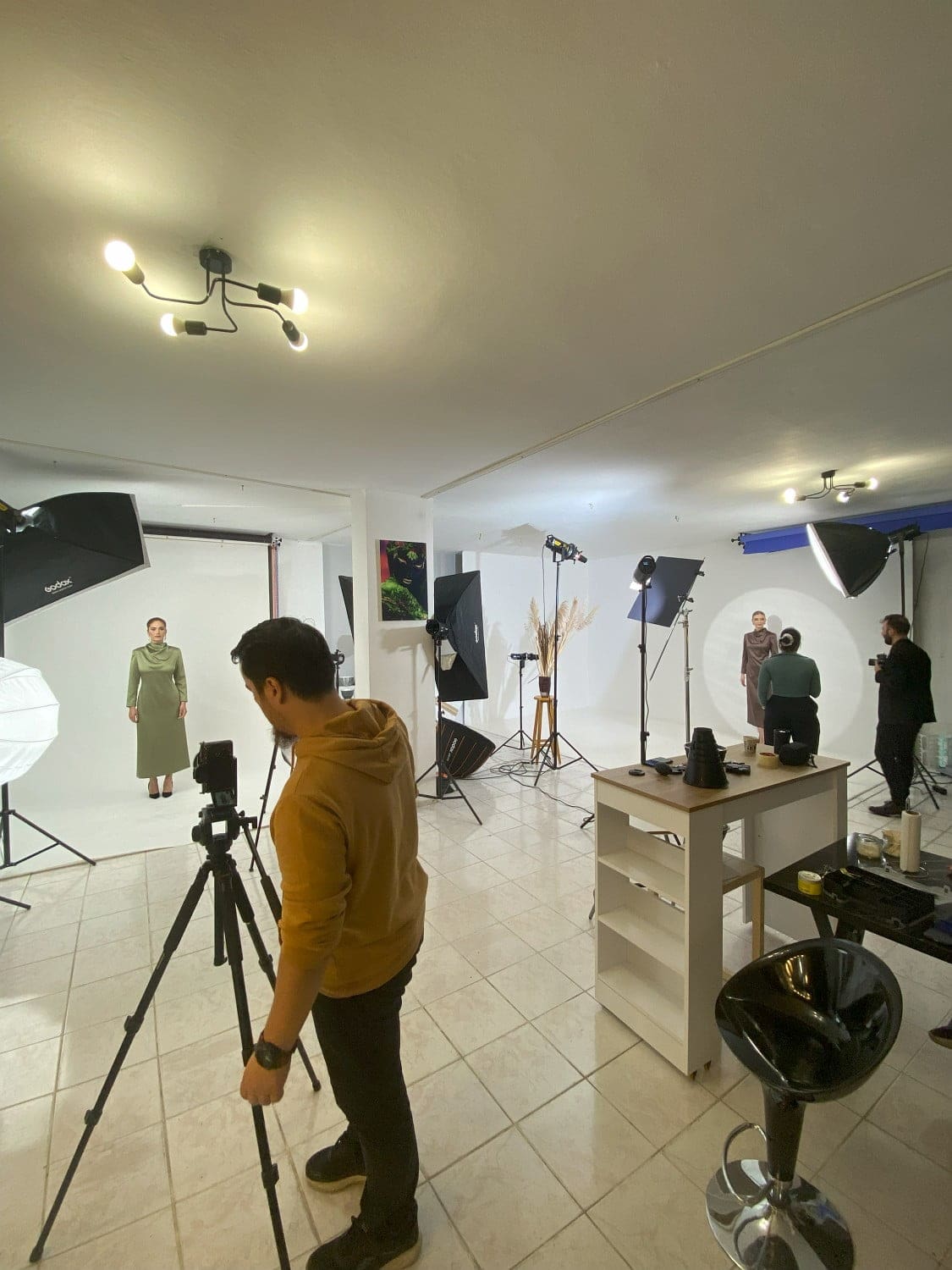
The set, background, decor, props, model positioning, continuous or flash lighting, camera, and, if necessary, video motion systems are set up. The first test shot or scene serves as the reference standard before moving to mass production.

07

Filming and Set Approval

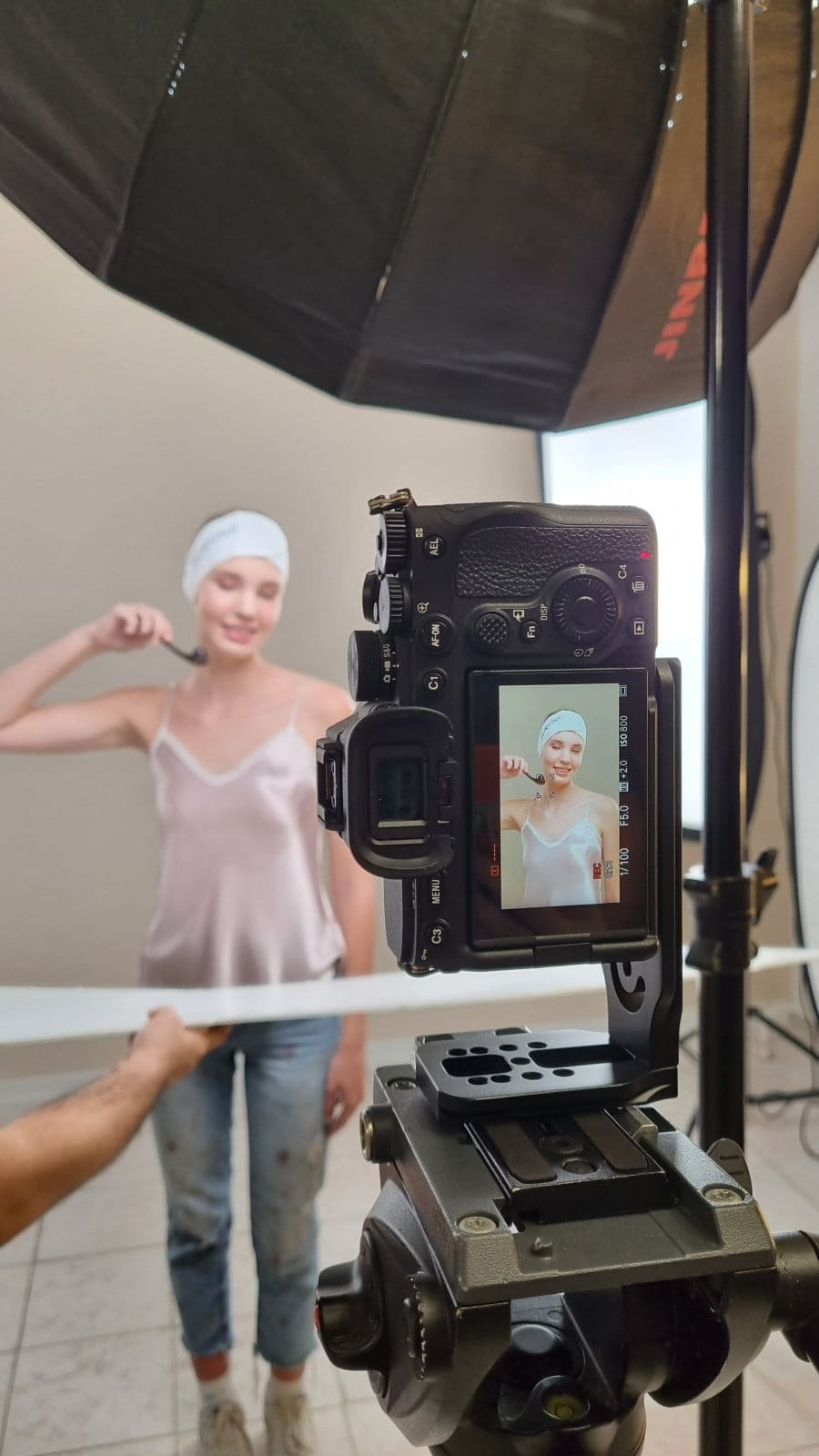
The approved plan is implemented on the actual product and physical set. Framing, focus, product placement, and critical visual decisions are checked on the monitor during the shoot; for brands working remotely, the set image or a sample frame can be shared the same day.

08

Image Selection

A selection presentation featuring low-resolution images from the technically usable shots is prepared. For product and e-commerce projects, the selection gallery is typically shared the day after the shoot; if the project scope differs, the selection schedule is specified separately in the proposal.

09

Post-production and retouching

The selected images undergo color correction, product and background cleanup, removal of dust and minor surface imperfections, contouring, clipping, basic skin retouching, and the final adjustments specified in the brief.

10

Preview and Revision

Edited previews or the initial video edit are submitted for approval. Technical corrections and the revision round(s) specified in the proposal are implemented; requests requiring a new concept, new framing, or reshoots are considered separate scope.

11

Final Submission, Degree, and Graduation

Once the remaining payment and approval conditions have been met, the final files will be delivered in a format suitable for the intended use. Product returns, any usage license restrictions, and the project archiving period will be finalized in accordance with the written project scope.

Decisions Finalized in the Proposal

What topics are put in writing before filming begins?

The purpose of the proposal is not merely to provide a total budget. It defines, as clearly as possible from the outset, the scope of the work to be performed, the files to be delivered, and any items that could later lead to ambiguity regarding what was included.

01 · Scope of the shoot

Shot list and number of final files

The number of products/SKUs, people, scenes, or locations; the number of angles per product; the number of photos/videos; and the number of final files to be selected are specified in the project proposal.

  • List of Shot Types and Angles
  • Final number of photos/videos
  • How to price additional elections
02 · Usage

Where will the images be used, and for how long?

Websites, e-commerce platforms, marketplaces, organic social media, paid advertising, catalogs, packaging, trade shows, billboards, or other media do not have to fall under the same license. The specific media, geographic region, and duration must be specified prior to filming.

03 · Production

Model, venue, and third-party items

Photomodel, model usage license, hair and makeup, styling, outdoor locations, studio/venue rental, set design/props, and other third-party expenses may be listed as separate line items depending on the project.

04 · Calendar

Delivery dates and approval dependencies

The shoot date, selection period, brand materials expected from the client, retouching/editing schedule, and final delivery target are planned based on the scope of the project. Delays in the client’s selection process or in the delivery of materials may affect the final schedule.

05 · Revision

Which changes are covered, and which are new work?

Technical corrections and retouching/editing revisions defined in the proposal are covered separately; new compositions, new products, new framing, new video editing, or reshoots that alter the approved mood board or shoot plan are covered separately.

06 · Delivery

Submission of Final Files

The final photos are delivered digitally in high-resolution JPEG format as standard.

It is not the general page, but the project document that is binding. Since LUX carries out projects with varying scopes and usage models, factors such as the revision cycle, delivery timeline, or usage license do not necessarily have to be the same for every project. The signed proposal or written project approval serves as the basis.
Image usage rights

Copyright, license, model rights, and portfolio permission are not the same thing.

In LUX proposals, the copyright for photos and videos generally belongs to LUX Photo & Video Production; the client is granted the right to use them within the scope specified in the project proposal. While some projects may grant worldwide and perpetual usage rights, in other projects, specific media channels are licensed separately. Therefore, the scope of use must be reviewed in the written proposal.

Title: RightsThe issue clarified in the proposalPractical meaning
Photo/Video Usage LicenseThe media channels, geographic areas, and duration available to the brand.It grants the customer the right to publish and use the final deliverables; the scope is defined in the proposal.
Transfer of RightsWhether the copyright or related economic rights have been expressly transferred.This differs from a license agreement. Under LUX’s standard project approach, copyright remains with LUX; any transfer of copyright requires a separate written agreement.
Model License AgreementBrand, duration, country/region, and media channel; distinction between organic and paid advertising.The model's fee for the shoot day and the usage license may not be the same item. The model's or agency's terms may be listed separately in the proposal.
Location / Property PermitThe scope of the permits required for a private venue, facility, store, building, or filming location, and who is responsible for obtaining them.If necessary, it is planned in writing before filming; this particularly affects the boundaries of the filming area in corporate, industrial, and advertising productions.
Using the LUX PortfolioWhether LUX may use the selected finalist entries in its own portfolio and promotional materials; exceptions to confidentiality and embargo requirements.Unless otherwise specified in writing in the proposals, access to the LUX portfolio may be maintained. Access to confidential areas and pre-launch materials may also be restricted.
Media · Country · DurationWeb, e-commerce, social media, advertising, catalogs, packaging, trade shows, billboards, etc.; Turkey/Europe/worldwide; for a fixed term or indefinitely.“Instead of vague phrases like ”use anywhere,” the specific use case is outlined during the proposal phase.
Use on billboards or in print is not automatically assumed. While some LUX projects grant indefinite usage rights across all media, in certain product and model projects, usage on packaging, at trade shows, on posters, billboards, TV, and other physical media is subject to an additional license. The correct answer can always be found in your project’s written proposal.
Shipping products from Turkey and Europe

You can manage the entire shoot remotely by sending the products to the studio.

Brands based outside Istanbul and in Europe can send their products to our Istanbul studio. The brief, approval, selection, revisions, and final delivery can all be handled digitally; product safety and return procedures are planned in writing prior to the shoot.

01 · Acceptance

Inventory and Package Verification

The number of products, variants, packaging, and part integrity are checked; any missing items or critical issues are flagged before filming.

02 · Preparation

Damaged and Replacement Products

For glass, mirrors, shiny surfaces, opened packaging, or critical products, sending a spare unit whenever possible reduces the risk of damage during shipping.

03 · Test

Sample Frame and Set Approval

Lighting, framing, product placement, and visual style are checked against the first sample. For remote projects, the necessary approvals can be obtained digitally while the shoot is in progress.

04 · Election

Gallery and Revision

Technically usable frames are shared for selection; the selected photos are sent for retouching, and feedback is incorporated according to the project scope.

05 · Closing

Return or Redirect

The shipment of products to the customer, the warehouse, or another address—including temporary storage, if necessary—is carried out in accordance with the logistics plan established prior to the shipment.

Before shipping: Sharing the product list, critical/backup product information, distribution channel, reference images, and post-shoot return preferences will help reduce the most common operational delays.
Limit on Edits and Revisions

We draw a clear line between corrections and new production from the very beginning.

The number of revision rounds is specified in the project proposal. Since LUX may have different revision structures for different project types, this page does not specify a single number of rounds for all projects.

In scope

Technical correction

Corrections to color, cleanliness, minor surface imperfections, contours/outlines, or standard retouching as defined in the brief may be addressed within the scope of the project.

As defined in the proposal

Revision Round

After viewing the photo or video preview, feedback should be provided in a single list, if possible. The number of free and paid tours and the feedback deadline are specified in the proposal.

New Scope

New composition or new shot

Changes to an approved mood board, framing, lighting, pose, product group, or creative direction; requests that require a new product or a reshoot are considered new production, not revisions.

Additional post-production

New script requests

In addition to the new version, which alters the overall structure of the approved video edit, advanced manipulation, extensive editing, or a new graphics package can also be planned.

Final submission

How are the final files submitted?

Final photos are delivered digitally in high-resolution JPEG format as standard. If there are any project-specific delivery requirements, please share them during the briefing phase.

Delivery, urgent tasks, and archives

How long are standard calendars and files retained?

The turnaround time depends on the number of products, the extent of retouching, video editing, the client’s decision-making time, and third-party approvals. For this reason, the timeline is included directly in the quote for campaign, corporate, and industrial projects.

Standard Product Projects

3–10 business days planning window

For standard e-commerce and product projects, the selection and final delivery schedule is finalized at the start of the project; in the current LUX workflow, these tasks are typically scheduled to take between 3 and 10 business days.

Comprehensive production

Campaigns, videos, and corporate projects

For multi-set campaigns, high-intensity composite work, industrial shoots, or long video edits, the delivery date is specified in the project proposal rather than being a fixed general timeframe.

Urgent delivery

Is an accelerated project possible?

If the schedule and crew capacity allow, accelerated shooting, retouching, or editing can be planned. Which phase will be accelerated, the need for additional crew or overtime, and any additional fees, if applicable, will be clarified in the quote prior to filming.

Archive

Technical archive for at least 6 months

In accordance with our current product production procedures, technically usable photo files are stored in the LUX archive for at least 6 months from the date of the shoot. After this period, we cannot guarantee that the files will be retained or remain accessible.

A customer database is required. After the final files have been delivered, the brand must create its own backups. The LUX archive does not replace the client’s responsibility for permanent archiving and backup.
Frequently Asked Questions

The Most Frequently Asked Commercial and Operational Questions Before a Shoot

The answers below explain the general LUX framework. If your project’s written proposal or contract contains a different provision, that document shall prevail.

Who owns the copyright and usage rights to the photos?

In LUX proposals, the copyright for photos and videos generally belongs to LUX Photo & Video Production. For final works for which the client has paid, a license to use the materials is granted within the scope of the media, geographic area, and duration specified in the proposal. If a transfer of copyright or rights is requested, this must be agreed upon separately and explicitly in writing.

Can we use the images on our website, in advertisements, and on billboards?

The scope of use varies depending on the project. In some projects, worldwide and perpetual use may be granted for the web, social media, digital advertising, printed materials, and other media; in certain product or model projects, use on packaging, at trade shows, on posters, billboards, TV, and other physical media may be subject to an additional license. All required media must be specified in the proposal from the outset.

Is the model's usage fee included in the photo shoot fee?

This is not automatically included. The model’s fee for the shoot day and the usage license specifying in which country, on which platform, and for how long the brand may use the model may be separate line items. The model’s or agency’s terms are clarified in writing during the proposal phase.

How many revisions can be made?

Since the number of revision rounds varies depending on the project type, it is specified in the proposal. Technical corrections and minor adjustments defined in the brief are included within the scope. Requests that require an approved mood board, a new shot composition, a new concept, a new product, a new video edit, or a reshoot are planned separately.

How do I return products after the photo shoot?

Shipping products to the customer, the warehouse, or another address—along with logistics details such as packaging, fragility, and insurance, if necessary—is determined before the transaction is finalized. Sharing your return preference before shipping the products will speed up the completion of the process.

How long are files archived?

Photographic files that are technically usable under current product production conditions are stored in the LUX archive for at least 6 months from the date of the shoot. After six months, the continued storage or future accessibility of the files is not guaranteed. After the final files are delivered, the client is responsible for creating their own backups.

Is rush delivery available?

If the crew and post-production schedule allow, an accelerated delivery can be planned. Which phase will be accelerated, a realistic delivery date, and any additional production or overtime costs, if applicable, will be clarified in a written proposal before filming begins.

Can we ship products from outside Istanbul or from Europe?

Yes. Products from various cities in Turkey and from Europe can be shipped to the Istanbul studio. The brief, set approval, selection, revisions, and final delivery can all be handled remotely; shipping, product safety, and return procedures are planned in writing prior to the shoot.

Related services

Depending on the type of production for your project, go to the relevant service page.

This page serves as a hub for processes and business boundaries. Shooting techniques, sample work, and industry-specific details can be found on the relevant service pages.

What information should you send us for a quote?

Please provide details on the product or number of shots, the desired number of photos/videos, the visual style you’re looking for, the channels where the content will be used, any model or set requirements, the target delivery date, and—if applicable—your request for exclusive usage rights. We’ll work together to clarify any remaining details.

Before the shoot begins, let’s clarify the limits regarding production, delivery, and usage.

When the shot list, the number of final files, model and set requirements, usage license, delivery date, scope of revisions, and product logistics are defined from the outset, production moves more quickly and there are fewer surprises at final delivery.

Istanbul studio; remote product acceptance from Turkey and Europe. Projects in Berlin and Europe are planned using a project-based local production model as needed.