
E-Commerce Image Dimensions and Specifications in Turkey (2026)
In Turkey, e-commerce image dimensions do not follow a single standard; they vary depending on the platform you’re selling on. The general rule is as follows: the main image should have a white background, with the longest side at least 1,000 pixels for zooming, and preferably be a 1,500x1,500-pixel square. Fashion-focused platforms like Trendyol prioritize a 1200x1800-pixel (2:3 vertical) aspect ratio to fully fill the mobile screen. Amazon, on the other hand, requires a pure white background (RGB 255,255,255) and mandates that the product fill at least of the square.
On a product page, dimensions, aspect ratio, background, and color accuracy are the first technical layer that determines the conversion rate. On this page, we’ve compiled each marketplace’s current technical requirements, the impact of accurate dimensions on sales, and the technical details that prevent a photo from being ready for sale even when the dimensions are correct.
- Since 2005, more than 20 years of production
- Istanbul studio and Berlin/Europe service area
- Sony Alpha Europe Imaging Ambassador
- Brands from more than 10 countries
- Yamoda
- SKAI Products
- Trio Textile
- Marapon (DE)
- ColorN Drive (DE)
- Pammys (DE)
- Chill Brada (NL)
- Artchi London (UK)
- Coco Loom
- Land of the Legends
- Makbul Kuruyemiş
“They photographed the product images for our e-commerce company with great care and attention to detail. We didn’t even need to make any adjustments to the photos—they were perfect as is. This was the first time we’d used an outside service, and we were very satisfied with it.”
Recep SermetColorN Drive, automotive paint products
“We entrust the entire process of producing both styled and plain-background product photos for our brand—for all domestic and international marketplaces—to them with complete peace of mind. You won’t need to look for any other options.”
Cigdem GorelDreamy Rikka Home Textiles
“A professional, efficient team that delivers the same high quality on every shoot. We highly recommend them.”
Uğur DüzelAhoy Towels LLC
To enable zoom on the screen, the longest side must have a sufficient number of pixels. For a square format, 1500x1500 pixels is a safe target that allows the customer to see the stitching, texture, and craftsmanship.
For the General category, use a 1:1 square aspect ratio. For Fashion and Apparel, use a 2:3 vertical aspect ratio (1200x1800); this ensures the model’s pose is displayed in full on mobile devices.
The main image features a clean white background and properly calibrated colors. Incorrect color perception is the most costly reason for returns; color management determines sales even before the image is seen.
Even if the dimensions are correct, the photo may not be ready for sale. Meeting the marketplace’s required dimensions is a necessary condition, but not a sufficient one. Two images with the same pixel dimensions can perform completely differently depending on lighting and color management.
Three technical points are often overlooked. The first is color space: e-commerce platforms display images in sRGB. If you save the file as Adobe RGB or ProPhoto RGB, the colors will appear washed out and off in most browsers; the final file must be delivered as a JPEG with an embedded sRGB profile. Second is the unit of measurement: pixel size is what matters for the screen, not DPI. A DPI label of 72 or 300 makes no difference in a web image; what matters is the image’s actual pixel width. Third, compression: excessive JPEG compression leaves block artifacts in smooth color transitions and along edges; this loss of detail becomes particularly visible when zooming in on jewelry, metal surfaces, and textile textures.
That’s why, once the sizing chart has been finalized, it’s time to move on to the shoot plan. White-background shots, cutouts, model-based shots, stylized still lifes, and short product videos can often be planned within the same brief. Managing the process from start to finish professional product shooting With our service, for white background requirements Product photography with a white background You can check our page.
Once the number of products, category, and set requirements are finalized, we’ll prepare a proposal for your visual set that complies with marketplace standards. We manage the entire process—from the brief to the shoot, selection, and delivery—with a single team.
Quick Reference Table by Platform
The 2026 main image standards for Turkey’s leading marketplaces are listed below. The figures in the table represent the platforms’ current acceptance ranges and are subject to change; verifying the guidelines in the relevant platform’s seller dashboard before uploading products is the safest way to prevent image rejections.
| Platform | Recommended minimum size | Aspect ratio | Main background image |
|---|---|---|---|
| Amazon | 1500 x 1500 px (min 1200, max 3000) | 1:1 (square) | Required white background |
| Trendyol | 1200 x 1800 px | 2:3 vertical (fashion) / 1:1 (other) | White or light gray background |
| Amazon (Turkey / Global) | 1600 px+ (minimum 1000 px for zooming) | 1:1 (square) | Pure white RGB 255,255,255 |
| N11 | 1000 x 1000 px (minimum accepted size: 600) | 1:1 (square) | Preferably a white background |
Hepsiburada Visual Standards
The Hepsiburada main image must be on a pure white background (RGB 255,255,255) and consist solely of the product; logos, prices, promotional text, or additional accessories are not permitted.
- Minimum 1200x1200, maximum 3000x3000 pixels. Aim for at least 1500x1500 pixels for sharpness and seamless zooming.
- Format and file type: JPEG or PNG; the maximum file size is typically 5 MB. For a balance between upload speed and quality, JPEG is usually the best choice.
- Number of images: At least 1 main image is required; up to 8 images in total. Including images from different angles, zipper and seam details, the product on a model, and package contents increases conversion rates.
High resolution is required for Hepsiburada’s zoom feature to work. Customers can only see the stitching quality of a textile or the craftsmanship of a piece of jewelry if the image has sufficient resolution. When details are visible, trust and the intention to purchase increase.
Trendyol Image Requirements
Trendyol prioritizes the mobile experience in the fashion and lifestyle categories. The recommended format is 1200x1800 pixels (2:3 vertical aspect ratio); this aspect ratio fully covers the mobile screen, showing the product in full size as it appears on the model. The 1:1 square format, however, leaves empty space at the top and bottom on mobile devices. The square format works seamlessly in other categories.
- Main image: a clean white or light gray background. The first image is the catalog shot that shows the product most clearly.
- Other images: Create a cohesive look with shots of the model wearing the garment, close-ups of the fabric texture, and conceptual lifestyle shots.
- Format: JPEG or PNG, maximum size 5 MB. The pixel size is what matters for the display, not the DPI value.
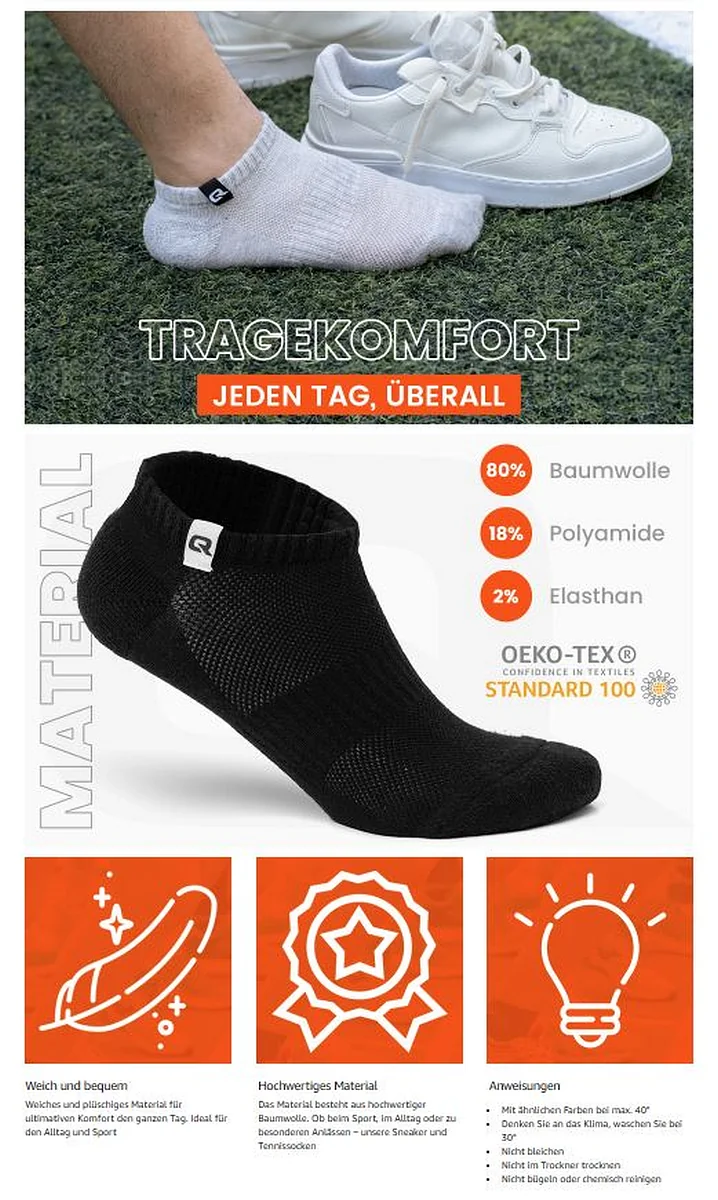
Naming files sequentially, such as barcode_1.jpg and barcode_2.jpg, reduces the error rate in uploads with many SKUs. Lifestyle photography is the most powerful type of secondary visual content for encouraging indecisive customers to add items to their cart, as it shows the product in its natural setting. For model-based and decorated setups, modeled product shooting and decorated product photo shoot You can check out their services.
Amazon (Turkey and Global) Golden Rules
Amazon’s rules are the strictest, and compliance with these rules opens the door to listing on all European marketplaces, including Amazon.de. Our Berlin and European service areas make it easier for brands selling to the European market to meet these standards.
- Main image: solid white background (RGB 255,255,255), showing only the product being sold. No accessories, text, logos, or watermarks; the product must fill at least of the frame.
- Resolution: To enable the zoom feature, the longest side must be at least 1,000 pixels; 1,600 pixels or more is recommended.
- Format and file name: JPEG is recommended. The file name must begin with an ASIN, UPC, EAN, or SKU and must not contain spaces or special characters. Example: B00EXAMPLE.MAIN.jpg.
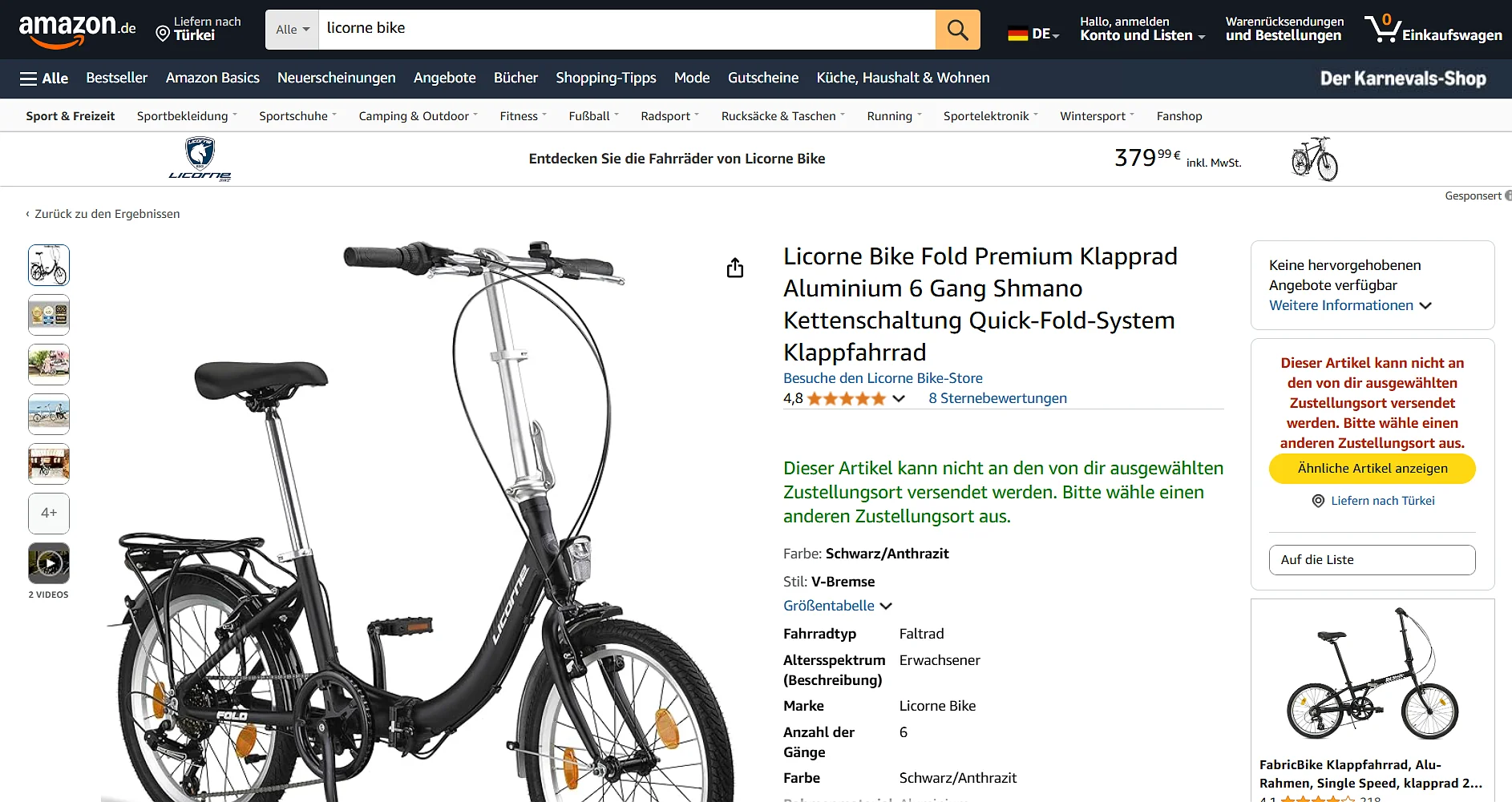
To plan the Marketplace image set from start to finish Product Photography for Trendyol and Amazon which enhances our page and product pages with detailed and cross-selling images Amazon A+ Content Visual Plan You can review our guide.
N11 Visual Standards
N11’s standards largely align with those of other marketplaces. While a minimum of 600x600 pixels is accepted, aim for at least 1000x1000 pixels to stand out from the competition. A white background is the safest choice to ensure the product is clearly visible; the main image should not contain any logos or text. When uploading in bulk, verify that the file names exactly match the product codes.
After the location survey: shooting schedule and set capacity
The right measure is the outcome of the production process—not its starting point. LUX Production doesn’t operate with the studio mindset that limits itself to a single type of shoot; instead, within the same brief, it handles white-background shots, staged still lifes, model-based lifestyle photography, and short product promotional video It operates with a flexible team structure. Once the product quantity, number of sets, and delivery scope are finalized, multiple production lines can be set up on the same day; this structure minimizes time loss in high-SKU e-commerce and campaign production.
Brands from other cities and across Europe ship their products to our Istanbul studio; selection, revisions, and delivery are handled remotely. Burak Bulut Yıldırım, as a Sony Alpha Europe Imaging Ambassador, oversees lighting and shooting decisions; Meryem Aydın Yıldırım handles art direction for product presentation, set design, and visual consistency. The turnaround time is planned based on the number of products, the type of shoot, and the scope of retouching; for standard e-commerce shoots, the selection and delivery schedule is finalized at the start of the project and typically takes between 3 and 10 business days.
Are these AI-generated images or actual production footage?
Academic studies published in 2024 and 2025 point to a common trend: when it is disclosed that an image was generated by artificial intelligence—or when consumers sense this—emotional trust and purchase intent decline. The decisive factor is not so much the quality of the image as its perceived source. This effect is most pronounced in categories that rely on trust and authenticity, such as fashion, cosmetics, jewelry, and hospitality. AI-generated images or real photos? We've compiled them in this guide.
| Risk level | Category examples | Recommended strategy |
|---|---|---|
| High | Luxury fashion, cosmetics, jewelry, hospitality, beauty | The main image should be a real photo; AI should play only a supporting role. |
| Middle | Furniture, home decoration, food, general fashion | The hero image is real; AI can be used for the background and variations. |
| Low | Office supplies, industrial parts, technological accessories | AI is widely available; the hero image retains the advantage of being a real-life shot. |
The transparency requirements of the EU AI Act will begin to be phased in starting August 2, 2026, and will bring the labeling of AI-generated content to the forefront. For brands selling to the European market, this makes ensuring that the main product image is based on a real-life photograph not just an aesthetic choice, but a strategic one.
At LUX, we actively use AI for background variations, concept testing, and rapid SKU replication; the main product image, however, is produced as a real photograph taken through optical glass and illuminated with controlled lighting.
An authentic brand experience at the marketplace shoot
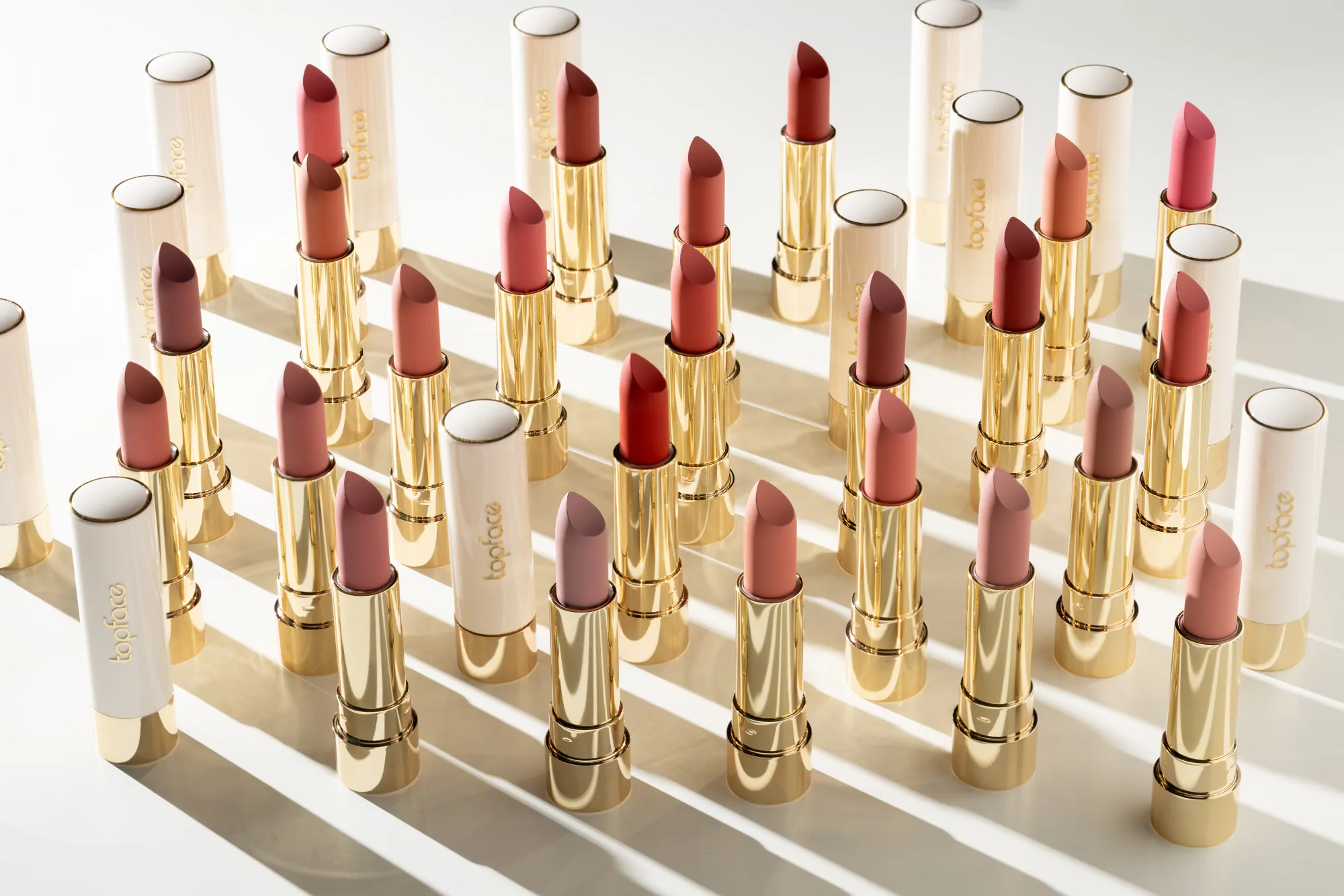
The technical guidelines on this page are the result of a production practice that has evolved since 2005 based on real briefs from various industries. We produce white-background cutouts, styled lifestyle shots, decorated still lifes, and short product videos for brands such as Yamoda, SKAI Products, Trio Tekstil, Marapon, ColorN Drive, Chill Brada, and Land Of The Legends. For the industry-specific plan, cosmetic product photo shoot and jewelry and jewelry shoot You can check out their pages.
We selected the following reviews from among the genuine customer reviews written on Google for LUX Production regarding our product photography and e-commerce projects (386 Google reviews).
“Both the set design and the product presentation were excellent. We’d like to thank the entire team for the professionalism and attention to detail they demonstrated throughout the process.”
Selim BaytarCapyhome Home Textiles
“We sell jewelry. We had photos taken of both our designs and our decorative pieces, and they turned out really great. Whenever there’s a problem, they do their very best, which meant a lot to me.”
Mülkiye ÇınarJewelry
We can create a cohesive set of visuals compatible with a single production plan for Trendyol, Hepsiburada, Amazon, and N11. A quote will be prepared based on the number of products, category, and set requirements.
Frequently Asked Questions
What is the best photo size for e-commerce?
The standard safe area is a 1500x1500-pixel square format. The longest side of the main image must be at least 1000 pixels for the zoom feature to work. For fashion and apparel, a 1200x1800-pixel (2:3 vertical) image will fully cover a mobile screen. Verify the platform’s current panel guidelines before uploading.
Why is Trendyol highlighting the 1200x1800 (2:3 vertical) aspect ratio?
Most of the traffic comes from mobile devices. A 2:3 vertical aspect ratio displays the product on the model in full size and without any blank space on a mobile screen. A 1:1 square format shrinks the image on mobile devices, leaving blank space at the top and bottom, which leads to a loss of attention.
Is it mandatory to use a white background (cutout) in the main image?
For the main image on most marketplaces, yes. Amazon requires pure white (RGB 255,255,255), and Hepsiburada mandates a white background. Values like 250 appear slightly gray on screen and do not always meet the pure white criterion. For secondary images, decorative and stylized shots are allowed.
Is DPI or pixel size more important for web graphics?
The pixel size is what matters for the screen. A DPI value between 72 and 300 makes no difference in a web image; the browser displays the image at its actual pixel width. DPI is only relevant for print. For e-commerce, the correct pixel width and the right compression are sufficient.
Why do the colors look different in the images?
The most common cause is an incorrect color space. Platforms display images in sRGB. If the file is saved as Adobe RGB or ProPhoto RGB, the colors appear washed out and off in most browsers. When the final file is delivered as a JPEG with an embedded sRGB profile, color perception remains consistent and color-related returns are reduced.
How do lifestyle and model-based visuals affect sales?
A white-background image describes the product, while a lifestyle image evokes a vision of it in use. Product shots featuring models that show the product in its natural setting and in use are the most powerful secondary visuals for encouraging undecided customers to add items to their cart. The white-background image serves as the main visual, while the lifestyle image acts as the supporting layer that drives the conversion.
Can AI-generated images replace real photographs?
In the main product image, it doesn’t perform well in trust-based categories. Studies show that trust and purchase intent decline when users sense that the image was generated by AI. AI excels at background variations and rapid replication; it retains its advantage when the hero image is a real photograph.

Can I ship the product via courier, and what is the delivery time?
Yes. Brands from other cities and Europe ship their products to our Istanbul studio; selection, revisions, and delivery are handled remotely. The turnaround time is planned based on the number of products, the type of shoot, and the scope of retouching; for standard e-commerce shoots, most projects take between 3 and 10 business days.

Let’s bring your image set up to marketplace standards
Once the number of products, category, set, and scope of delivery are finalized, a project-based quote is prepared. All photos taken are shared in low resolution the next day for selection; the selected final images are delivered after professional retouching.

Quotes are prepared based on the scope of the project, the number of products, the type of shoot, model and set requirements, and post-production details.