
Decorated Product Photos: 6 Strategic Styling Tips to Boost Your Sales
In e-commerce, a well-styled product sells, while a poorly styled one fails. Styled product photography is one of the fastest ways to build an emotional connection with your customers; however, this balance is delicate.
The wrong choice of decor can steal all the attention away from the real star—your product. Customers no longer just buy a product; they buy a story, a lifestyle, and a promise of quality. Drawing on our studio experience in Istanbul and Berlin, we at LUX Production have compiled six essential styling rules for sales-focused product photography in this guide.
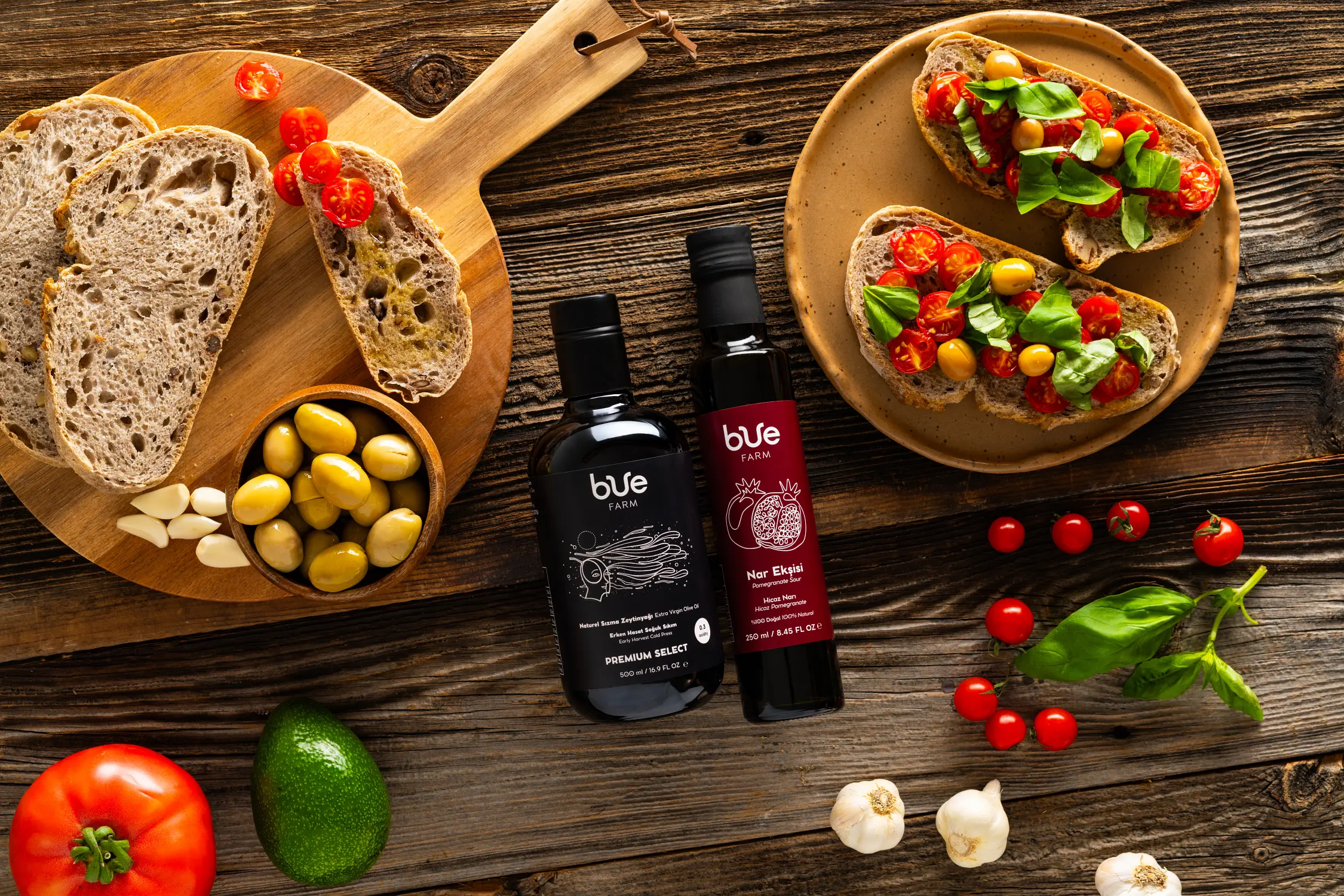
Decorated product shot, rather than simply displaying the product against a white background, it places it within a setting that aligns with the target audience’s perception.
This approach is a controlled visual production process in which brand identity, target audience, color palette, choice of surfaces, use of accessories, and compositional decisions are planned in unison.
6 Strategic Styling Rules: Quick Reference
| Rule | Objective | Strategic Question |
|---|---|---|
| 1. Brand Identity | Visual consistency and a professional image. | What does my brand represent—modern, rustic, natural, luxurious, or minimalist? |
| 2. Target Audience | When the customer says, “This is for me.”. | Who am I talking to: young, mature, premium, accessible, urban, or natural? |
| 3. Mood Board | To make the vision concrete and prevent uncertainty. | What kind of world of color, texture, light, and composition do we want? |
| 4. Accessories / Decor | Adding context to the product and telling a story. | Does this accessory complement the product, or does it steal the spotlight? |
| 5. Background | To set the mood and highlight the product. | Does the background enhance or overwhelm the product's color and shape? |
| 6. Composition | To draw the eye to the product and create aesthetic balance. | Does the eye naturally gravitate toward the product, or does it get lost in the frame? |
Hello, I’m Burak Bulut Yıldırım. I’ve been a professional photographer and the founder of LUX Production since 2005. The biggest mistake I’ve seen while working with e-commerce brands at our studios in Istanbul and Berlin is choosing props that look good but are the wrong fit. Any accessory that doesn’t complement your product becomes a distraction that diverts the customer’s attention.
Our job is to strike this delicate balance. We don’t just take beautiful photos—we create strategic concepts that reflect your brand’s identity, speak to your target audience, and drive sales.
1. Create a Visual Language Integrated with Your Brand Identity
The first question to answer before beginning the process of shooting styled products is this: What does your brand stand for? What are your brand’s colors and textures, and what emotions do you want to evoke in your customers?
Your photos should be consistent with all the visual elements of your brand, from your website to your packaging.
Practical application
- A minimalist and modern brand: Use geometric objects with simple, clean lines, concrete or marble surfaces and a neutral color palette.
- Natural and organic brand: Raw wood, dried plants, raw linen fabrics, and natural light can reinforce the brand’s message.
Case Study: Sales Increase with the Right Styling
Sales for an organic skincare brand increased by approximately [number] following a photo shoot in which we showcased its products using natural stones and fresh plant leaves in a way that aligned with the brand’s identity. An increase of demonstrated. The styling visually proved the product’s promise of naturalness.
2. Appeal to the Aesthetic Taste of Your Target Audience
Who do you want to speak to with your photos? Clearly defining your target audience is the basis for choosing props that will grab their attention and influence their purchasing decisions.
While vibrant colors and urban textures work well for a sneaker aimed at a young and dynamic audience, matte finishes, leather, metal, and a more dramatic use of light may be more appropriate for a watch designed for a high-level executive. You need to create a world where your customer can imagine themselves.
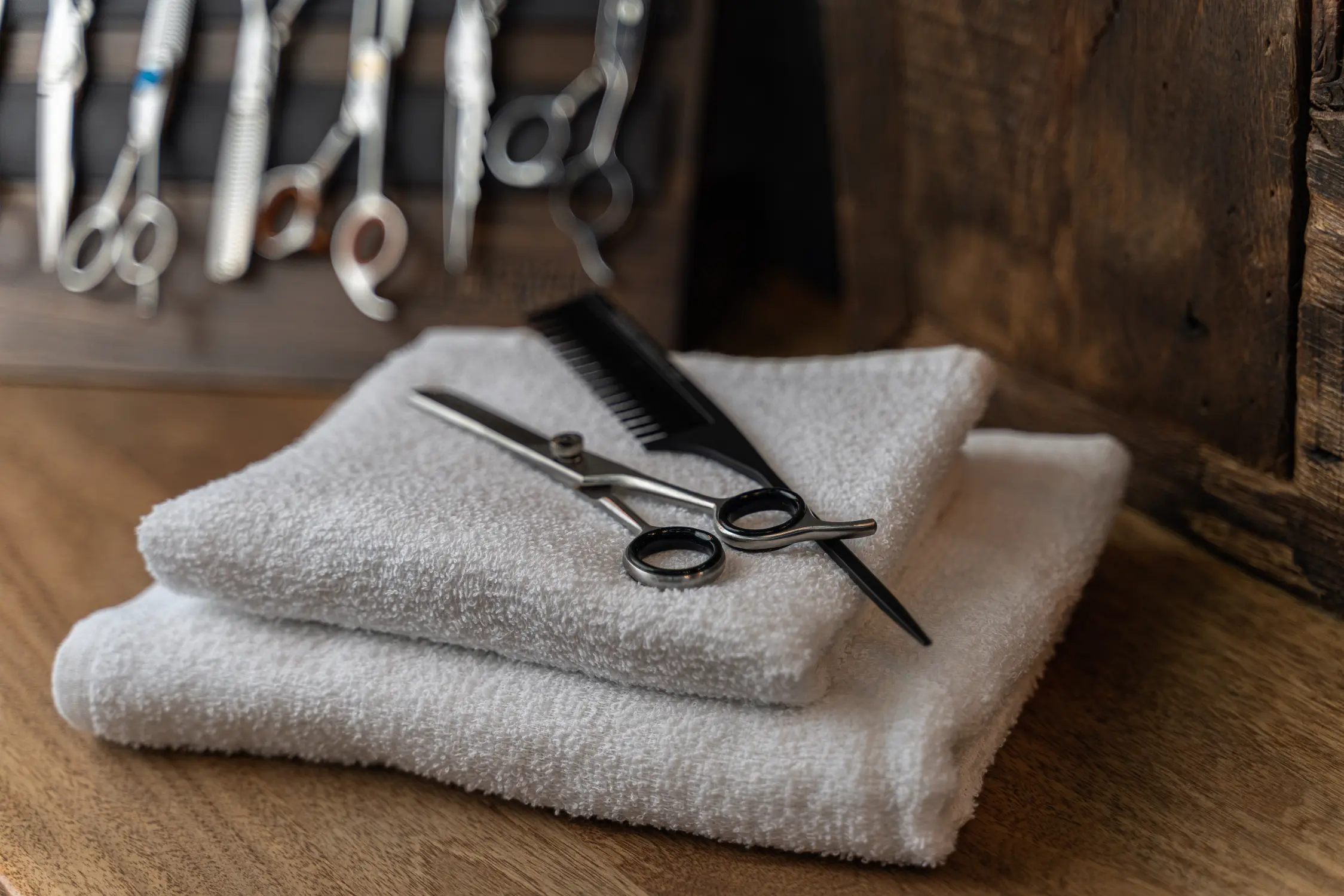
3. Find Inspiration and Create a Strategic Idea Board
Once your brand identity and target audience are clear, it’s time to turn the creative process into concrete steps. Drawing inspiration from Pinterest and Instagram doesn’t mean copying them. By combining the styles, colors, and compositions you like, you can create a mood board It is necessary to create it.
This board is a visual brief that helps ensure that both you and the photography team you'll be working with share the same vision.
An effective mood board should include the following
- Color palette: 3–5 primary and secondary colors.
- Fabrics and materials: Wood, metal, fabric, marble, concrete, or natural surfaces.
- Lighting style: Sharp and high-contrast, or soft and blurry?
- Essay examples: References showing how the product will be positioned.
Production note: A mood board helps minimize last-minute decisions on the day of the shoot. Styling, set design, lighting, and post-production all work toward the same visual goal.
4. Choose the Right Accessories: Less Is More
Accessories give your product a context and a story. But the most common mistake here is to overcrowd the scene unnecessarily. Every accessory you choose should have a purpose.
The rule is simple: Accessories should support the main product, not compete with it. Accessories that are generally smaller than the product, less shiny, and more neutral in color help the eye focus directly on the product.
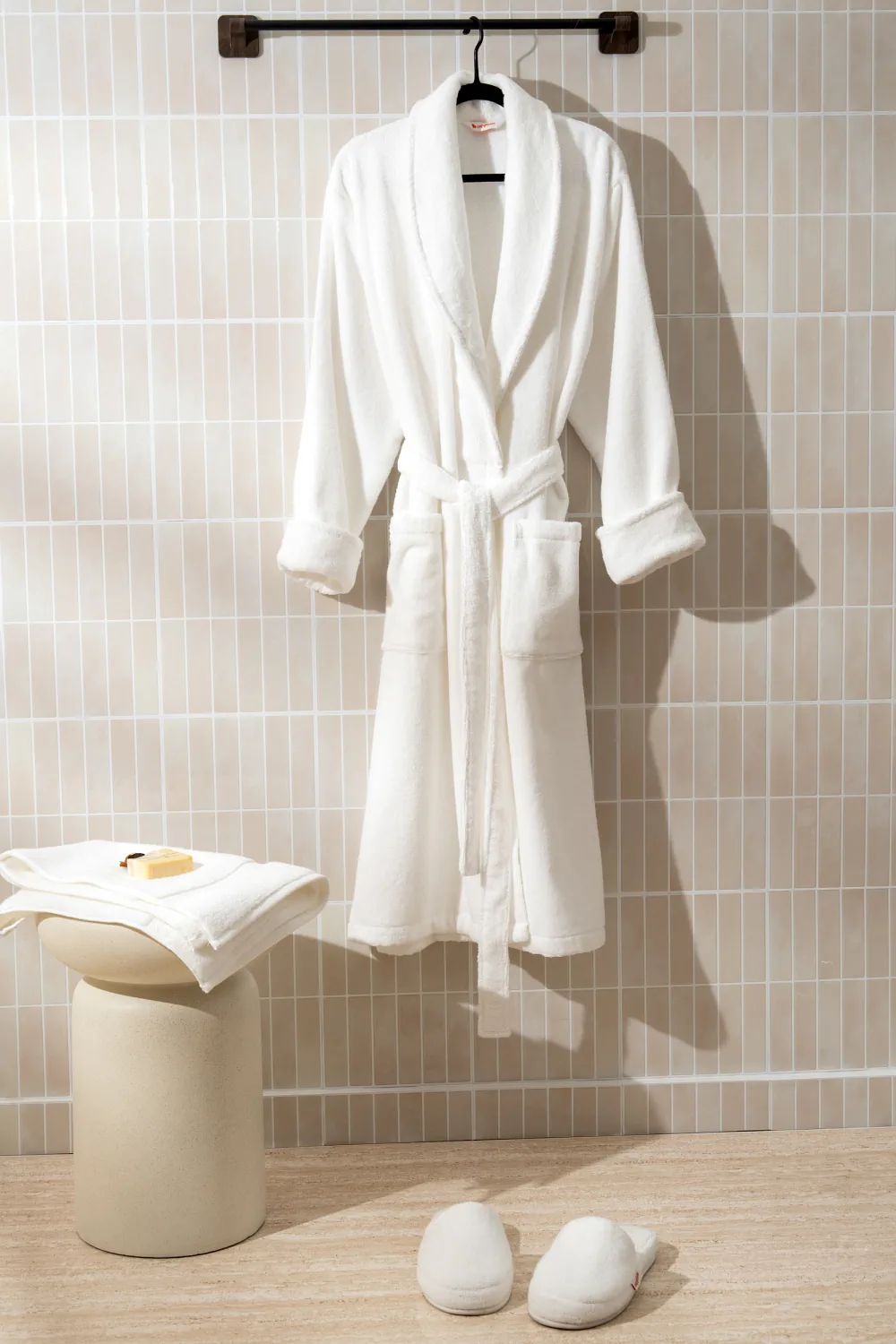
5. Use the Power of the Background
The background is the key element that defines the atmosphere of a photograph. Solid-color backgrounds offer a minimalist look, while surfaces with different textures add depth and character to the photograph.
The background should not overwhelm the product. It should not clash with the product in terms of color or pattern; rather, it should highlight the product’s colors and shape. While white and light tones convey a clean image, dark tones create a more luxurious and sophisticated impression.
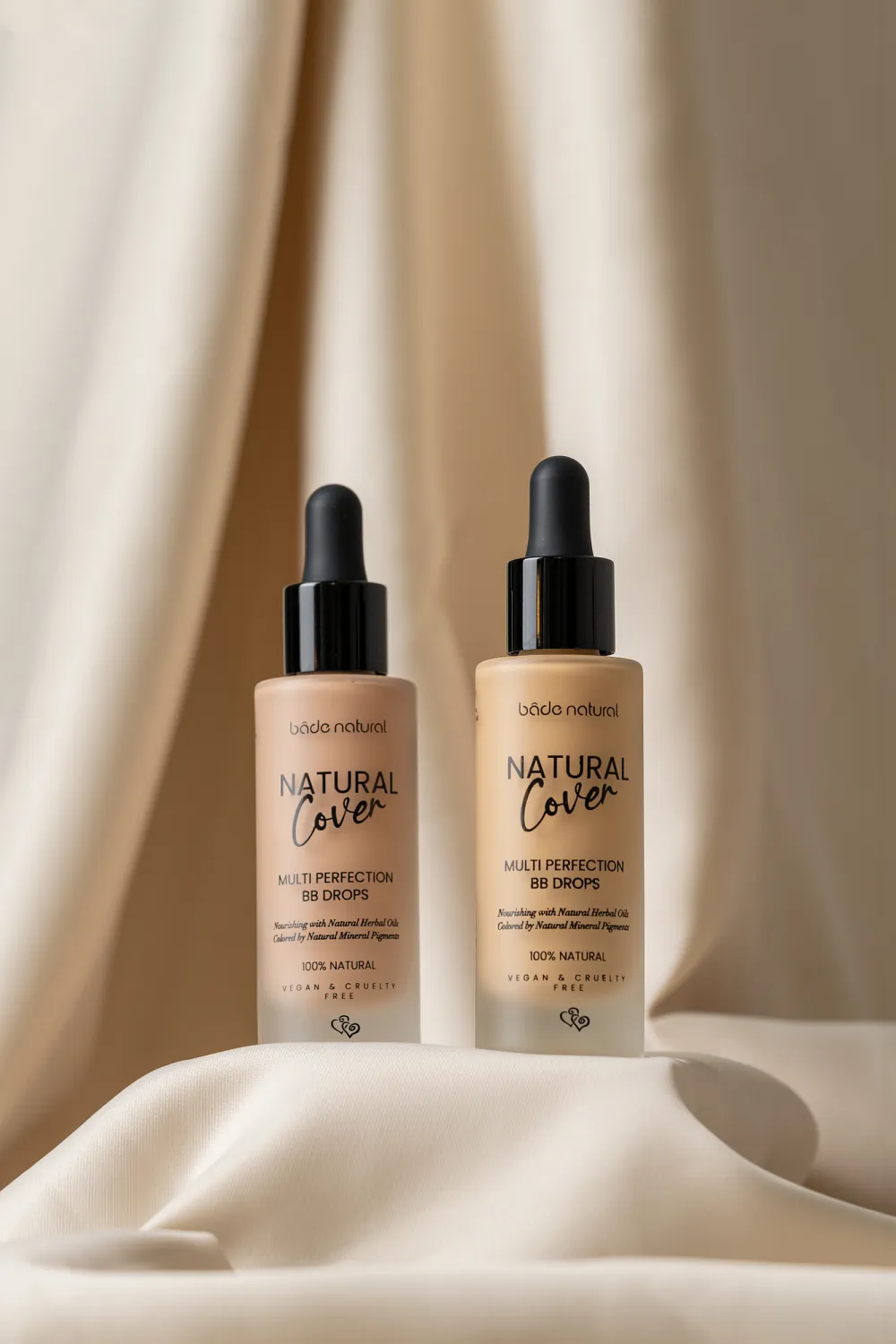
6. Apply the Rules of Composition That Generate Sales
Bringing all the elements together in an aesthetic and balanced way in product photos with props requires a professional eye.
- The Rule of Three: Instead of always placing the subject in the center, positioning it at the intersections of the imaginary lines that divide the frame into nine parts can create a more dynamic look.
- Negative space: Leaving intentional space around the product allows the photo to "breathe" and draws the viewer's eye to the product.
- Sense of depth: By placing accessories not only next to the product but also in the foreground or background, you can create a three-dimensional scene.
- Guideline lines: Props should be placed in such a way as to draw the viewer’s attention to the main product.
Frequently Asked Questions About Decorated Shoots
Which is more important: a staged photo shoot or a photo shoot against a white background?
What determines the prices of decorated product shots?
Do you provide the props needed for the shoot?
My products are in Turkey—how can we work together to enter the German market?
Styled Product Photos Are an Investment
Going beyond standard white-background product shots to create product photos with custom decor tailored to your brand is an investment that will directly impact your brand perception and sales.
At LUX Production, with over 20 years of experience, we offer professional, sales-driven product photography services with set design in Istanbul and Berlin to tell brands’ stories.
To plan the styling, set design, and lighting setup in conjunction with the shoot decorated product photo shoot You can check out our services.