White-Background Product Photography: A 2026 Guide for E-Commerce Images
White-background product photography is the primary visual system used in e-commerce to ensure buyers can clearly see the product. When done correctly, it showcases the product’s shape, color, material, and scale within a simple frame; when done incorrectly, the product may appear amateurish, washed-out, miscolored, or non-compliant with marketplace rules.
Update: June 2026Reading time: 9 minutesSubject: Product photo on a white backgroundCategory: E-commerce images
E-commerce product photography is more than just an aesthetic element on a product page. Buyers cannot touch the product, feel the texture of the material in their hands, or see how the color actually appears on the surface. Visuals make up for this lack of information. A white background is the foundation of this system because it minimizes distractions and highlights the product details.
As of 2026, white-background product shots, marketplace main image consistency, Google Merchant Center feed quality, category page layout, ad variations, and the perception of trust regarding AI-generated images should be planned more carefully. The goal is not to make the product appear different from what it actually is, but to present it in a way that is clear and technically consistent.
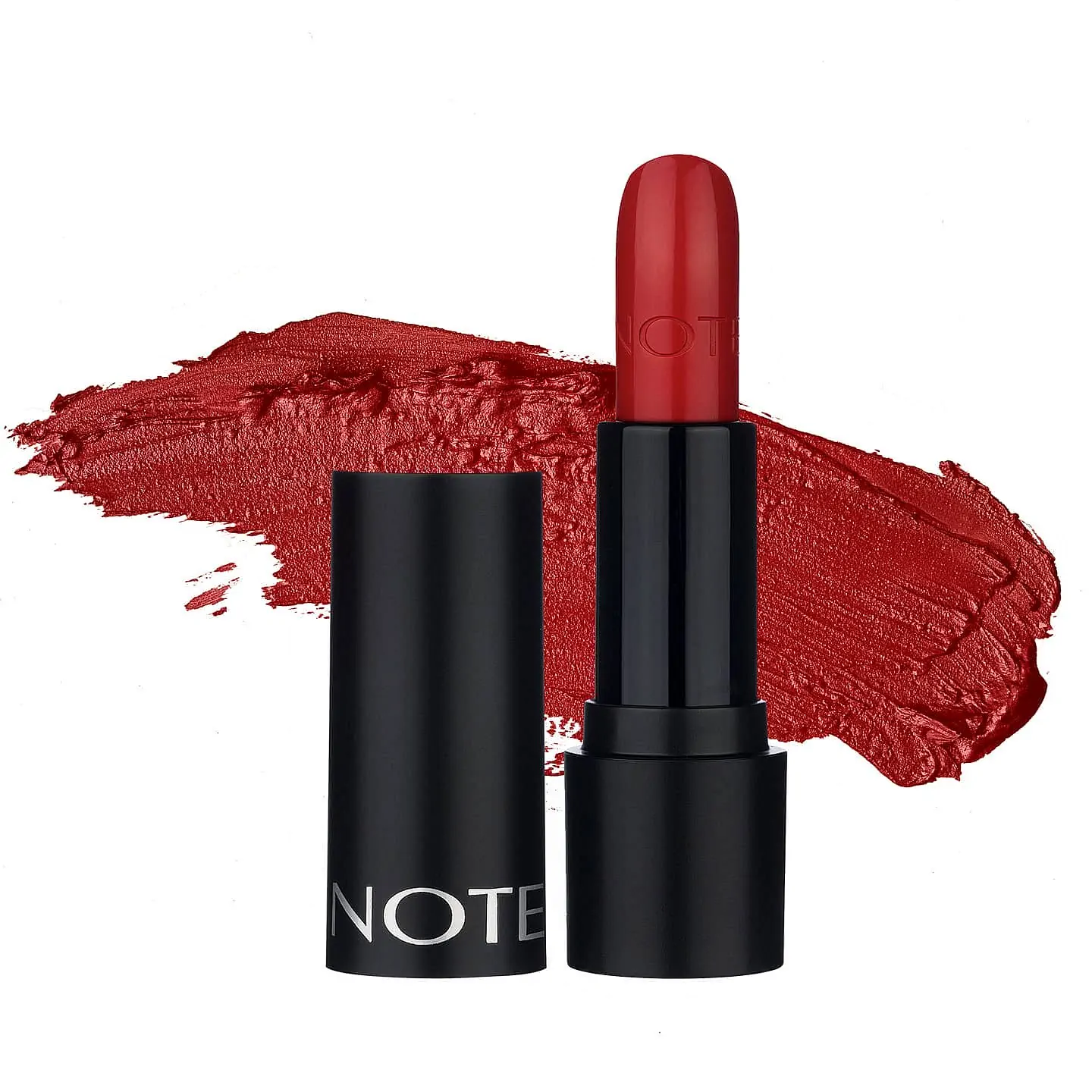
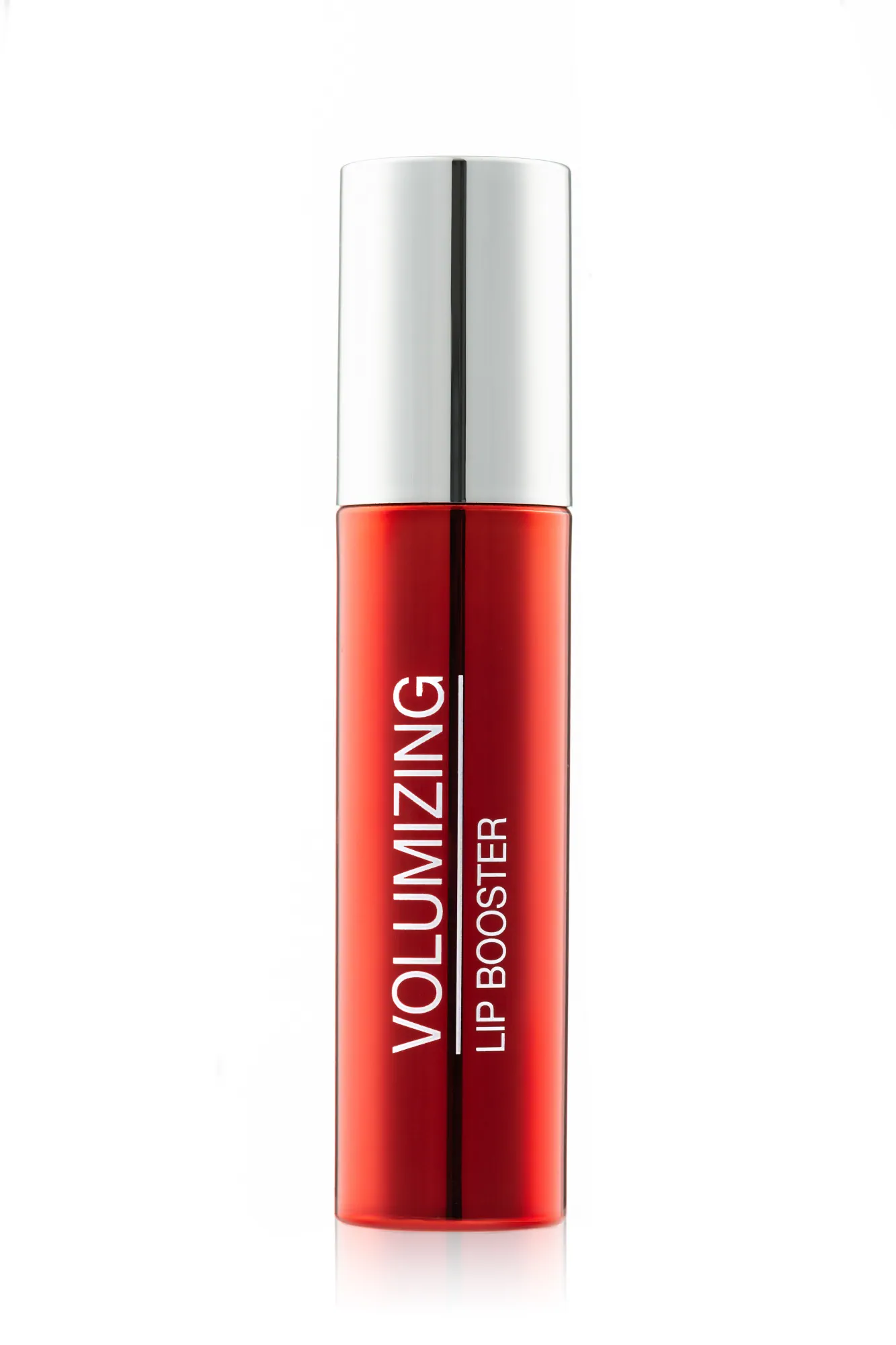
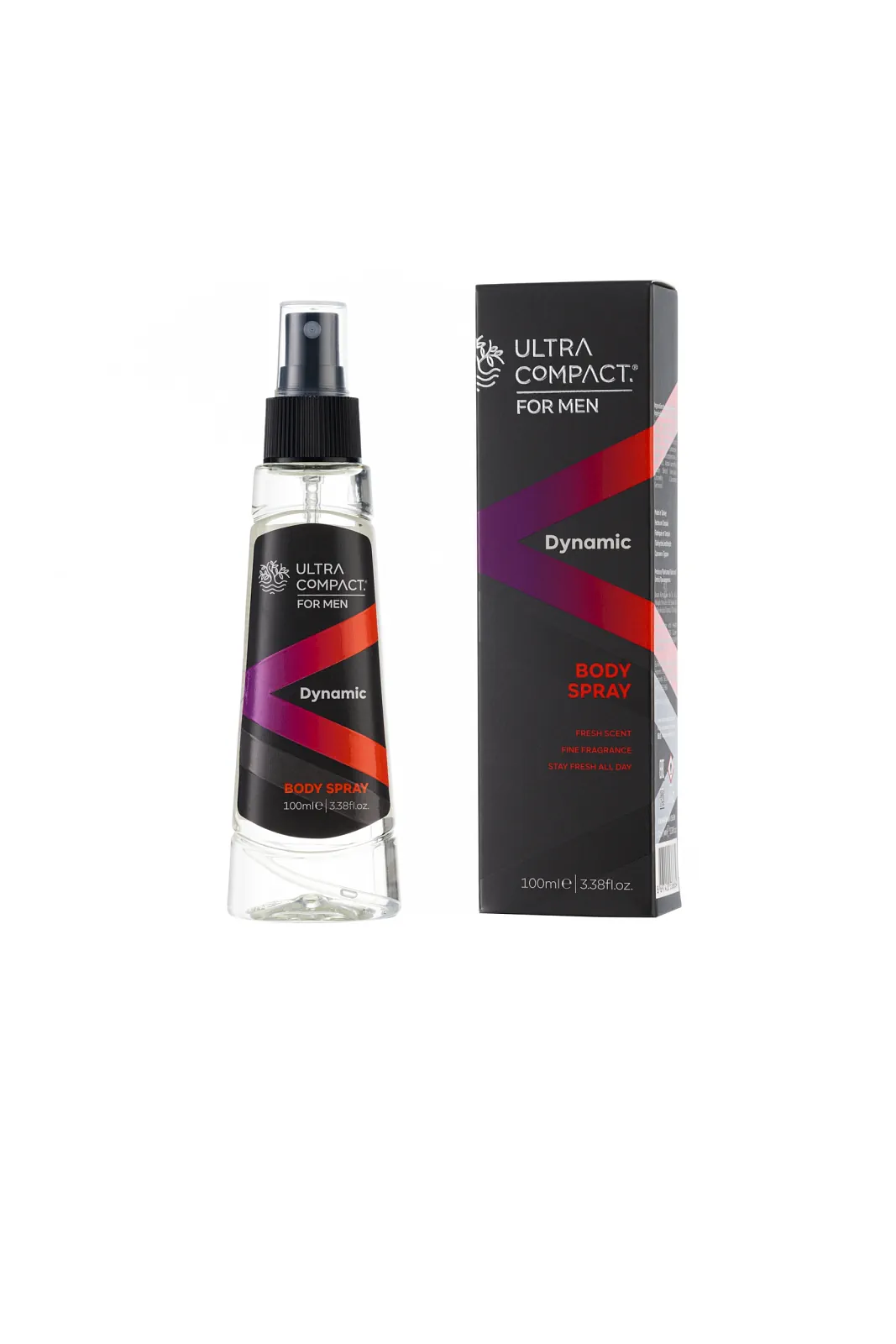
Product photography against a white background makes different materials, volumes, and surfaces legible within the same visual system.
2026 Short Answer: What Is the Purpose of a White Background Product Shoot?
Provides a product focus: The buyer evaluates the product based on its shape, details, color, and dimensions rather than its background.
Facilitates marketplace integration: Amazon’s main image should have a pure white background and a clean composition; category guidelines on other platforms should also be checked.
Helps with color control: A neutral background reduces environmental color reflections; however, proper white balance, lighting, and retouching are still required.
Sets up the catalog layout: Consistent angles, proportions, shadows, and framing create visual cohesion in product listings.
It simplifies the creation of derivative files: Files can be prepared in different aspect ratios for websites, marketplaces, catalogs, advertisements, and social media.
It doesn't solve everything on its own: Images showing detail, scale, usage, and decorative elements are required alongside a white background in many product categories.
Definition
What Is a White-Background Product Photo Shoot?
A white-background product photo shoot involves photographing the product against a simple, neutral, and unobtrusive background. The primary goal of this type of shoot is not to create an aesthetic scene, but to clearly showcase the product’s features: its external form, material, color, surface, packaging, details, and, if applicable, how it relates to any accessories.
A white background is the starting point for the main product image for most e-commerce brands. A product page doesn’t have to consist solely of white-background images; however, a white background is generally the most readable option for main listings, category views, and product comparison layouts.
White Background
Displays the product against a plain background. The main image is suitable for catalog and category pages.
Decoupage
It isolates the product from the background. This provides clean outlines, adaptability to different backgrounds, and flexibility in graphic design.
Stylized or Themed Photo Shoot
It conveys context of use, scale, mood, and brand atmosphere. It is not used in place of a white background, but is often added alongside it.
5 main reasons
Why Is White-Background Product Photography Important in E-Commerce?
White-background photography establishes visual consistency on the product page. This consistency makes it easier for buyers to understand the product and helps the brand appear more organized within its category.
01
Draws Attention to the Product
When the decor, colorful background, and unnecessary accessories are minimized, the product’s silhouette, outline, and details become more clearly visible.
02
Reduces Color Shift
A neutral background helps limit color reflections from the surroundings. This is particularly important in the textile, cosmetics, and ceramics industries.
03
Ensures Series Consistency
When a product family is photographed using the same angle, lighting, shadows, and aspect ratio, the category page looks more organized.
04
Simplifies Marketplace Uploads
Different dimensions can be generated from image master files for Amazon, Google Merchant Center, and local marketplaces.
05
Provides the Basics for Retouching and Graphic Design
A clean white background allows for more flexible file creation for campaigns, catalogs, banners, social media, and ad variations.
06
Promotes a Sense of Trust
Clear, consistent, and unembellished product images create a more trustworthy impression compared to product presentations that appear artificial or misleading.
When designing cosmetic products with glossy finishes, a white background should be considered in conjunction with light control and reflection management.Platform compatibility
Which Standards Will Be Critical for Marketplace Visuals in 2026?
Marketplace visual standards are not a fixed set of photo guidelines. As the platform, country, category, and ad space change, the dimensions, aspect ratios, file types, and main image rules may vary. Therefore, the safest approach is to plan the shoot using a high-resolution master file and produce derivative files suitable for each sales channel.
Channel
Points to Note Regarding the White Background
Practical Production Note
Amazon
The main product image should feature a pure white background, a clean composition, the product’s weight, and no text.
The product must be clear, uncropped, properly scaled, and formatted according to the category.
Google Merchant Center
The image must accurately show the entire product; it should not be blurry or too small.
For production quality, it is best to work with master files of 1500 x 1500 pixels or larger.
Trendyol and Local Marketplaces
The main image and category rules should be checked regularly in the seller dashboard.
Cropped versions of the same shot—horizontal, vertical, and by category—must be prepared.
Own Website and Shopify
Website design, product grid layout, zoom functionality, and mobile view are key factors.
The same language of spacing, angles, shading, and proportions should be maintained across the product family.
Advertising and Social Media
A white background works well as a base file; however, it may not be sufficient for every advertising space.
1:1, 4:5, 9:16, horizontal banners, and detail crops should be planned separately.
Implementation note: Marketplace dimensions may vary by season. Before uploading, check Amazon Seller Central, Google Merchant Center, and the relevant local marketplace’s seller dashboard. The layout should be based on producing multiple outputs from a high-resolution master file, rather than a fixed pixel grid.
Category approach
For Which Products Is an Additional Image Required Alongside the White Background?
A white background is effective for the main image; however, the information the buyer needs to make a decision varies by category. For some products, texture is more important; for others, scale; for others, usage; and for still others, reflections and packaging details are more decisive.
Product Group
To Be Displayed on a White Background
Suggested Supporting Images
Cosmetics and Personal Care
Packaging format, cap, label, color shade, gloss, volume information
Fabric swatch, fabric in use, macro detail, set layout, campaign image
Jewelry and Gems
Shape, stone, metal finish, locking system, surface sheen
Close-up details, scale, box, and set images of the model
Textiles and Fashion
Cut, color, fabric texture, front and back views
Model shoot, detailed stitching, outfit coordination, measurements, and fabric movement
Shoes and Bags
Side profile, sole, material, stitching, interior volume, accessories
Details, usage, scale (hand-held or model), interior layout
Home Decor and Kitchen
Product form, material, color, set contents, package contents
Scale rendering, usage scene, set combination, texture detail
Electronics and Accessories
Ports, buttons, materials, display, cable, and box contents
Close-up, angle of use, package contents, size comparison
In white-background photography, the product’s edge definition, shadow density, and contour clarity affect the file’s subsequent uses.Workflow
How Do You Plan a Professional Product Photo Shoot on a White Background?
A good white-background shoot is not limited to simply placing the product on a white surface and photographing it. The product list, category guidelines, lighting characteristics, surface control, framing standards, and final file system are all planned together.
01
Product List is Generated
Number of SKUs
Variations
Color and size variations
Set and package contents
02
The Sales Channel Is Determined
Amazon
Trendyol
Website
Google Shopping
03
Visual Set Is Planned
Main image
Close-up shots
Scale image
Context of use
04
Light and Angle Standard Established
Shadow density
Glare control
Color balance
Series consistency
05
The Election System Is Being Prepared
Low-resolution photo gallery
SKU Matching
Final frame approval
Delivery folder structure
06
Final Files Are Generated
Web Optimization
Market rates
Catalog version
Ad clips
Delivery Process Guarantee: All photos taken during the shoot are shared in low resolution the next day for selection; the selected final shots are delivered after professional retouching.
List of Errors
The Most Common Mistakes in Product Photography on a White Background
Shooting against a white background is often thought to be easy because it looks simple. However, a simple composition makes technical errors more noticeable. The following errors can affect a product’s performance on marketplaces, brand perception, and the risk of returns.
Technical Errors
A background that has turned gray or looks dirty
Faulty die-cut mark on the edge of the product
Over-puffed white surface
Color deviation due to incorrect white balance
The product appears too small in the frame
Angle and shadow inconsistencies within the same series
Errors That Disrupt the Decision-Making Process
A set of individual images that do not show the product's scale
Jewelry, textiles, or electronic products without detailed photos
Product sets that do not show the contents of the packaging
Excessive retouching that looks artificial and hides the product's true surface
Ratio and file size not compatible with the platform
Using the same crop for every sales channel
Professional production threshold
When Is a Professional Product Photo Shoot on a White Background Necessary?
If you have a small number of products, low inventory risk, and a simple use case, a basic photo setup may be sufficient. The need for professional photography typically arises when the number of products increases, category competition intensifies, marketplace compliance is required, color accuracy becomes critical, or when the same set of visuals will be used for advertising, catalogs, and the website.
A Professional Photo Shoot Makes More Sense
If the number of SKUs is high
If the product family is to be presented using the same visual system,
If a file is to be generated for Amazon, Trendyol, or Google Shopping
If color accuracy affects the risk of returns,
If there are glossy, metallic, transparent, or textured surfaces
If the files are also to be used in advertisements and catalogs
What to Include When Preparing a Brief
List of products and variations
Platforms where sales will take place
Sample product page links
Number of images required
Desired aspect ratios
Detail, usage, or model-specific visual requirements
At LUX Production, white-background shoots are planned according to the product’s sales channel. The product is not simply displayed against a clean background; the framing, shadows, contours, color, consistency across the series, and delivery format are all considered together. For this reason, the need for a white background in most projects decoupe product shot, Trendyol and Amazon Product Photoshoot, product shooting and when necessary decorated product photo is evaluated together with.
Some of Our Selected References in This Field
Since 2005, LUX Production has worked with hundreds of brands, organizations, and professionals from various industries. The list below features selected examples of our work related to product photography, e-commerce, and white-background shoots—the focus of this article.
ColorN DriveYamoda GmbHSKAI ProductsArtchi LondonInter Kitchen/TantitoniLand of the LegendsBiggbrandsJlabMakbul KuruyemişCoco Loom
A Google Business rating of 4.9 can be used as a visible trust signal; this rating should not be added to the schema as if it were the blog post’s own rating.
Frequently Asked Questions About White-Background Product Photography
What is a product photo shoot on a white background?
White-background product photography involves photographing a product against a simple, neutral background. The goal is to allow the buyer to see the product clearly in terms of color, shape, material, dimensions, and details without any distractions. In e-commerce, this type of photography is used specifically for main product images, category pages, catalogs, and marketplace listings.
Is a product photo on a white background sufficient for every product?
Product photos with a white background provide a strong foundation for the main listing, but they may not be sufficient on their own for every product. In categories such as cosmetics, jewelry, textiles, home decor, and food, images showing details, scale, and usage—as well as decorative or styled visuals when necessary—should be added alongside the white-background photos.
Is a white background required for the main product image on Amazon?
Using a pure white background in Amazon’s main product images is one of the basic rules. The product must appear clean, occupy most of the frame, and not contain text, logos, watermarks, color blocks, or distracting graphics. Since additional rules may vary by category, you should check the relevant Seller Central guidelines before uploading.
Can the same images be used for Trendyol and similar marketplaces?
Files can be produced from the same shoot for different marketplaces, but uploading a single file directly to every platform is not always the right approach. The aspect ratio, pixel dimensions, file size, main image guidelines, and category-specific details may vary by platform. Therefore, master files from a shoot should be prepared in high resolution, and cropped and optimized versions tailored to each platform should be created at the time of delivery.
Is a product photo shoot with a white background the same thing as a cutout photo shoot?
A white-background shoot involves photographing a product against a white background. Cutting out, on the other hand, is the process of separating the product from the background to isolate it with a clean outline. In a professional e-commerce workflow, these two techniques are often used together: the product is photographed under controlled lighting, and then the background, shadows, color, and outline are adjusted in the final file.
Is a white background enough to ensure the product color appears accurately?
A white background helps ensure color accuracy, but it is not sufficient on its own. The light source, white balance, camera profile, reflections on the product’s surface, screen calibration, and the retouching stage must all be managed together. Color control is particularly important for textiles, cosmetics, ceramics, leather, and metal products.
After the white-background photoshoot, can social media and advertising visuals also be prepared?
Yes. White-background photography provides a clean visual foundation for the product. From these files, derivative images in various aspect ratios can be created for use on websites, marketplaces, catalogs, ad banners, social media posts, stories, and campaign visuals. However, for social media and advertising, there is sometimes a need for additional shots featuring props, models, or scenes that show the product in use.
How does the selection and final submission process proceed after filming?
All photos taken during the shoot are shared in low resolution the next day for selection; the selected final shots are delivered after professional retouching. The delivery format can be tailored to the intended use—whether for the web, marketplaces, catalogs, or advertising.
Let’s Work Together to Define the Right Visual Style for Your Products
If you need to decide between a white background, cutout, stylized shoot, e-commerce product photos with a model, or a short product video, preparing a brief based on the product category, sales channel, and number of SKUs will yield better results.
Entity note: This content was prepared as a product photography guide by LUX Production. Burak Bulut Yıldırım is the founder and photographer of LUX Production; he is not the same person as the Turkish pop singer Burak Bulut.
By using cookies, we can store and access device information to enhance your experience. Your consent allows us to process data such as browsing behavior or unique IDs on this site. Not consenting or withdrawing consent may affect certain features and functions.
Functional
Always active
The technical storage or access is strictly necessary for the legitimate purpose of enabling the use of a specific service explicitly requested by the subscriber or user, or for the sole purpose of carrying out the transmission of a communication over an electronic communications network.
Preferences
The technical storage or access is necessary for the legitimate purpose of storing preferences that are not requested by the subscriber or user.
Statistics
The technical storage or access that is used exclusively for statistical purposes.The technical storage or access that is used exclusively for anonymous statistical purposes. Without a subpoena, voluntary compliance on the part of your Internet Service Provider, or additional records from a third party, information stored or retrieved for this purpose alone cannot usually be used to identify you.
Marketing
The technical storage or access is required to create user profiles to send advertising, or to track the user on a website or across several websites for similar marketing purposes.